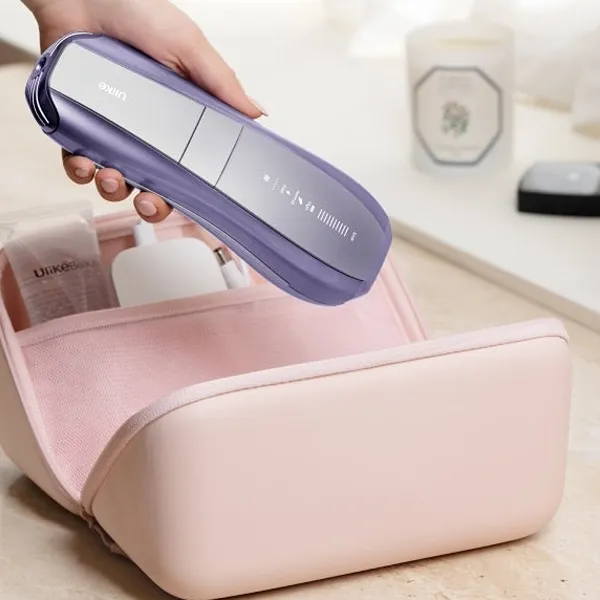
True permanent arm hair removal is possible, but not every method that sounds "permanent" actually removes hair for good. Electrolysis is the strongest option for permanent removal, while laser and Ulike IPL are better understood as long-term reduction methods that can make arm hair grow back slower, finer, and less visibly.

How well does laser work on arm hair?
Laser can work well on arm hair when there is enough contrast between the hair and the skin. It is especially useful if your arm hair is dark, visible in short sleeves, and spread over a large area. The realistic goal is usually strong reduction, not a promise that every follicle will be gone forever.
Laser targets pigment in the hair
Laser works by sending light energy toward pigment in the hair. The darker the hair, the easier it is for the laser to heat the follicle effectively. Very blonde, gray, white, or red arm hair usually responds less predictably because there may not be enough pigment for the laser to target.
Large areas can be treated efficiently
Arms are a practical area for laser because the device can cover many follicles at once. Compared with electrolysis, which treats hairs one by one, laser is usually much faster for full forearms or full arms.
This matters if your goal is smoother-looking arms for everyday life rather than removing every single strand. Someone who wants less noticeable arm hair through summer may find laser more practical than a long follicle-by-follicle plan.
Regrowth can become finer and sparser
After a course of treatments, the most common useful result is not "zero hair" but softer, thinner, patchier regrowth. That can still make a big difference if shaving leaves stubble, dark dots, or irritation.
- Best-case result: much less visible hair and slower regrowth.
- Moderate result: thinner hair that still needs occasional touch-ups.
- Weak result: little change, often because the hair is too light or too fine.
Maintenance may still be needed
Laser results can last a long time, but some follicles may recover or were simply not in the right growth stage during earlier sessions. Occasional maintenance is normal, especially if you want your arms to stay consistently smooth year-round.
Can Ulike IPL reduce arm hair?
Ulike IPL can reduce arm hair for users whose hair and skin are suitable for light-based treatment. It is best for people who want an at-home routine and are comfortable building results gradually. It should not be treated as the same thing as permanent removal.
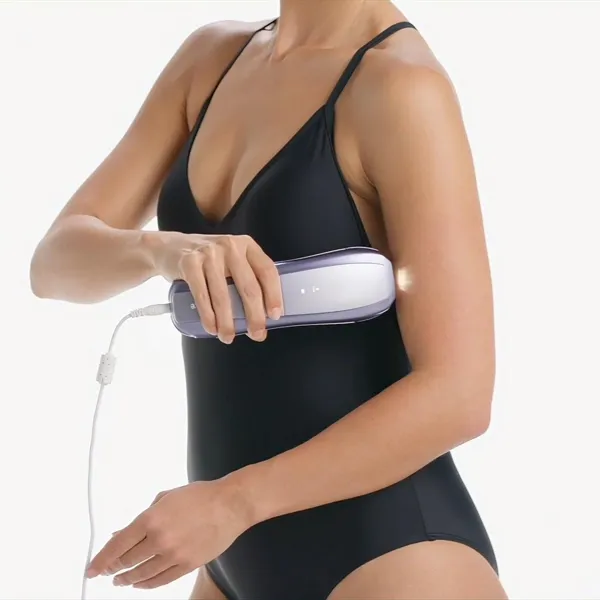
Ulike IPL targets pigment in arm hair
Ulike IPL uses light pulses that are absorbed by pigment in the hair. The aim is to weaken regrowth over time, so darker arm hair generally has a better chance of responding than very light hair.
Before using any at-home IPL device, check the brand's skin tone and hair color guidance and do a small patch test. The compatibility chart helps determine whether IPL is suitable for your hair and skin, while the patch test helps check how your skin reacts before treating a larger area.
Repeated treatments can reduce regrowth
IPL needs repetition because not all hairs are ready to respond on the same day. A few irregular sessions are unlikely to show the full effect.
- Shave first: light should target the follicle area, not long hair above the skin.
- Follow the device schedule: skipping sessions makes progress harder to judge.
- Track every few weeks: slower growth and patchiness are better signs than daily changes.
Remaining hair can become finer
Even when IPL does not remove every hair, the remaining hair may become softer and less obvious. That can be enough if your main frustration is dark arm hair showing in daylight or under office lighting.
This is where expectations matter. If you want perfectly bare arms with the strongest permanent claim, IPL is not the cleanest fit. If you want less shaving and softer regrowth at home, it can be a sensible option when your hair and skin are compatible.
Maintenance helps manage regrowth
Maintenance is part of successful IPL use for many people. Once the arms look the way you want, occasional touch-ups can help maintain the reduction and manage periodic regrowth.
Ulike IPL suits the person who prefers short home sessions over clinic appointments. It is less suited to someone who knows they will forget the routine after two weeks or wants the fastest possible reduction before a specific date.
Which arm hair removal method is best?
The best method depends on what you mean by "best": permanent removal, fast reduction, home convenience, or quick temporary smoothness. Start with your goal first, then choose the method that matches it.
| Goal | Best fit | What to expect |
|---|---|---|
| Permanent removal of treated hairs | Electrolysis | Slow but most suitable for true permanence |
| Large-area professional reduction | Laser | Faster coverage, especially for dark arm hair |
| At-home reduction | Ulike IPL | Gradual results with ongoing maintenance |
| Same-day smooth arms | Temporary methods | Immediate result, but hair grows back |
What affects arm hair removal results?
The biggest result drivers are hair color, hair thickness, skin tone, consistency, and growth cycles. If you check only one thing first, check whether your hair color and skin tone are suitable for the method you are considering. That single mismatch causes a lot of disappointment.
Hair color
Light-based treatments need pigment. Dark brown or black arm hair usually responds better to laser and IPL than blonde, gray, white, or red hair. If your arm hair is pale, electrolysis is usually the more logical permanent option.
Hair thickness
Coarser hair often shows clearer reduction because it gives light-based devices more pigment and structure to target. Fine hair can still improve, but the change may look subtle, especially if the hair was already soft.
Skin tone
Skin tone affects both safety and results because laser and IPL need to distinguish hair pigment from skin pigment. Some professional laser systems can be adjusted for a wider range of skin tones, while at-home IPL devices usually have stricter compatibility limits.
If your skin tone sits near the edge of a device's recommended range, do not guess. Use the device chart, patch test carefully, and consider a professional consultation if you have any history of pigmentation changes or strong irritation.
Treatment consistency
Consistency often decides whether reduction looks meaningful. Laser and IPL work across repeated sessions, so random use makes results patchy and hard to evaluate.
- For clinic laser: keep appointments close to the recommended spacing.
- For home IPL: set a reminder instead of relying on motivation.
- For electrolysis: expect a longer timeline, especially on full arms.
Hair growth cycles
Arm hair does not grow in one synchronized wave. Some follicles are active while others are resting, which is why several sessions are needed for laser, IPL, and electrolysis plans.
Patchy progress is not always a bad sign. If one area looks smoother before another, it may simply mean different follicles were caught at different times. Give the method enough consistent sessions before deciding it has failed.
Conclusion
If you want the most permanent route, choose electrolysis; if you want faster large-area reduction, laser is usually the stronger professional option; if you want a manageable home routine, Ulike IPL can be worthwhile when your hair and skin are suitable. The smartest choice is the one that matches your real goal: forever removal, less visible regrowth, or simply smooth arms when you need them.