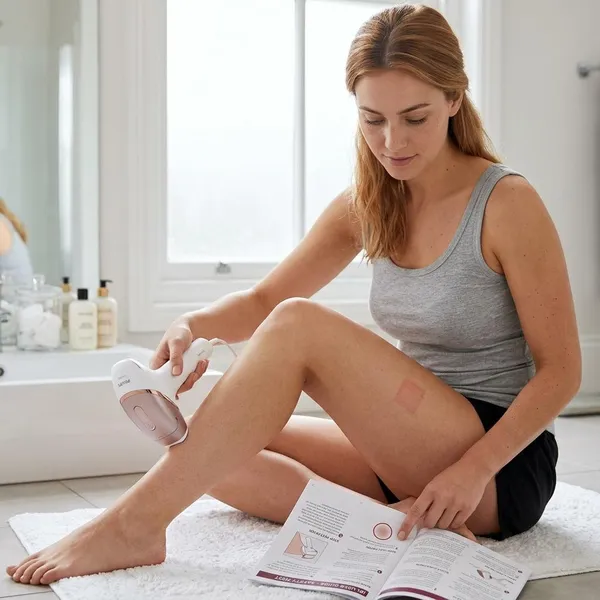
Most at-home IPL routines start with one treatment per week for about 8 to 12 weeks, then drop to maintenance every 4 to 8 weeks. The safest answer depends on your device manual first, then your skin comfort, hair type, and how quickly each area grows back.
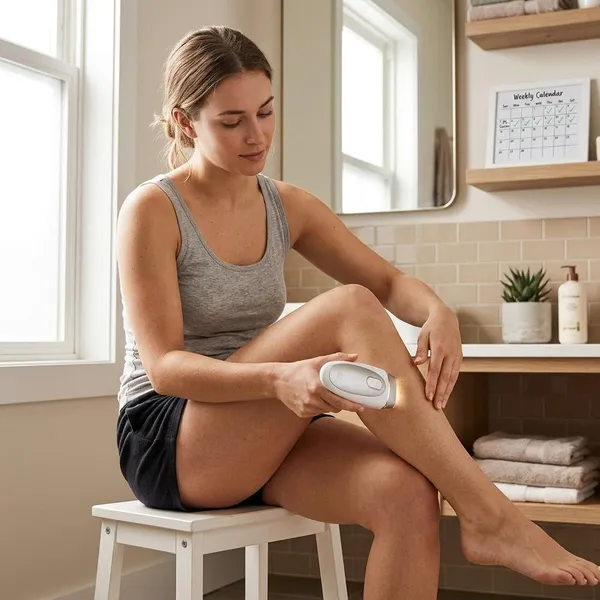
Why IPL Frequency Matters
IPL is not like shaving, where one pass gives an immediate visible result. It works gradually by targeting pigment in the hair and sending light energy toward the follicle, so timing matters more than doing as many sessions as possible.
The first thing to get right is spacing. Treat too rarely and progress can feel uneven; treat too often and you are more likely to irritate your skin than speed up hair reduction. A steady routine gives the device repeated chances to catch hairs at the right stage while giving the skin time to calm down.
IPL works best when treating hairs in the active growth phase
IPL is most effective when a hair is in its active growth phase, when it is still well connected to the follicle. That is why a single session cannot treat every hair equally, even if you cover the area carefully.
Multiple sessions are needed because hairs grow at different times
Hair grows in cycles, so the hairs you see after a session are not always "missed" hairs. Some were not in the ideal phase yet, and some may take time to shed after being treated.
- Early weeks: look for slower regrowth or softer hair, not perfect smoothness.
- Patchy areas: uneven thinning is common, especially on legs or larger zones.
- Repeated gaps: missing several sessions can make results slower, but it usually does not erase all progress.
A Typical IPL Treatment Schedule at Home
A home IPL plan usually has two parts: a starting phase to reduce visible regrowth, then a maintenance phase to keep it under control. The exact interval should come from your device instructions, because brands test their products on specific schedules.
| Phase | Common rhythm | What to watch |
|---|---|---|
| Starting phase | Usually once weekly for 8 to 12 weeks | Skin comfort, shedding, slower regrowth |
| Maintenance | Often every 4 to 8 weeks | How quickly visible hair returns |
| Extra caution needed | Use longer gaps if skin stays irritated | Redness, tenderness, heat, or stinging |
Weeks 1 to 8 or 12 during the starting phase
During the first 8 to 12 weeks, most people use IPL once a week. Some devices allow a different rhythm, including twice-weekly use, but only follow that if your specific manual clearly says it is allowed.
- Shave first: keep the root in place, but remove surface hair.
- Use clean, dry skin: skip oils, heavy lotions, deodorant, and self-tanner right before treatment unless your manual says otherwise.
- Cover the area methodically: avoid repeatedly flashing the same spot in one session.
- Note your reaction: record the date, area, intensity, and any irritation.
Switching to maintenance treatments after the initial period
After the starting phase, weekly treatments are usually no longer necessary. Many users move to touch-ups every 4 to 8 weeks, but the better question is whether the area actually needs it.
Adjusting frequency based on hair regrowth
Adjust the schedule only inside the limits of your device instructions. If hair is growing back finer, slower, or in scattered patches, your current routine is probably working even if the area is not fully smooth yet.
Do not increase frequency if your skin is still red, hot, sore, or unusually sensitive by the time the next session arrives. In that situation, the practical move is to reduce intensity, wait longer, or pause until the skin settles.
What Affects How Often You Should Use IPL?
The right frequency is not based only on the calendar. Your device, skin response, hair color, skin tone, and treatment area all change how cautious you need to be.
Device brand settings and manufacturer guidance
Your device manual should overrule general online advice. One brand may recommend weekly sessions, while another may use a longer interval because of its energy level, flash design, or built-in safety features.
Skin sensitivity and treatment comfort
Skin comfort is one of the clearest signals for spacing sessions. Mild temporary redness can happen, but lingering heat, stinging, tenderness, or irritation means the area needs more recovery time.
- Lower-risk situation: legs tolerate IPL well for many users, especially when skin is not recently tanned or irritated.
- More cautious situation: bikini line, underarms, or facial areas may need lower intensity or longer gaps.
- Skincare conflict: retinoids, exfoliating acids, acne treatments, or recent tanning can make skin more reactive.
Hair color skin tone and treatment response
IPL generally works best when there is a strong contrast between darker hair and lighter to medium skin, because the light has more pigment in the hair to target. Blonde, red, grey, or white hair often responds weakly because there is less pigment available.
Some deeper skin tones may also be unsuitable for certain home IPL devices because the light can interact with skin pigment. If your hair and skin combination is not an ideal match, using the device more often usually will not fix that limitation.
Different body areas and regrowth patterns
Frequency can feel different by body area, even when the official schedule stays the same. Underarms and bikini hair may look stubborn because the hair is dense and coarse, while legs can look patchy simply because the area is large and easy to assess unevenly.
For year-round use, it often makes sense to maintain each area based on visible regrowth rather than treating your whole body on the same automatic date. Just keep every area within the spacing rules for your device.
How to Use IPL Safely Between Sessions
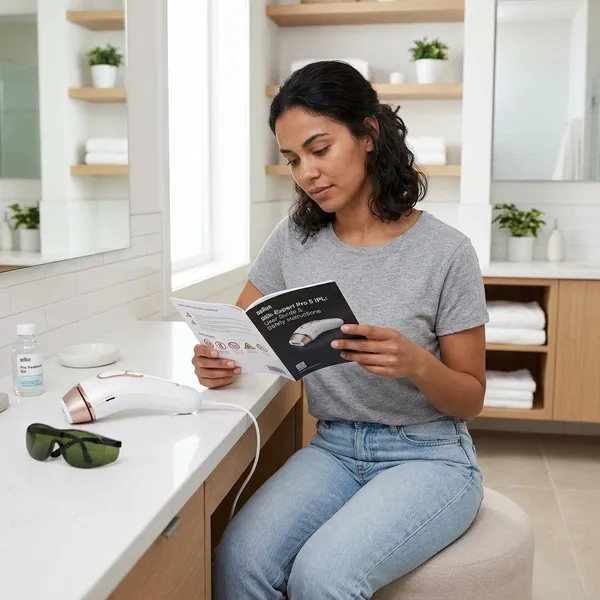
What you do between sessions affects both comfort and results. The main priorities are simple: shave instead of pulling hair from the root, avoid irritated or tanned skin, and track changes before altering the schedule.
Prepare skin before each treatment
Shave the area before treatment so the light can focus below the surface rather than heating longer hair above the skin. The skin should be clean and dry, with no self-tanner, heavy cream, oil, or deodorant unless your device instructions allow it.
Use a patch test when treating a new area or increasing intensity. If the skin is sunburned, broken, freshly tanned, or already irritated, wait until it has recovered before using IPL there.
Avoid waxing or plucking between sessions
Waxing and plucking remove the hair root that IPL needs to target, so they can weaken your results during a treatment course. Shaving is the better option between sessions because it removes visible hair while leaving the follicle in place.
Protect skin from irritation and sun exposure
Freshly treated skin can be more sensitive, especially on areas exposed to daylight such as the face, arms, and legs. Use sun protection, avoid tanning around treatment days, and be careful with strong exfoliants or active skincare close to a session.
Track progress before changing frequency
A quick note on your phone is enough: date, area, intensity, and what regrowth looked like before the next session. Photos can also help if you are treating larger areas where small changes are hard to judge.
What If You Miss an IPL Session or Results Are Slow?
Missing one IPL session is usually not a disaster. What matters more is avoiding the "catch-up" mistake: stacking sessions close together, jumping to a higher intensity, or treating irritated skin because the calendar slipped.
Slow progress can also be normal. IPL often shows up first as slower regrowth or softer hair, not instant bare skin.
How to restart after missing treatments
If you miss one session, continue with the next safe interval rather than doubling up. If you miss several weeks during the starting phase, check whether your device suggests extending or restarting the early schedule.
Why slow progress can still be normal
Slow results do not always mean the device is failing. Hormonal areas, facial hair below the cheekbones, finer hair, and large areas such as legs may take longer to show obvious change.
- Normal early signs: slower regrowth, softer hair, fewer dense patches.
- Less promising sign: no change after the full starting phase despite suitable dark hair.
- Wrong solution: treating more often than allowed to force faster results.
When to check device instructions or seek advice
Check the manual before changing frequency, treating a new area, or using IPL around medications, moles, skin conditions, recent tanning, or very sensitive skin. Seek professional advice if you have ongoing pain, burns, unusual darkening or light patches, or almost no reduction after completing the recommended course with a suitable hair and skin match.
Conclusion
The best routine is usually simple: follow your device's starting schedule, watch how your skin reacts, then move to maintenance only as regrowth returns. IPL rewards consistency more than intensity, so the safest plan is the one you can repeat without irritation, rushed catch-up sessions, or guessing beyond the manual.