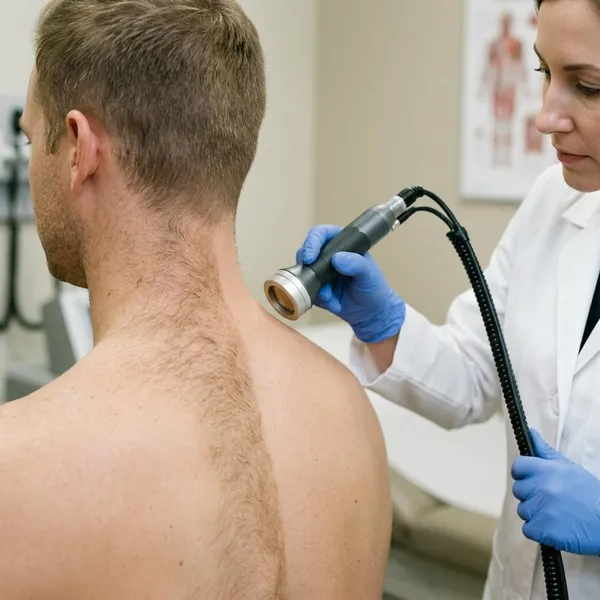
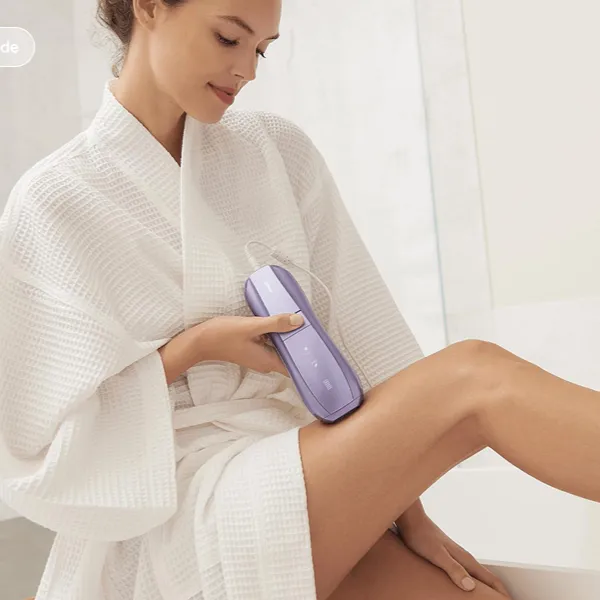
If you want to know how to use ipl hair removal device safely at home, start with the basics: shave first, use it on clean dry skin, choose a level your skin can tolerate, and follow the schedule for your exact device. IPL is not something to rush or "boost" by using the highest setting every time. The best results usually come from steady, even treatments with fewer mistakes, not from making each session as intense as possible.
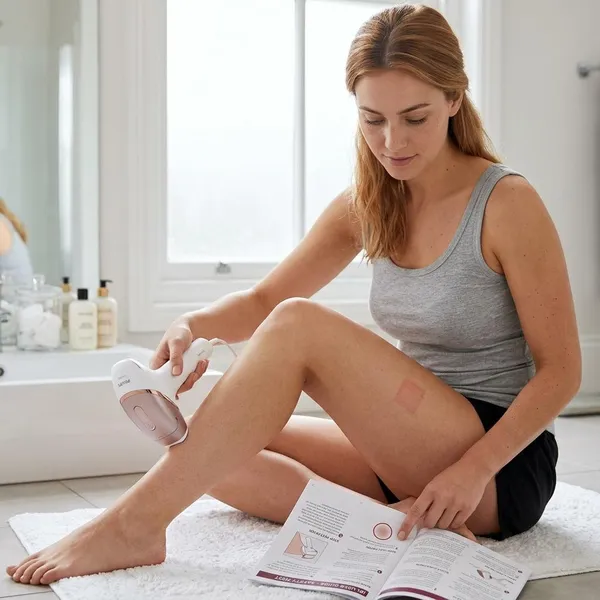
How to use IPL step by step
The safest routine is simple: prepare the skin, treat in a controlled pattern, then let the skin calm down afterward. Before the first full session, check three things first: your skin tone and hair color are suitable for the device, the body area is approved, and you have done a small patch test if the manual recommends it.
Shave the treatment area
Shave the area before using IPL because the light needs to target the hair root under the skin, not a long hair sitting on the surface. Waxing, plucking, and epilating remove the root, so they are usually poor choices during an IPL routine unless your device instructions say otherwise.
Clean and dry your skin
Use IPL on bare, dry skin. Wash off deodorant, body lotion, sunscreen, perfume, makeup, tanning products, and oils before treatment, especially on underarms, face, and bikini edges. If the skin feels sticky or damp, wait a few minutes and dry it again.
Choose a suitable intensity
Pick the highest setting that feels comfortable and is allowed for your skin tone by your device. A mild warm snap can be normal; sharp pain, a burning feeling, or discomfort that gets worse with each flash means the level is too high or the skin is not prepared properly.
Do not assume one setting fits your whole body. Legs may tolerate a stronger level than the bikini line or upper lip. A practical rule is to treat sensitive areas like a first session every time you increase the level: go slowly, watch the skin, and stop if the sensation feels wrong.
Keep the window flat on the skin
Place the treatment window flat against the skin so the device can make full contact. If it will not flash, the first thing to check is usually your angle, not the power button. Curved spots such as knees, ankles, underarms, and bikini edges often need small position changes before the window sits flush.
Flash the area evenly
Work in rows or small sections instead of flashing randomly. On a lower leg, for example, you might move from ankle to knee in narrow strips; on an underarm, it may be easier to treat one small patch at a time. The goal is to avoid both missed gaps and repeated flashes on the exact same spot.
- Large area: use glide mode if your device has it and you can keep steady contact.
- Small area: use stamp mode so each flash is placed deliberately.
- Hard-to-track area: slow down and use your hand to gently stretch the skin if that helps contact.
Soothe the skin afterward
After treatment, keep aftercare boring on purpose. A plain fragrance-free moisturizer or aloe gel is usually enough if the skin feels warm or slightly pink. For the next day or so, avoid hot baths, saunas, harsh exfoliants, retinoids, and tight rubbing clothing if the area feels sensitive.
Sun exposure deserves extra caution. If a treated area will be uncovered, protect it with clothing or broad-spectrum sunscreen. Recently tanned or sunburned skin is a higher-risk situation, so postpone IPL until your skin is back to normal and your manual says it is safe.
How to treat different body areas
Technique changes by body area. Large, flat areas are mostly about staying organized, while smaller or more sensitive areas need slower placement and often a lower setting. Treat only the zones your device approves, because home IPL models are not all cleared for the same facial, bikini, or sensitive areas.
Glide over legs and arms
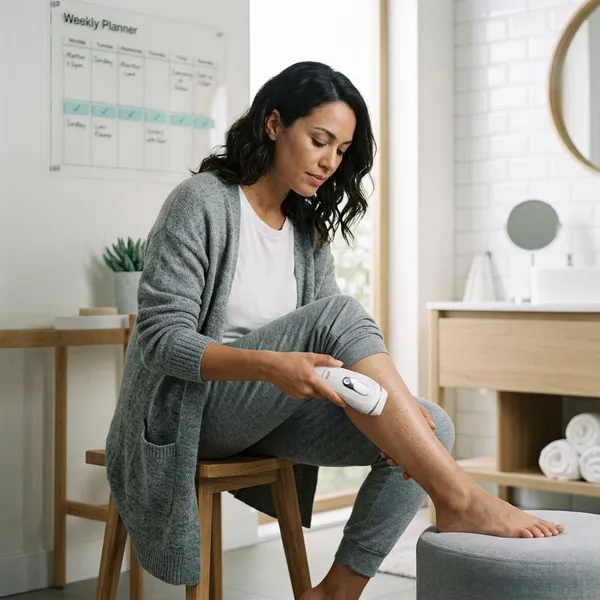
Legs and arms are usually the easiest place to build confidence because the skin is flatter and easier to map. If your device has glide mode, use slow, straight passes while keeping the window pressed evenly against the skin.
Stamp smaller areas
Use stamp mode for underarms, knees, fingers, toes, and other areas where the device does not slide smoothly. Place, flash, lift, move slightly, and repeat. This is slower than gliding, but it gives better control on curves and edges.
Take extra care around the bikini line
The bikini line can often be treated if your device allows it, but it is not a place to test your pain tolerance. Hair there is often coarser, and the skin can be more reactive, so start lower than you would on your legs.
Only treat external skin approved by the manufacturer. Do not use IPL on internal genital areas or mucous membranes. If you are doing a tidy-up around swimsuit edges, careful stamping is usually safer than trying to glide quickly through a sensitive zone.
Treat only approved facial areas
Facial use depends heavily on the device. Some home IPL devices allow treatment below the cheekbones, such as the upper lip, chin, or jawline, while the eye area is generally off-limits. Use any facial attachment or eye-safety instructions exactly as described by the manufacturer.
Be more conservative on the face than on the body. Avoid active irritation, inflamed acne, dark marks your manual warns against, and recently tanned skin. A mild reaction on the leg may be easy to ignore, but facial redness or pigmentation is much harder to hide.
How often should you use IPL?
Use IPL on the schedule given for your specific device, not on a random routine from someone else's results. Many home devices start with regular weekly or biweekly sessions and then move to maintenance, but the exact timing can vary by brand, energy level, and body area.
The important point is that more frequent use does not automatically mean faster hair reduction. IPL works across hair growth cycles, so consistency at the right interval is usually more useful than squeezing in extra sessions.
Follow your device schedule
Your manual should be the main rule for timing. Devices differ in energy output, sensors, caps, and safety limits, so a schedule that suits one model may be too much or too little for another.
- New device: follow the starter schedule even if you have used IPL before.
- New body area: treat it like a fresh routine and start cautiously.
- App reminders: use them if you tend to forget sessions after the first few weeks.
Stay consistent during the initial phase
The initial phase is where most people need patience. You may first notice slower regrowth, finer hair, or patchy return before the area looks clearly reduced. That does not mean the device has failed; it often means the process is starting but not finished.
If you are using IPL for a summer trip, start early rather than trying to cram sessions into the last two weeks. For long-term reduction, pick a realistic day of the week and make it part of your routine. Consistency beats occasional aggressive sessions.
Space out maintenance treatments
Once the initial phase is complete and regrowth is lighter, maintenance sessions are usually spaced farther apart. Some people need regular touch-ups; others can wait longer between sessions. Hormonal changes, hair type, and missed early sessions can all affect how often you need maintenance.
Avoid treating more often than recommended
Do not treat the same area more often than your device allows. Extra flashes can irritate the skin without giving the follicle a better chance to respond. If results seem slow, improve the basics first: shave closely, cover the area more evenly, use a suitable level, and make sure your hair and skin combination is appropriate for IPL.
When should you stop or lower the setting?
Lower the setting or stop if the treatment feels sharply painful, leaves strong redness, causes swelling that does not settle, or creates any sign of skin damage. A brief warm snap is one thing; a burning sensation or a reaction that keeps worsening is not something to push through.
Strong pain during treatment
Strong pain means you should stop the session and troubleshoot before flashing again. Check whether the area was shaved closely, whether any product is still on the skin, whether the window is flat, and whether the level is too high for that body part.
If lowering the level does not help, do not keep testing the same patch. The area may be too sensitive, recently tanned, or outside the safe range for your device.
Persistent redness or swelling
Mild pinkness for a short time can be normal, but redness or swelling that stays strong, feels hot, or looks worse the next day is a reason to pause. Use gentle care only: cool compresses, plain moisturizer, and no harsh actives until the skin feels settled.
Blistering or skin damage
Blistering, crusting, scabbing, or a burn-like mark is not a normal IPL reaction. Stop using the device on that area, keep the skin protected, and avoid picking or scrubbing it. If the reaction is severe, painful, spreading, or not improving, seek medical advice.
Noticeable pigment changes
Visible darkening or lightening of the treated skin means you should pause IPL on that area and protect it from sun exposure. Pigment changes are more likely when skin is recently tanned, the setting is too high, or the device is used over concentrated pigment such as dark marks or unsuitable skin tones.
Before restarting, review the manual's skin tone, tanning, and body-area limits. If the color change does not improve or you are unsure what caused it, get professional advice rather than guessing with another session.
Conclusion
A good IPL routine is steady, cautious, and a little boring: prepare the skin properly, use a level you can repeat comfortably, treat in an organized pattern, and give results time to build. If your skin reacts badly or the area is not approved for your device, stopping is the smarter choice than trying to force progress.