If you are searching for how to remove unwanted hair permanently at home, the main thing to know is this: home methods can reduce hair for a long time, but they usually do not remove every follicle forever. IPL is the most realistic at-home option for slower, finer regrowth, while true permanent removal usually means professional electrolysis. Your first checks should be hair color, skin tone, treatment area, and whether you can stick with repeat sessions.

What can you actually achieve at home?
At home, the realistic goal is long-term hair reduction: less visible hair, slower regrowth, and fewer shaving days. That can still be a very worthwhile result if you are tired of daily stubble on your legs, underarms, arms, or bikini line.
| Home goal | Best fit | What to expect |
|---|---|---|
| Quick smooth skin today | Shaving or trimming | Fast result, but regrowth appears quickly |
| Less shaving over time | At-home IPL | Gradual reduction if your hair and skin are compatible |
| Closest to permanent removal | Professional electrolysis | More precise, slower, and usually not a home solution |
For a summer-only routine, IPL can be useful if you start early enough and follow the schedule before you expect smooth results. For year-round reduction, it works better as a habit: a starting phase, then touch-ups when regrowth starts to show again.
True permanent removal usually needs electrolysis
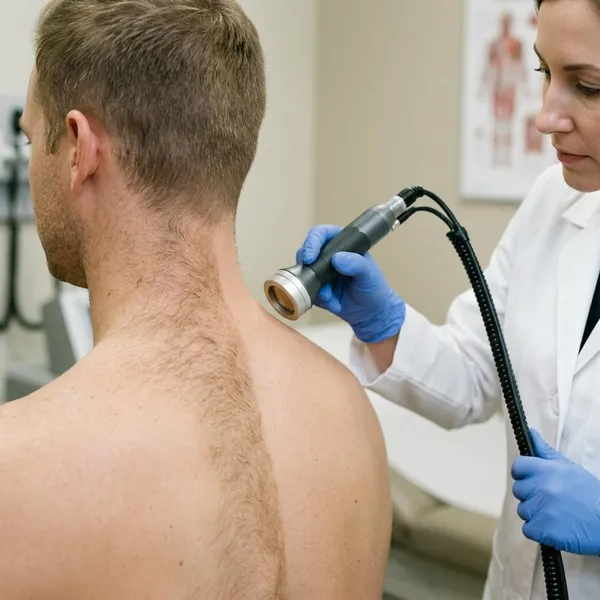
For true permanent hair removal, electrolysis is usually the method people mean. It treats individual follicles with electrical energy and does not depend on dark pigment in the same way IPL does, which is why it may be used on hair colors that IPL often misses, such as gray, white, red, or very light blonde hair.
The trade-off is time and skill. Electrolysis is commonly done by a trained professional because each follicle has to be treated carefully, and poor technique can irritate or mark the skin. It makes the most sense for small, stubborn areas such as facial hairs or scattered hairs left behind after other methods, not for someone hoping to clear both legs at home in a weekend.
IPL can provide long-term hair reduction
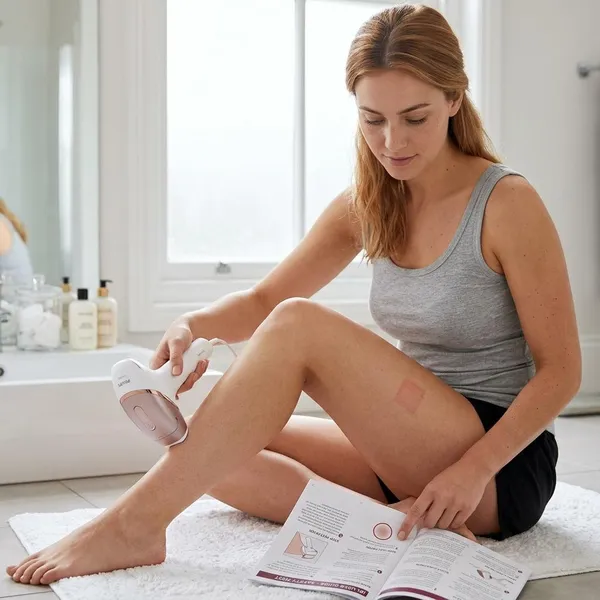
IPL is the more practical home route if your goal is "less hair to deal with," not "zero hair forever." It sends light into the skin, where darker hair absorbs the energy and the follicle may become weaker over time.
This is why dark coarse hair on lighter skin often responds better than very light hair or low-contrast combinations. If your hair is blonde, red, gray, or white, IPL may give weak results because there is not enough pigment for the light to target. If your skin tone is deeper, safety becomes more important because the surrounding skin may absorb more light, so the device's skin tone chart and warnings matter.
How to get better results with IPL
Better IPL results usually come from doing the boring basics well: shave first, choose a setting your skin tolerates, cover the area evenly, and keep going long enough for the hair cycle to matter. Before any of that, check whether your hair and skin are a suitable match for the device. If they are not, better technique will not fully fix the mismatch.
- Check compatibility first: compare your skin tone and hair color with the device guidance.
- Patch test before committing: try a small area and wait to see how your skin reacts.
- Track sessions: a simple calendar reminder prevents the "used it twice and forgot" problem.
- Stop if skin reacts badly: strong pain, blistering, or unusual irritation is not a sign of better results.
Shave before treatment
Shave the area before IPL, but do not wax or pluck right before a session. Shaving leaves the root in place, which gives the light something to target, while removing the hair above the skin helps avoid wasted heat and that burnt-hair smell.
If shaving makes your skin irritated, wait until the area feels calm before using IPL. For someone treating underarms after a close shave, that might mean doing IPL later the same day; for a more sensitive bikini-line area, waiting until the next day can be the more comfortable choice.
Use a suitable intensity
The right intensity is the highest comfortable setting that is still appropriate for your skin according to the device guidance. Too low may not do much; too high can make the session painful or increase the chance of irritation.
- New to IPL: start lower and build up after your skin responds well.
- Sensitive areas: treat comfort as a limit, not something to push through.
- Darker or easily reactive skin: be extra cautious and follow the device's allowed range.
Cover the area evenly
Uneven coverage is one of the easiest ways to end up with patchy regrowth. On legs, work in slow rows instead of random flashes. On underarms or the bikini line, use smaller sections so you can see where the treatment window has already been.
A little overlap may happen, but repeatedly flashing the same patch is not a shortcut to better results. It mainly increases the chance of irritation while missed areas continue growing normally.
Stay consistent with treatments
IPL does not catch every follicle in one session because hair grows in cycles. That is why a person who uses the device every week during the starting phase is much more likely to see a change than someone who uses it twice, forgets for a month, and then starts again.
Early progress can be subtle. You may notice hair taking longer to come back before you notice obvious bare patches. That slower regrowth is usually the first sign that the routine is worth continuing.
Continue maintenance when needed
Maintenance is what keeps IPL results from fading too quickly. Some people only need occasional touch-ups after the starting phase, while others need more regular sessions on hormone-sensitive areas such as the face or bikini line.
Think of it differently for temporary smoothness versus long-term reduction. If you only want smoother legs for a short holiday period, shaving plus a short IPL routine may not be enough time for major change. If you want less regrowth throughout the year, maintenance is the part that protects the result you built.
Where does Ulike fit in?
Ulike belongs in the at-home IPL category. That means it should be judged as a convenience-focused hair reduction device, not as a true permanent-removal method like electrolysis.
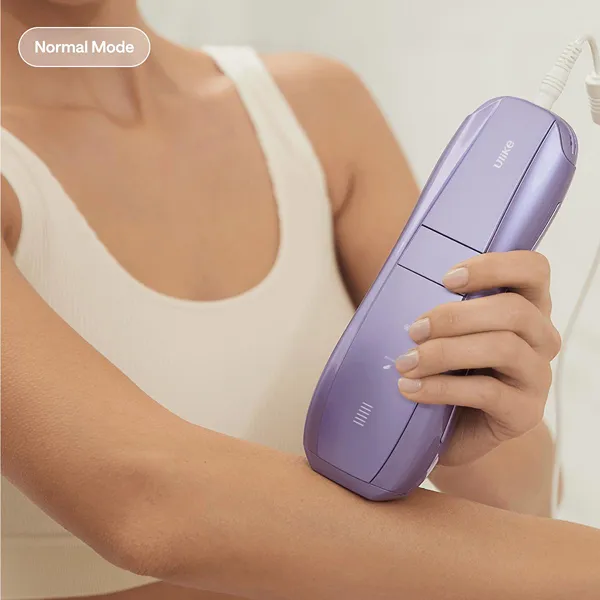
Ulike uses IPL for home hair reduction
Ulike uses IPL pulses to target pigment in the hair and gradually reduce regrowth when used repeatedly. Its practical appeal is that sessions can fit around normal life instead of requiring appointments, which matters if you are treating larger areas like legs or arms.
It reduces regrowth rather than removing hair permanently
Ulike should be viewed as a way to make hair easier to manage, not as a guarantee that hair will never return. A good result may look like finer regrowth, fewer visible hairs, and longer gaps between shaving.
If your goal is to clear a few stubborn hairs permanently, especially on the face, professional electrolysis is usually the more logical comparison. If your goal is reducing regular body-hair maintenance at home, IPL is the more relevant category.
Results depend on hair and skin compatibility
Compatibility matters more than brand preference. Darker hair usually gives IPL more pigment to target, while very light, red, gray, or white hair may respond poorly. Skin tone also matters for safety, so the device's chart is not a minor detail.
Regular use matters for lasting reduction
Regular use is the difference between testing Ulike and actually giving it a fair chance. IPL needs repeated sessions because follicles are not all in the same growth stage at once.
- Best-case routine: follow the starting schedule, then move to touch-ups when regrowth slows.
- Common mistake: stopping as soon as skin looks smoother and then being surprised when some hair returns.
- Realistic outcome: less maintenance, not a lifetime promise of no regrowth.
Conclusion
At home, the sensible target is not perfect permanent removal; it is making unwanted hair easier to live with. If your hair and skin are a good match and you can stay consistent, IPL can reduce regrowth enough to cut down shaving and keep skin smoother for longer. If you need true permanence, have very light hair, or are treating a small stubborn area, electrolysis is usually the more realistic route.