
If your main concern is skin that looks blotchy, sun-damaged, or constantly flushed, IPL can be a good middle-ground treatment: stronger than skincare alone, but usually with much less downtime than resurfacing procedures. The biggest IPL benefits are fading flat brown spots, calming visible redness, and making the overall tone look more even, as long as your skin type and specific concern are a safe match.
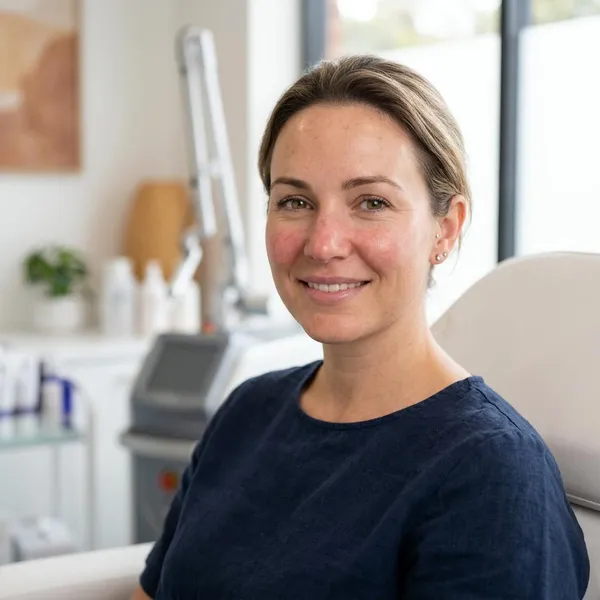
What are the main benefits of IPL?
IPL is most useful when the problem is color-based: brown pigment, red vessels, or a mix of both. It is less convincing as a "fix everything" treatment, so the first check is simple: are you trying to improve tone and discoloration, or are you mainly trying to treat deep wrinkles, sagging, or scars?
- Best fit: flat sun spots, freckles, facial redness, small vessels, and blotchy tone.
- Possible extra benefit: mild smoothing when early texture changes are linked to sun damage.
- Not the first choice: deep lines, significant laxity, raised spots, active irritation, or pigment that may be melasma.
Fades sun spots and freckles
Flat brown spots and freckles from sun exposure are among the clearest reasons people choose IPL. The treated spots often darken first, then gradually flake or fade, so it helps to avoid scheduling treatment right before a wedding, photoshoot, or beach trip.
IPL is better suited to superficial, well-defined pigment than to uncertain or changing marks. Any spot that is new, raised, irregular, bleeding, or changing should be checked medically before anyone tries to lighten it cosmetically.
Reduces redness and visible vessels
For background redness, tiny broken capillaries, or a nose-and-cheek area that always looks flushed, IPL can reduce some of the visible vascular color. It targets blood inside small vessels, which can make the skin look calmer over a series of treatments.
This is different from treating every cause of redness. If your redness comes with burning, active bumps, eczema-like irritation, or frequent flare-ups, IPL may still help one part of the problem, but it should not replace a proper diagnosis and trigger management.
Evens out skin tone
One practical benefit of IPL is that it can improve mixed discoloration rather than chasing one isolated mark. That matters for people whose skin looks tired because of several small issues at once: a little redness, some brown freckling, and uneven brightness.
Softens mild lines and texture
IPL can give mild texture improvement, but this is usually a supporting benefit, not the main reason to book it. Think of it as a good option for early photoaging with dullness and fine surface lines, not as a substitute for procedures designed for deep wrinkles or significant skin laxity.
Offers minimal downtime
Downtime is usually manageable: temporary warmth, pinkness, mild swelling, and darkened pigment spots are common short-term changes. Many people return to normal routines quickly, but "minimal downtime" does not mean invisible downtime.
If you work from home or do not mind a few days of speckled dark spots, IPL can be easy to fit in. If you need your skin to look predictable for an event, leave a buffer and ask your provider how your skin is likely to look during the first week.
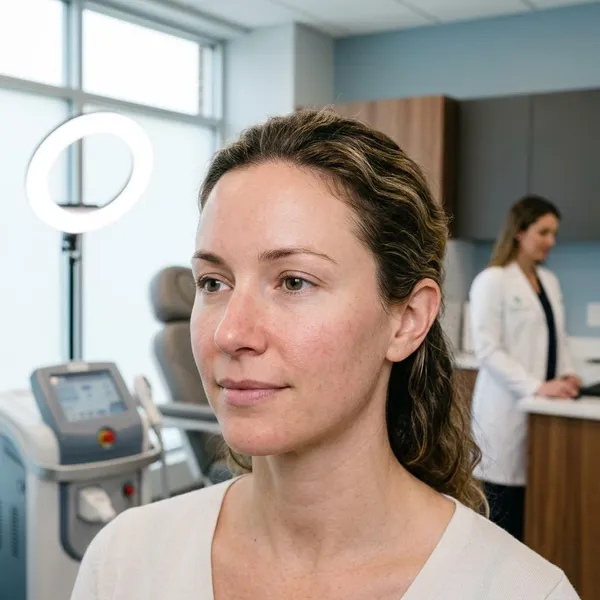
How does IPL improve the skin?
IPL uses pulses of broad-spectrum light that are filtered toward certain targets in the skin. In plain terms, it works best when there is something for the light to "see," such as excess brown pigment or red blood vessels near the surface.
The provider's judgment matters because the same feature that makes IPL useful also creates risk: the light can interact with normal skin pigment too. Recent tanning, deeper skin tones, certain medications, and the wrong diagnosis can all change whether IPL is sensible.
Targets melanin in brown spots
Melanin gives skin its color, but sun exposure can leave uneven clusters of pigment behind. IPL heats that excess pigment so the body can clear it more gradually.
A useful check before treatment is whether the spot is flat, stable, and clearly sun-related. If the pigment is patchy, hormonally triggered, or worsens easily with heat, a provider may steer you away from IPL or use a more cautious plan.
Targets hemoglobin in visible vessels
Redness improves when IPL energy is absorbed by hemoglobin inside small surface vessels. Those vessels can then shrink or fade, which is why IPL is often used for broken capillaries and persistent flushing.
- Good match: small visible vessels and diffuse redness on the cheeks or nose.
- More complicated: redness with active inflammation, stinging, or frequent flare-ups.
- Likely maintenance: redness-prone skin may need follow-up sessions later.
Uses heat below the skin surface
The heat from IPL does more than target color. It may also stimulate a mild collagen response below the surface, which can make the skin look a little smoother over time.
Leaves the skin surface intact
Unlike ablative resurfacing, IPL usually does not remove the outer skin layer. That is why recovery is often shorter and why many people can plan it around normal workdays.
The trade-off is that results build more gradually. A busy person who wants steady brightening with limited disruption may like that balance; someone wanting a dramatic one-time change may not.
Which skin concerns respond best to IPL?
The strongest candidates are usually people with lighter-to-medium skin tones, visible sun damage, redness, or blotchy tone who can avoid tanning before and after treatment. The weaker candidates are people with recent sun exposure, darker skin tones at higher pigment risk, melasma-prone pigment, or concerns that are not mainly color-based.
Sun spots and freckles
Sun spots and freckles tend to respond well when they are flat, brown, and caused by UV exposure. Someone with freckling across the cheeks from years of outdoor sports may see more obvious pigment clearing than someone with a deeper, patchy pigment pattern.
Sun protection is not an optional afterthought here. If you treat the spots but keep getting unprotected midday sun, the same pattern can return faster.
Facial redness and broken capillaries
Facial redness and tiny vessels can be a strong fit, especially when the main complaint is a constant flushed look. IPL may make the skin look less reactive, even though it does not remove the tendency to flush.
For year-round redness, plan with maintenance in mind. For a single visible vessel, your provider may also discuss whether a vascular laser would be more precise.
Uneven or blotchy skin tone
Blotchy tone is where IPL can feel especially worthwhile because it improves the overall "patchy" look rather than one tiny flaw. People often notice this most in everyday situations: less concealer on red areas, fewer brown marks showing through makeup, or a complexion that looks more even in natural light.
Mild fine lines and photoaging
Mild photoaging responds best when it appears together with sun spots, dullness, and rough texture. IPL can refresh that kind of skin, but it should be judged by realistic goals: brighter, clearer, a bit smoother, not lifted or dramatically resurfaced.

Conclusion
IPL is worth considering when your main skin concerns are brown spots, redness, and uneven tone, and you want visible improvement without a long recovery period. The smartest approach is to confirm that your pigment or redness is the type IPL treats well, avoid tanning around treatment, and choose a provider who is willing to say no if your skin tone or diagnosis makes another option safer.


