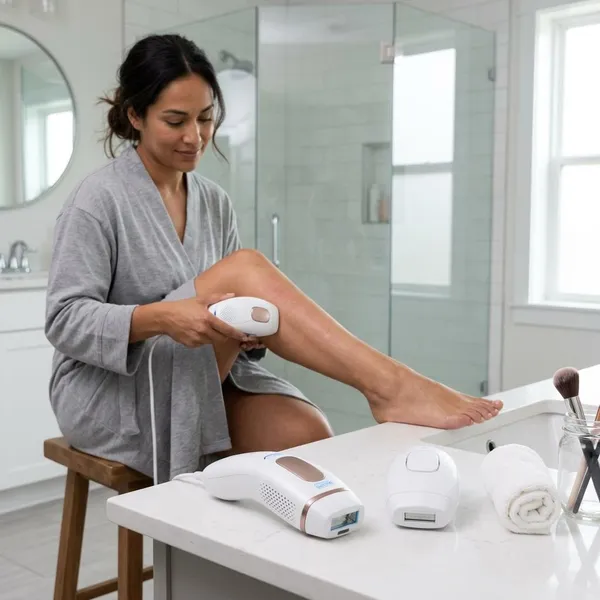
If you want the stronger, more predictable hair reduction, a professional diode laser is usually the better choice. IPL can still be useful, especially for lighter skin with dark hair and at-home maintenance, but it is less targeted and often needs more patience. The safer decision starts with three checks: your skin tone, your hair color and thickness, and whether you want clinic-level results or home convenience.

How do diode lasers and IPL differ?
The main difference is the type of light being used. A diode laser sends a focused wavelength into the hair follicle, while IPL uses a wider flash of filtered light. That one difference affects precision, comfort, skin suitability, and how quickly you are likely to see visible thinning.
| Decision point | Diode laser | IPL |
|---|---|---|
| Light source | Focused laser wavelength | Broad-spectrum pulsed light |
| Best typical use | Stronger clinic-based reduction | Gradual reduction or home upkeep |
| Biggest limitation | Needs proper settings and trained use | More dependent on ideal skin and hair contrast |
Targeted wavelengths versus broad-spectrum light
A diode laser is designed to send energy more directly toward melanin in the hair follicle. Many diode systems use wavelengths around the 800 nm range, though exact specifications vary by device. Because the energy is more concentrated, it is often better at heating the follicle without wasting as much light on the surrounding skin.
IPL, or intense pulsed light, uses multiple wavelengths at once. Filters narrow that light, but it is still not as selective as a true laser. This is why IPL tends to work best in the classic low-risk match: light skin with dark, coarse hair. If your skin is deeper, recently tanned, or prone to pigmentation marks, broad-spectrum light deserves more caution.
Device settings and cooling systems
The machine matters, not just the label. A professional diode laser may allow adjustment of energy level, pulse duration, spot size, and cooling, so the treatment can be adapted to the area and the person. Home IPL devices are usually lower powered for safety and often give the user fewer ways to fine-tune treatment.
How do hair removal results compare?
Diode laser treatments usually produce stronger hair reduction per session than IPL, especially in a professional setting. IPL can reduce growth too, but it is more likely to feel gradual: less shaving, softer regrowth, and slower return rather than a dramatic early change.
Hair reduction across sessions
Both methods need repeated sessions because only hairs in the active growth phase respond well at the time of treatment. With diode laser, many people notice patchier regrowth and finer hair after several appointments. With IPL, the same change may take longer, particularly if you are using a home device and treating a large area yourself.
Regrowth and maintenance
Neither method should be treated as guaranteed permanent removal. A more accurate expectation is long-term hair reduction, with some follicles disabled and others weakened. Hormones, body area, age, and missed treatment windows can all affect regrowth.
- Choose diode laser if you want fewer touch-ups and stronger reduction in coarse areas.
- Choose IPL if you are comfortable doing regular maintenance at home.
- Be realistic with hormonal areas: face, chin, and some bikini-line growth may need more ongoing management.
Variation between devices and settings
Results can vary a lot between machines. A well-run clinic IPL treatment may beat a weak or poorly used home device, but a quality diode laser system usually has the advantage when the goal is faster, more even reduction.
Settings are also where safety and results meet. Too little energy may only slow the hair temporarily; too much can increase the risk of burns or pigment changes. If a provider does not ask about tanning, medications, skin reactions, and your treatment history, that is a warning sign.
How to check skin and hair suitability
Before comparing prices or booking a package, check whether your skin and hair are good targets for light-based hair removal. The best candidate usually has enough pigment in the hair for the light to absorb, without too much competing pigment in the surrounding skin.
Assess skin tone and tanning
Your current skin color matters as much as your natural skin tone. If you have been tanning, using self-tanner, or spending more time in the sun, your skin may absorb more light than usual. That can make a normally suitable treatment less safe for a while.
Check hair color and thickness
Dark, coarse hair is the easiest target because it contains more pigment. Very blonde, red, gray, white, or fine pale hair usually responds poorly to both diode laser and IPL. If the hair almost blends into your skin color, light-based treatment may disappoint you even when the device is good.
Confirm the treatment area
Different areas behave differently. Lower legs and underarms often respond more predictably than hormone-sensitive facial areas. Sensitive zones may also need gentler settings, even when the same person tolerates stronger treatment elsewhere.
- For small maintenance areas: home IPL may be enough if your skin and hair match the device instructions.
- For large or dense areas: clinic diode laser is usually more practical because speed and consistency matter more.
- For face or intimate areas: check whether the device is approved for that exact use before treating.
Review health and medication restrictions
Do not skip the health screen. Light-based treatment may need to be delayed or avoided with photosensitizing medications, active skin infections, recent strong acne treatments, irritated skin, certain pigmentation conditions, or a history of unusual scarring. Pregnancy policies also vary by provider, so ask before booking.
How do treatment time and cost compare?
IPL often looks cheaper at the start, especially if you buy a home device. Diode laser usually costs more per session, but it may offer better value if you need fewer sessions, get stronger reduction, and spend less time on long-term upkeep.
Time per appointment
Clinic diode treatments are often efficient because professional devices can cover areas quickly while keeping energy focused. Home IPL can take longer than expected because you have to work slowly, overlap carefully, and avoid missing patches.
Think about hidden time too. A cheap home session is not really cheap if you stop using the device because treating both legs every week feels like a chore.
Session numbers and spacing
Most people need a series of treatments spaced several weeks apart, because hair growth cycles do not line up all at once. Professional courses are often planned around the body area, while home IPL schedules may start with more frequent use and then move into maintenance.
A good schedule is consistent without being rushed. Treating too often does not automatically improve results, because the next group of active hairs may not be ready yet.
Full-course and touch-up costs
Compare the full path, not the first payment. A diode laser package may cost more upfront, but can be sensible if it reduces the need for constant maintenance. A home IPL device may be a good buy if you are an ideal candidate and genuinely willing to keep using it.
- Best value for strong results: usually clinic diode laser.
- Best value for flexible upkeep: often home IPL, if your skin and hair are suitable.
- Worst value: buying a device that does not match your hair color, skin tone, or treatment area.
Clinic treatment versus home IPL
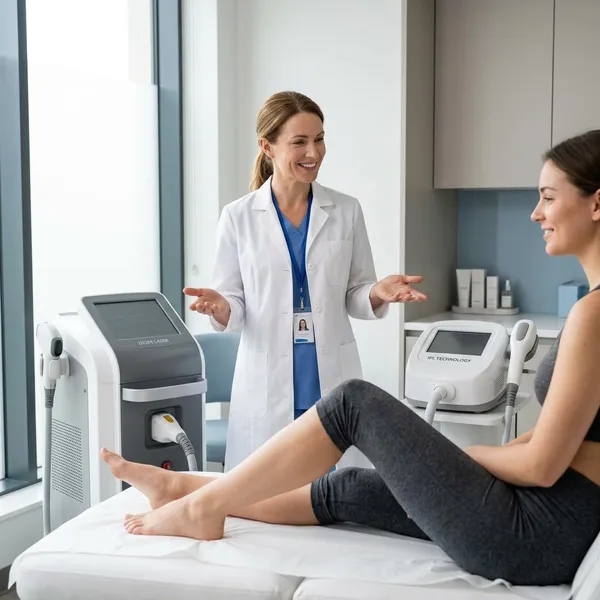
Choose clinic diode laser if you want stronger reduction, professional screening, and fewer guesses about settings. This is especially sensible for coarse hair, larger areas, medium to deeper skin tones, or anyone who has had irritation from light-based devices before.
Home IPL fits a different type of user: someone with lighter skin, darker hair, and enough patience for gradual results. It can be perfectly reasonable for seasonal upkeep before summer or for small areas you do not mind treating regularly. For long-term, low-maintenance reduction, diode laser is usually the cleaner choice.
Conclusion
Diode laser is usually the better option when you want stronger, more consistent hair reduction and you are willing to use a professional clinic. IPL still has a place for convenient at-home maintenance, but it works best when your skin is light, your hair is dark, and your expectations are gradual. If there is any doubt about tanning, darker skin, medication, or a sensitive treatment area, get assessed before choosing the cheaper or faster-looking option.