
Cooling is worth paying for only if it helps you use a home IPL device comfortably and consistently; it does not make the light itself more effective. Start with skin tone and hair color compatibility, then compare comfort, flash speed, handling, and return terms before you let a cooling plate decide the purchase.
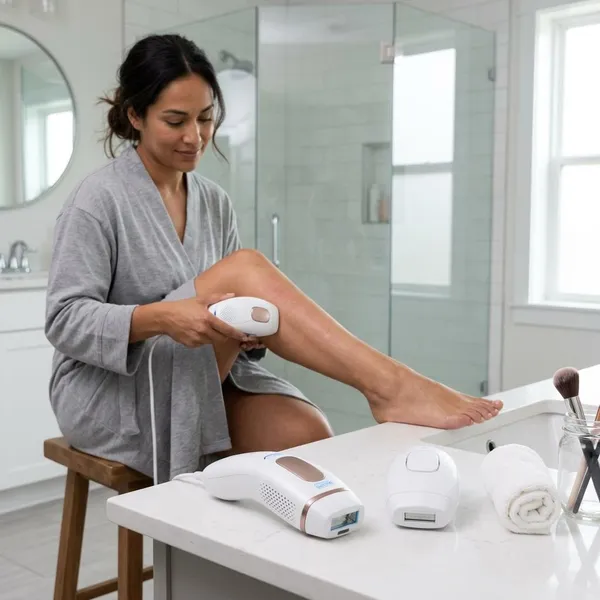
What should you compare beyond cooling?
Cooling is only one part of the decision. A device that feels gentle can still be a poor fit if it is slow on large areas, awkward to hold, or not suitable for your skin tone and hair color. A non-cooling device can also be the better buy if it is fast, light, and comfortable enough for the areas you actually plan to treat.
Treatment comfort
Cooling devices usually feel gentler because a chilled contact surface reduces the heat sensation on the skin. That can make a real difference on the underarms, bikini line, upper lip, or any area where IPL feels sharper because the hair is coarse or the skin is more sensitive.
For someone who already finds waxing, epilating, or strong heat uncomfortable, cooling may be the feature that keeps sessions from becoming something they avoid. If you mostly plan to treat legs or arms and tolerate a quick snap feeling well, comfort may be less important than speed.
Light output and settings
Cooling does not increase IPL power. The useful question is whether the device gives you settings you can use safely and repeatedly for your own skin and hair profile. Manual levels can help if different areas need different intensity, while automatic sensing may suit beginners who prefer fewer choices.
Do not treat "cooling" as permission to use the highest level. A sensible setting is one that matches the brand's guidance, passes a small patch test, and feels manageable without lingering irritation.
Flash speed and coverage
Flash speed and window size matter most when you want to treat broad areas such as legs, arms, chest, or back. A fast glide mode can make the difference between a routine you finish and one you keep postponing.
- Large areas: Prioritize quick flashes, a comfortable grip, and a treatment window that covers skin efficiently.
- Small or curved areas: A precision attachment or smaller head may be more useful than raw speed.
- Mixed use: Look for a device that does not force you to choose between comfort on sensitive zones and patience on larger ones.
Device size and handling
Cooling hardware can make the head feel bulkier, although this depends on the design. Weight is not a problem during a quick underarm session, but it can become annoying when you are working around knees, ankles, or both legs.
Before buying, look for practical details: where the button sits, whether the head must stay perfectly flat, how the cord moves, and whether the shape looks easy to hold at awkward angles. A lighter non-cooling device may be more pleasant for long sessions, while a cooling model may be worth the extra bulk for short, sensitive treatments.
Price, warranty, and returns
Cooling models often cost more, so the price difference should buy you more than a nice-sounding feature. It should reduce discomfort enough that you use the device more confidently or treat areas you would otherwise skip.
Return terms are especially important. Reviews can tell you whether a device is generally liked, but they cannot predict your pain tolerance, hair thickness, or how the device feels on your bikini line versus your lower legs. A warranty also matters because home IPL is meant to be used over many sessions, not tested once and forgotten.
Does cooling improve IPL results?
Cooling does not directly improve IPL results. The light still works by targeting pigment in the hair, and the outcome depends on suitable skin and hair contrast, appropriate settings, and repeated treatments over time.
Where cooling can help is consistency. If flashes feel less hot or less sharp, you may be more willing to complete sessions, cover sensitive areas carefully, and stay at a usable intensity instead of dropping too low out of discomfort.
A non-cooling device can still give good long-term reduction when it matches your profile and feels tolerable. For example, someone treating mainly legs with dark hair and a decent pain tolerance may get more value from a fast, lightweight device than from active cooling. Someone focused on the bikini line or upper lip may find the opposite: comfort removes enough hesitation to make the routine easier to maintain.
Cooling can reduce the surface heat feeling for some users, but it does not make IPL suitable for every skin tone or hair color. If the manufacturer's chart says a device is not suitable for you, a cold plate is not a workaround.
How to decide whether cooling is worth it
The easiest way to decide is to separate "nice to have" from "will change my behavior." Cooling is worth more if discomfort would make you delay treatments, skip delicate areas, or use settings so low that the routine becomes less effective. If you already tolerate IPL-like sensations well, the same money may be better spent on speed, attachments, support, or a stronger return policy.
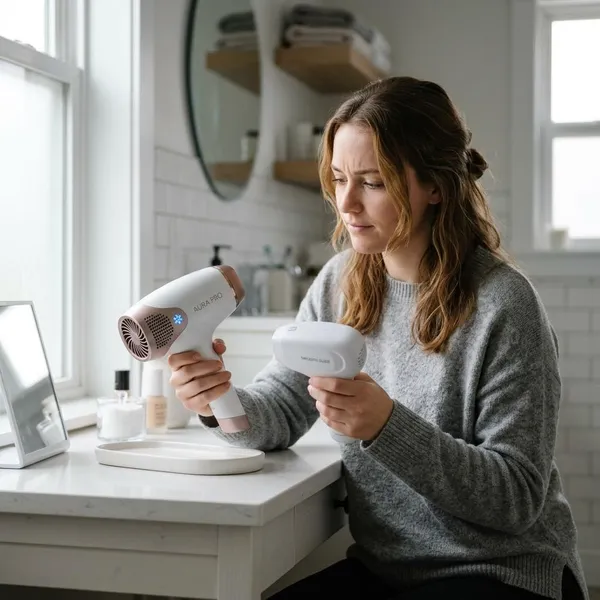
Weigh comfort against the price difference
Ask one practical question: would cooling make you more likely to finish every session at a sensible setting? If yes, the higher price may be justified. If no, it may be a comfort upgrade that does not change your actual results.
Compare devices suited to your skin and hair
Compatibility comes before comfort. Check the brand's skin tone and hair color chart, then remove any device that is not clearly suitable. IPL usually depends on pigment contrast, so very light hair, certain red or grey hair, and deeper skin tones may need extra caution depending on the device.
Consider session length and treatment areas
Your main treatment area should guide the trade-off. For legs, arms, chest, or back, speed and easy handling can matter more because the session takes longer. For underarms, bikini line, or face, cooling may be more valuable because the area is smaller but often more sensitive.
- Large-area routine: Choose the device you can move steadily without fatigue.
- Sensitive-zone routine: Give comfort more weight, especially if heat makes you tense up.
- Whole-body routine: Avoid extremes; a comfortable but slow device can be just as annoying as a fast but harsh one.
Check trial periods and return terms
A trial period is useful because IPL comfort is personal. If possible, choose a seller that lets you test the device at home under normal conditions, not just inspect the box.
Before the return window closes, test the areas you actually care about, starting with a patch test and a conservative setting. Notice three things: whether the sensation is tolerable, whether the device is easy to position, and whether the session length feels realistic. If one of those fails, cooling alone probably will not save the purchase.
Conclusion
Choose cooling if comfort is likely to decide whether you keep using the device, especially for the bikini line, underarms, face, or low pain tolerance. Choose non-cooling if compatibility is good, the sensation feels manageable, and you care more about speed, lighter handling, or price. The safest buying path is simple: confirm suitability first, then pick the device you can realistically use regularly without dreading the next session.


