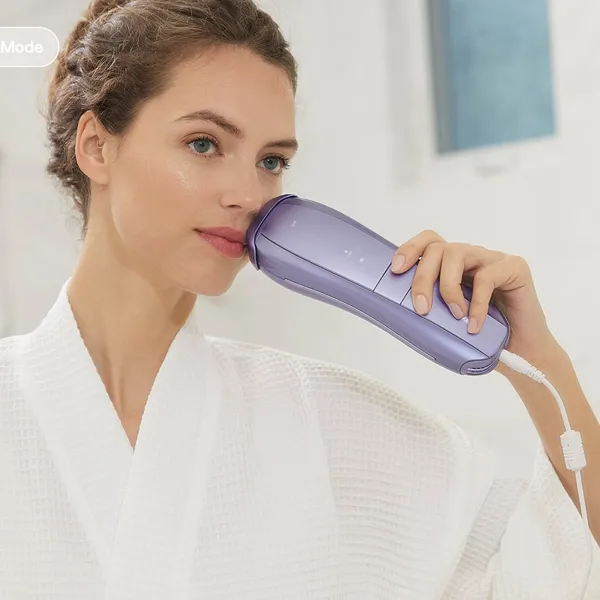
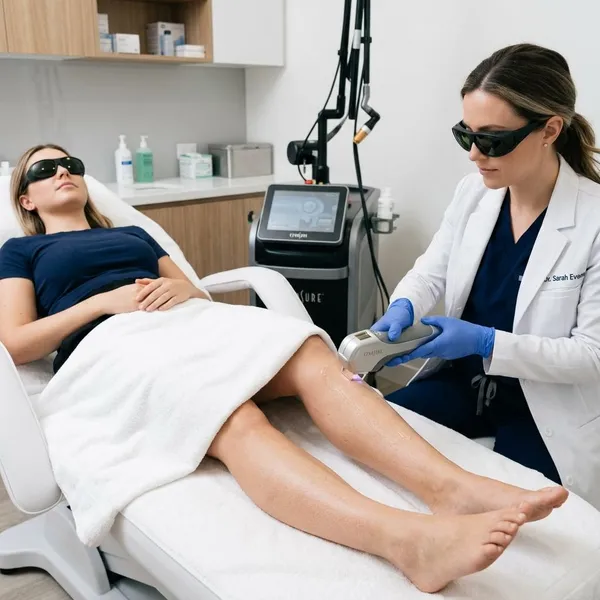
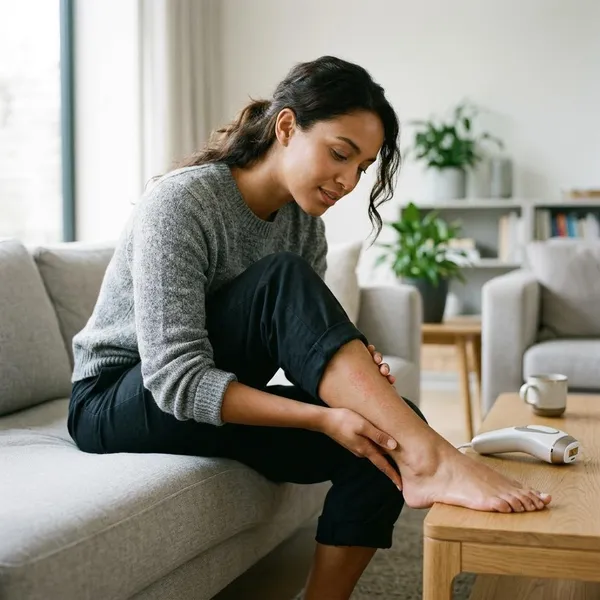
If you are using Reddit to choose an at-home hair removal device, Braun, Ulike, and Philips Lumea all come up frequently. Braun is often praised for effectiveness and straightforward use, while Ulike gets particular attention for its cooling and comfort features. Reddit opinions on which one produces stronger results are mixed.
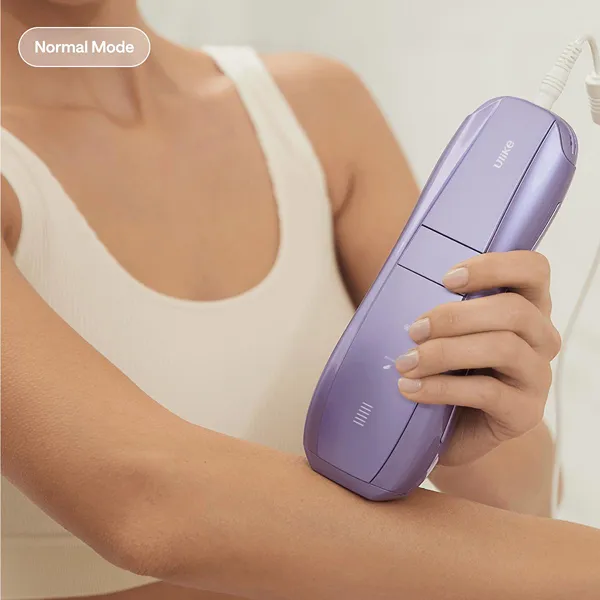
Best at-home laser hair removal picks from Reddit
Most devices people discuss for home hair reduction are IPL devices rather than true lasers. That matters because at-home IPL can reduce regrowth over time, but it is usually slower and less powerful than professional laser treatment. If you expect gradual improvement instead of instant smoothness, Reddit feedback becomes much easier to interpret.
| Device people compare | Best fit | Main trade-off |
|---|---|---|
| Braun IPL models | Users who want strong reduction and are less worried about sensation | May feel more intense on sensitive areas |
| Ulike Air 10 | Users who want a gentler-feeling routine, especially for underarms or bikini line | Results still depend heavily on hair color, skin tone, and consistent use |
| Philips Lumea 9900 Series | Users who want a premium device with attachments and extra guidance | Higher price for convenience and polish |
If you only treat your lower legs before summer, speed and strength may matter more than luxury features. If you want year-round upkeep on underarms, bikini line, and face, comfort and easy scheduling can make a bigger difference because you have to live with the routine.
How to choose between Reddit favorites
Do not start with the brand name. Start with whether IPL is suitable for your skin and hair, then compare comfort, speed, and the safety net of returns or warranty. That order prevents the most common bad purchase: buying the device everyone recommends, then realizing it is not a good match for your body or routine.
Match the device to your skin and hair
Compatibility is the first thing to check because IPL depends on contrast between hair pigment and skin tone. In general, darker hair on lighter skin responds more predictably, while very light blonde, red, grey, or white hair often responds poorly. Deeper skin tones may also be excluded or limited depending on the device, so this is not a step to skim.
- Check the official chart first: compare it with each area you want to treat, not just your overall complexion.
- Look at hair color by area: leg hair, facial hair, and bikini-line hair may not respond the same way.
- Confirm approved treatment zones: facial use and bikini-line use often have specific limits.
- Be cautious near the edge: if your skin tone is borderline for a device, look for strong safety sensors and clearer brand guidance.
Compare comfort for sensitive areas
Comfort matters most when you are treating underarms, bikini line, upper lip, or any area you already find sensitive. A stronger-feeling device can be fine on legs but annoying enough on delicate areas that you stop using it consistently.
This is where Ulike often has an advantage for comfort-first buyers, while Braun is often discussed by people who are willing to tolerate a more intense sensation for stronger-feeling sessions. Neither priority is wrong. If you are buying mainly for legs, you may accept more intensity; if you are buying mainly for bikini-line maintenance, gentleness may be the thing that keeps the device from ending up in a drawer.
Compare speed for larger areas
Speed becomes important once you move beyond small zones. For full legs, arms, chest, or back, check the treatment window size, flash rate, glide mode, and whether the device feels comfortable to hold for a longer session.
Someone treating only underarms can tolerate a slower device without much frustration. Someone trying to do both legs every week may quickly start skipping sessions if the process feels like a chore. For larger areas, a faster device is not just more convenient; it makes consistency more realistic.
Check warranty and return terms
Return terms are worth checking before you get excited about a discount. You may need a few sessions to know whether the device feels comfortable, whether the shape is awkward, or whether your skin reacts badly. A return window that is too short can make that hard to judge.
- Return window: long enough to patch test and try early sessions.
- Warranty length: clear coverage for defects, not vague promises.
- Claims process: easy-to-find instructions and realistic support channels.
What results to expect from at-home IPL
At-home IPL is best thought of as hair reduction, not guaranteed permanent removal. Good results usually look like slower regrowth, finer hair, fewer rough stubble days, and longer gaps between shaving or waxing. The trade-off is that you need patience and maintenance.
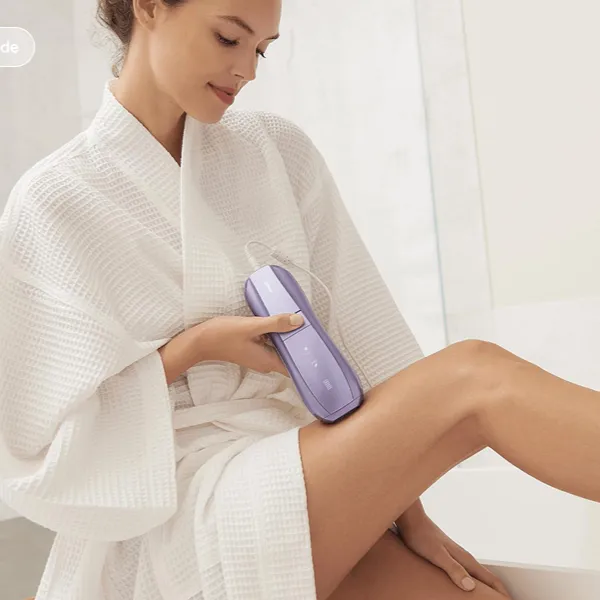
Slower and finer regrowth over time
The first useful sign is often not a perfectly smooth patch of skin. It is hair coming back more slowly, feeling softer, or growing in less densely. That can still be a very good result if your real goal is shaving less often rather than never seeing hair again.
Better results with regular sessions
Consistency is the part people underestimate. IPL works best when you follow the device schedule, shave before treatment, keep the flashes evenly spaced, and avoid randomly skipping weeks.
- Shave first: do not wax or pluck right before IPL because the device needs pigment in the hair root.
- Use the correct setting: stronger is not better if it irritates your skin or makes you quit.
- Track progress: photos every few weeks can show changes you may not notice day to day.
Ongoing maintenance after the first phase
Even after the first treatment phase, most people need touch-ups. Hormones, body area, hair thickness, and how well you followed the schedule can all affect how much regrowth comes back.
This does not mean the device failed. If maintenance is occasional and the hair is easier to manage, the device may still be worth it. It is less convincing if you dislike the routine, have a poor skin-and-hair match, or need results fast for a specific deadline.
Conclusion
The smartest pick is the device you can use safely and consistently: check compatibility first, then decide whether you care more about strong-feeling sessions, comfort on sensitive areas, or a premium guided routine. Braun, Ulike, and Philips can all make sense for different buyers, but none of them can fix a poor skin-and-hair match or an unrealistic expectation of instant permanent removal.