If you want the most permanent result, electrolysis is the strongest answer to what is the most effective permanent hair removal. Laser is often the more practical choice for large areas because it reduces a lot of hair faster, while IPL is best treated as convenient at-home reduction rather than true permanent removal.
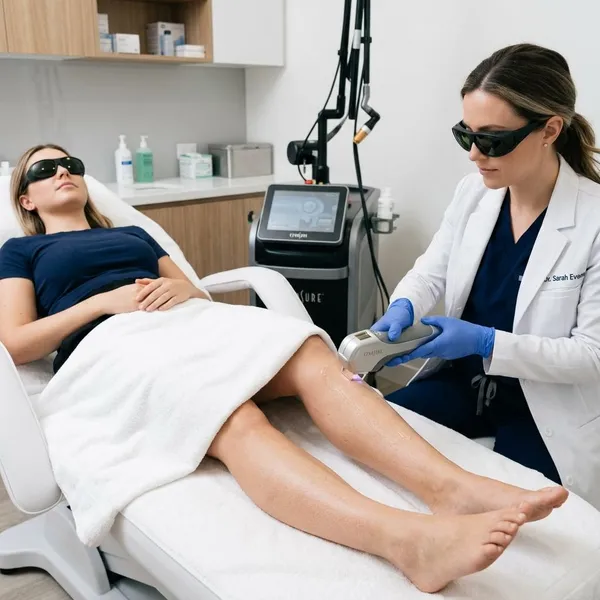
What is the most effective permanent hair removal?
The first thing to separate is "permanent removal" from "long-term reduction." Electrolysis treats one follicle at a time and is the best fit when you want individual hairs permanently disabled. Laser treats many hairs at once and is usually better when your real goal is much less hair on a larger area.
| Method | Best use | Main limitation |
|---|---|---|
| Electrolysis | True permanent removal, small areas, light or gray hair | Slow because each follicle is treated separately |
| Laser | Fast reduction on legs, underarms, bikini line, chest, or back | Regrowth and touch-ups are still possible |
| IPL | At-home reduction and maintenance | Usually less powerful and less lasting than professional treatment |
For example, a few coarse chin hairs and a full leg treatment should not lead to the same plan. The chin hairs may be worth treating with electrolysis for a more final result, while full legs are usually more realistic with laser first because of the time involved.
How do electrolysis and laser hair removal compare?
Electrolysis and laser solve different problems. Electrolysis is more final for each successfully treated follicle; laser is more efficient when the area is too large for slow precision work. The better choice depends less on the marketing claim and more on hair color, area size, and how much upkeep you can accept.
Permanence and regrowth
Electrolysis has the stronger permanence claim because a fully treated follicle should not produce hair again. Hair can still appear later from follicles that were not treated yet, which is why sessions are spread out over time.
Laser is better described as long-term reduction. Many people get a major drop in hair density, thickness, and shaving frequency, but hormones, genetics, missed growth cycles, and new follicles can lead to regrowth. If you need the most final answer for a small visible area, electrolysis has the edge.
Treatment speed and area size
Area size often decides the method before anything else. Laser can treat underarms in a short appointment and can cover legs or a back far more efficiently than electrolysis. Electrolysis makes more sense when the number of hairs is limited or the shape needs careful control.
Hair color and skin tone
Hair color is one of the quickest checks. Dark hair usually responds better to laser because there is more pigment to target. Blonde, gray, white, and many red hairs are poor laser targets, so electrolysis is usually the more reliable option for those shades.
Skin tone matters most with laser and IPL. Modern devices can be suitable for a wider range of skin tones, but the settings and device type matter. If you have darker skin, a history of pigmentation changes, or easily irritated skin, do not treat the consultation as a formality; ask what device will be used and why it is appropriate for you.
Sessions, discomfort, and upkeep
Both methods require repeat visits because hair grows in cycles. Laser commonly needs a series of sessions plus occasional maintenance. Electrolysis can involve more appointments, especially if the area has dense growth, but the target is a more final result once the relevant follicles have been treated.
- Laser sensation: often described as heat or a quick snap.
- Electrolysis sensation: more like repeated tiny stings.
- Ask before booking: expected session count, aftercare, numbing options, and whether your hair color is likely to respond.

Where does IPL fit for long-term hair removal?
IPL is best seen as a convenience method for long-term reduction. It can be useful if your goal is to shave less often, manage mild regrowth, or try a home routine before paying for professional treatments. It is not the method I would choose if the goal is maximum permanence.
Best for convenient home treatments
The main advantage of IPL is that you can use it at home on your own schedule. That matters for someone who will not realistically book repeated clinic sessions but can manage short treatments after shaving.
It is most likely to make sense when there is enough contrast between hair and skin for the device to work well. Before buying one, check the device's skin tone and hair color chart, not just the product photos.
Better for reduction than complete removal
IPL should be judged by reduction, not complete clearance. A good result may mean slower regrowth, softer hair, and fewer shaving days, rather than permanently smooth skin.
More likely to need ongoing maintenance
IPL usually asks for consistency. Many users need an initial routine and then periodic top-ups to keep results visible. If you stop entirely, some hair commonly returns.
That is not automatically a problem. For someone who prefers lower upfront cost and privacy, regular home maintenance may feel acceptable. For someone who wants the fewest future treatments, electrolysis or professional laser is usually a better discussion to have first.
How do you choose the right permanent hair removal method?
Start with three checks: how permanent you want the result, whether your hair color can be targeted by light-based treatment, and whether the area is small enough for electrolysis to be realistic. Those three questions narrow the choice faster than comparing prices alone.
It is also worth being cautious if hair growth changes suddenly, becomes much heavier, or comes with symptoms such as acne, irregular periods, or rapid body changes. In that situation, a medical check may be more useful than simply booking hair removal, because hormones or medication changes can affect regrowth.
Decide how permanent you want the result
If your goal is "I want this specific hair gone for good," choose electrolysis first. If your goal is "I want much less hair and easier upkeep," laser may be the better value, especially on large areas.
IPL belongs in the conversation when convenience matters more than permanence. That is a perfectly reasonable goal, but it should be chosen honestly so you do not expect electrolysis-level results from a home device.
Match the method to your hair and skin
Use hair color as the first filter: dark hair often points toward laser or IPL, while blonde, gray, white, and many red hairs point toward electrolysis. Then use skin tone and sensitivity as the safety filter.
- Dark hair, suitable skin tone: laser may give the fastest visible reduction.
- Light or gray hair: electrolysis is usually the more dependable route.
- Higher risk of pigmentation or burns: get professional advice before using laser or IPL.
Consider the size of the treatment area
Small areas reward precision. Upper lip, chin, jawline, stray nipple hairs, or a few hairs between shaping appointments often suit electrolysis well.
Large areas reward speed. Legs, back, chest, underarms, and bikini line are usually more practical with laser if your hair and skin are suitable. IPL can fit medium areas if you are comfortable with gradual results and maintenance.
Compare time, cost, and discomfort
Do not compare only the price of one session. Compare the likely full plan: number of appointments, travel time, maintenance, discomfort, and how much regrowth would still bother you.
A cheaper route can become frustrating if it does not match your hair type. A slower route can still be worth it if the area is small and the result matters every day, such as visible facial hair. Ask for realistic expectations before committing, especially for sensitive areas or darker skin tones.

Conclusion
Choose electrolysis when permanence matters most, laser when you want efficient large-area reduction, and IPL when convenient home upkeep is good enough. The best plan is often not the strongest-sounding one, but the one that matches your hair color, skin tone, treatment area, and tolerance for maintenance.