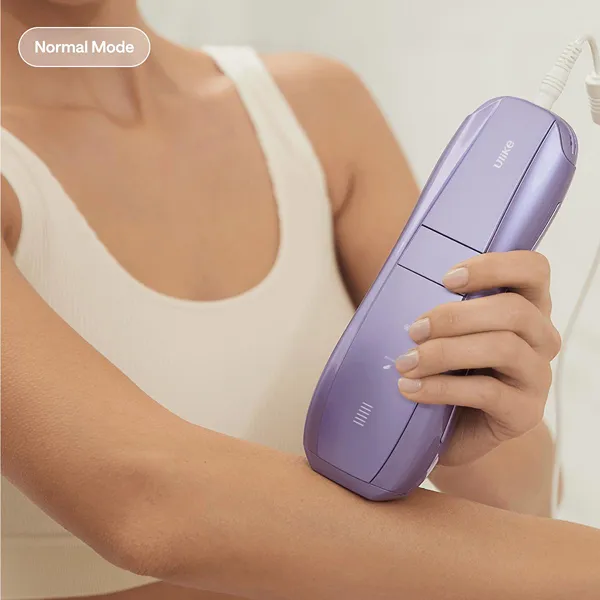
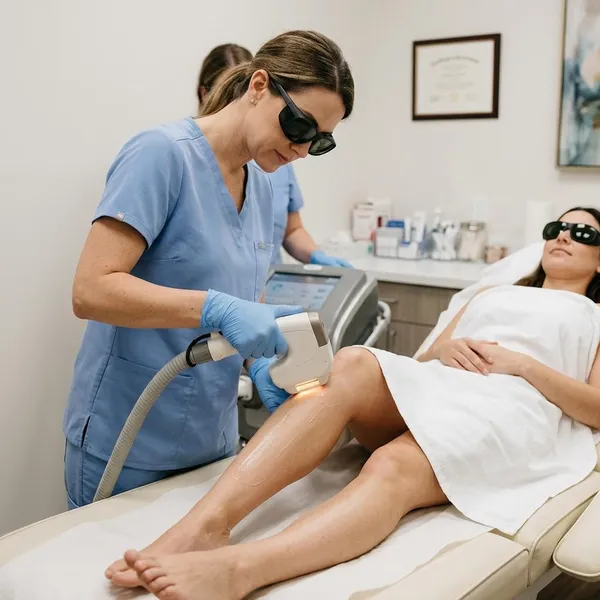
Most IPL hair removal side effects are mild: a little redness, warmth, swelling around follicles, or temporary sensitivity. The part to take seriously is not every small reaction, but whether your skin is getting calmer or becoming more painful, darker, blistered, or irritated over time. Before using IPL again, check three things first: your skin tone and hair color fit the device, your skin is not recently tanned or irritated, and the intensity is not higher than your skin can comfortably tolerate.

What IPL hair removal side effects are normal?
A normal IPL reaction should feel mild, stay limited to the treated area, and improve steadily. It may look like light razor burn, feel warm for a short while, or leave the skin slightly dry the next day. Coarse-hair areas such as the underarms, bikini line, or lower legs can react more visibly because the hair absorbs more light energy.
Mild redness and swelling
Mild redness and small raised bumps around hair follicles are common after IPL. They often appear soon after treatment and usually calm down within hours, although sensitive skin may take longer. This is more likely in areas with dense or coarse hair, where the follicle absorbs more heat.
Stop treating that area if the redness spreads well beyond where you flashed, becomes increasingly painful, or is joined by blistering. That is no longer a routine post-treatment flush.
Warmth or light stinging
A quick snap during the flash and a short warm feeling afterward can be normal. It should feel manageable, not like a burn you have to endure. If you are treating your lower legs and the sensation is mild, that may be fine; if the same setting feels sharp on the upper lip or bikini line, reduce the level or pause.
Temporary dryness or sensitivity
IPL can leave the skin barrier temporarily more reactive, especially if you shaved just before treatment or already have dry skin. Tightness, mild itchiness, or a rough feel can happen, but it should gradually settle with gentle care.
- Usually okay: mild tightness, slight dryness, or a little tenderness that improves.
- Not okay: worsening pain, heavy peeling, rash-like irritation, or marks that keep darkening.
- Easy mistake: using acids, retinoids, perfume, or strong deodorant too soon after treatment.
What raises the risk of IPL side effects?
The biggest risks usually come from heat, pigment, and poor timing. IPL is more likely to cause trouble when the device setting is too aggressive, the skin has extra pigment from tanning, the same spot is flashed repeatedly, or your skin is more light-sensitive than usual.
A low-risk session looks like this: calm skin, no recent tan, no irritating products, a suitable skin and hair match, and an intensity level your skin has already tolerated. A higher-risk session is the opposite: holiday-tanned legs, a new acne treatment, impatience with the results, or treating an area that the device manual does not approve.
Using an intensity that is too high
Higher intensity is not automatically better. Too much energy can heat the surrounding skin instead of only targeting the follicle, which raises the chance of burns, lingering soreness, and blisters.
Treat body areas separately in your mind. Legs may tolerate a stronger setting than the face, underarms, or bikini line. If one area reacts badly while another is fine, lower the level for that area rather than assuming your whole routine is wrong.
Treating recently tanned or sunburned skin
Recently tanned skin contains more active pigment, so IPL may target the skin more than intended. Sunburned skin is even more vulnerable because it is already inflamed. In both cases, waiting is safer than trying to squeeze in a session before an event or holiday.
This also applies to self-tanner. If your legs look darker from fake tan, do not treat them as if they are your normal skin tone. Let the color fade and follow the device's timing guidance before restarting.
Repeatedly flashing the same area
Flashing one exact spot again and again adds heat without guaranteeing better hair reduction. It often happens on awkward areas such as knees, ankles, or the bikini line, where it is easy to lose track.
- Work in rows: move steadily instead of treating randomly.
- Use good lighting: it helps prevent accidental overlap.
- Slow down on curves: knees and ankles are where repeat flashes often happen.
Using IPL with light-sensitive medications or products
Some medications and skincare products can make skin more reactive to light. This may include certain antibiotics, acne treatments, retinoids, exfoliating acids, and other photosensitizing products. If a setting was fine last month but suddenly stings badly, think about what changed in your skincare or medication routine.
Treating skin outside the device's approved range
IPL depends on contrast between hair pigment and skin tone. If the skin is too dark for the device, the skin may absorb too much energy. If the hair is very light blonde, red, grey, or white, there may not be enough pigment for useful results.
Use the chart for your exact device, not a general IPL chart online. A poor match is not just less effective; it can tempt you to raise the intensity or repeat passes, which increases the chance of side effects.
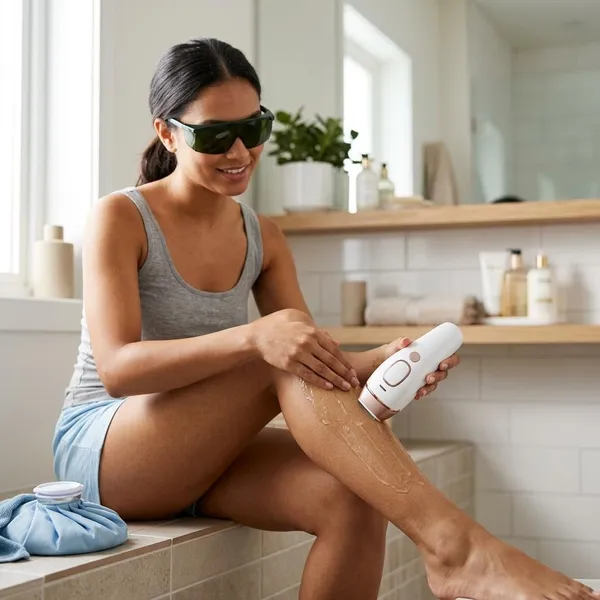
How can you reduce IPL side effects?
The safest routine is not complicated: test first, use the recommended setting, treat only calm skin, avoid extra flashes, and respect sun exposure rules. If you only want to do one check before every session, make it this one: has anything changed since last time, such as tanning, irritation, medication, skincare, or a stronger device level?
Patch test before full treatment
A patch test is worth doing when you use a new device, treat a new body area, increase intensity, return after a long break, or have had recent sun exposure. Treat a small hidden area and wait the time recommended by the manual, commonly a day or two, before treating more skin.
Look for more than redness. Check for unusual swelling, blistering, strong tenderness, or dark and light marks. If the patch looks questionable, do not "test" the rest of the area.
Use the recommended intensity
Start with the level your device recommends for your skin tone and body area. If you are between two levels, choose the lower one first. Comfortable consistency is usually more useful than a high setting that leaves your skin too irritated for the next session.
Prepare your skin as directed
Most IPL routines work best on clean, dry, freshly shaved skin, but always follow the instructions for your device. Avoid heavy creams, oils, deodorant, perfume, fake tan, or active skincare on the treatment area unless the manual says they are safe.
- Shave, do not wax: IPL needs the hair root to remain in place.
- Skip broken skin: cuts, razor burn, rashes, and irritation raise the sting factor.
- Avoid harsh prep: strong exfoliation right before IPL can make skin more reactive.
Avoid unnecessary repeat flashes
Plan your pattern before you start. On a large area like the legs, move section by section from ankle to knee or knee to thigh. On smaller areas, use shorter controlled placements rather than chasing individual hairs.
If you think you missed a patch, make a note for next time instead of repeatedly flashing the same spot in one session. Patchy results are annoying, but a burn delays everything.
Follow the device's sun exposure guidance
Sun exposure guidance matters most when treating areas that are regularly uncovered, such as the face, arms, and lower legs. Everyday exposure from walking, driving, or sitting near a bright window can still matter, especially after treatment.
- Before IPL: delay treatment if the skin is sunburned, freshly tanned, or darker than its usual tone.
- After IPL: keep the area out of strong direct sun for the period your device recommends.
- When exposed: use broad-spectrum sunscreen and cover the area when practical.
What should you do after an IPL reaction?
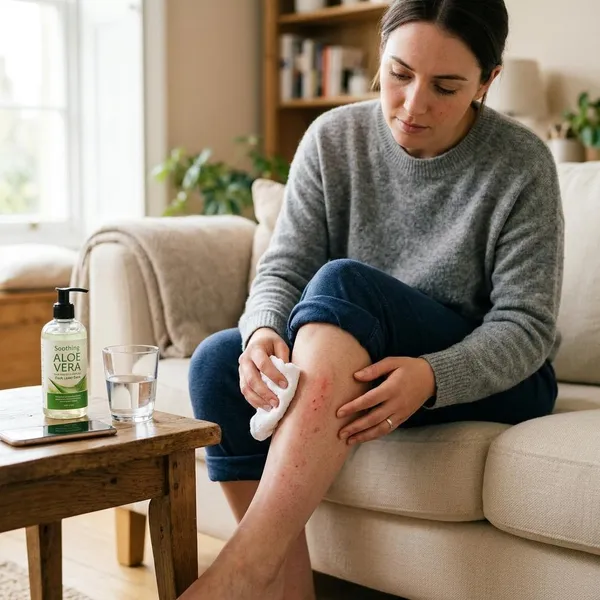
First decide whether the reaction is mild or beyond normal. Mild warmth, pinkness, or slight swelling can usually be handled with gentle cooling and simple skincare. Severe pain, blistering, spreading redness, scabbing, or pigment changes need a more cautious approach and may need medical advice.
Cool and soothe mild irritation
Use a cool compress in short intervals if the area feels hot or prickly. Do not put ice directly on the skin. After that, choose a plain fragrance-free moisturizer or a simple soothing gel if you already know your skin tolerates it.
Loose clothing, lukewarm showers, and no scrubbing can make a noticeable difference during the first day. Mild irritation should become less noticeable, not more intense.
Pause IPL until your skin recovers
Wait until redness, tenderness, dryness, and unusual marks have fully settled before treating again. When you restart, consider a patch test and a lower setting, especially if the reaction followed sun exposure, a new product, or accidental overlap.
Avoid products that further irritate the skin
Skip exfoliating acids, retinoids, acne treatments, fragranced lotions, strong cleansers, alcohol-heavy products, hot baths, saunas, and intense workouts if they make the area feel hotter or more inflamed.
Get medical advice if you see blisters, severe swelling, signs of infection, spreading redness, or dark or light patches that do not begin to improve. It is better to pause early than keep treating skin that is already warning you.
Conclusion
IPL is usually tolerable when your skin is calm, the device matches your skin and hair, and you resist the urge to use more power for faster results. Treat redness and warmth as normal only when they fade in the right direction; pain, blisters, worsening irritation, or pigment changes are clear reasons to stop and reassess before your next session.