IPL hair removal is a light-based way to reduce hair growth over time, not a method that makes every hair disappear after one session. The first things to check are simple: whether your hair has enough dark pigment, whether your skin tone is suitable for the device, and whether you can stick to repeated sessions long enough to see a change.
What Is IPL Hair Removal?
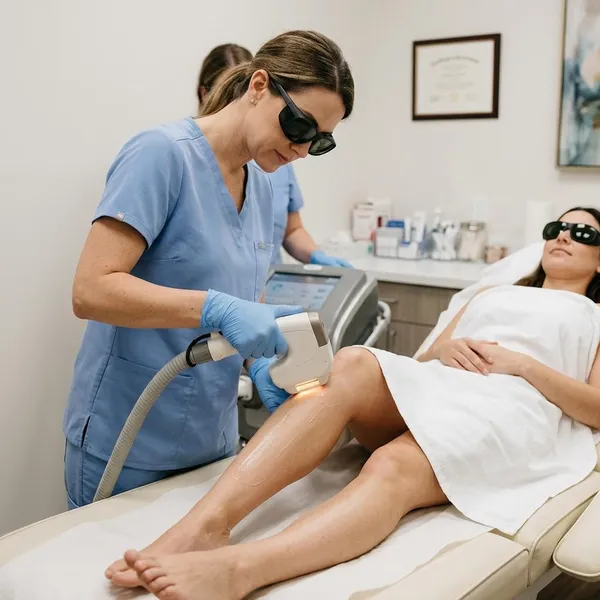
IPL hair removal is best understood as long-term hair reduction. It uses flashes of light to heat pigment in the hair, which can weaken the follicle's ability to grow strong new hair. That is different from shaving, which cuts hair at the surface, or waxing, which pulls hair out temporarily.
IPL stands for Intense Pulsed Light
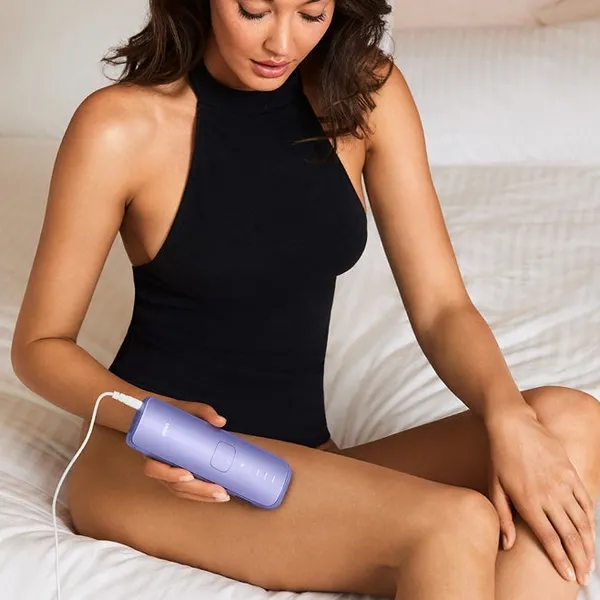
IPL stands for Intense Pulsed Light. The device releases short pulses of broad-spectrum light onto the skin, and in hair removal that light is aimed at the pigment inside the hair. Clinic systems and home devices both use this principle, although home IPL devices are usually designed with lower power for repeated self-use.
How IPL light targets pigment in hair
The light is attracted to melanin, the pigment that gives hair its color. Darker hair usually absorbs the light more effectively, so brown and black hair tend to respond better than very light hair.
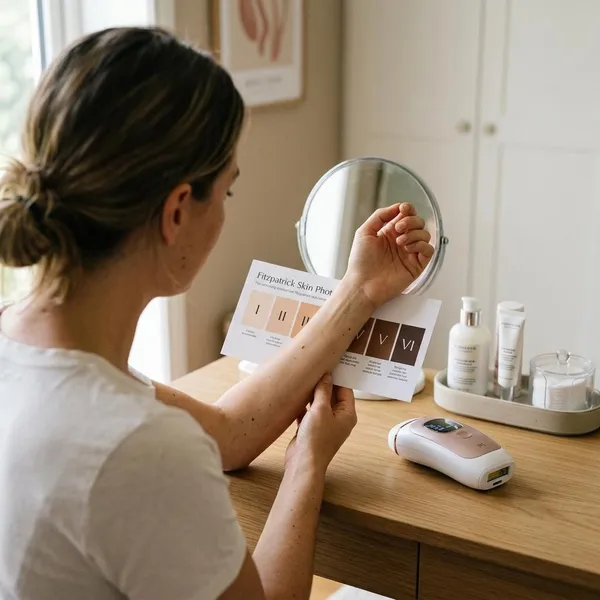
This is also why contrast matters. Dark hair on lighter or medium skin gives the device a clearer target, while very dark skin or very pale hair can make treatment less suitable depending on the device. Before buying or using IPL, compare your skin tone and hair color with the device's compatibility chart rather than relying on general claims.
Why IPL reduces hair growth instead of removing hair instantly
IPL does not pull hair out or dissolve it at the surface. It works on the follicle over repeated sessions, so treated hairs may shed gradually while other hairs keep growing until they reach a better treatment stage.
- Expect reduction, not instant removal: early changes are often slower regrowth or thinner patches.
- Plan for consistency: occasional random use usually gives weaker results than a steady schedule.
- Keep expectations realistic: maintenance is common, especially on hormonal areas or stubborn coarse hair.
How Does IPL Hair Removal Work?
IPL works through a chain of events: light enters the skin, darker hair absorbs it, the light turns into heat, and that heat affects the follicle over time. The result depends on both biology and technique, so good results are not just about owning a device.
Light energy is absorbed by darker hair pigment
When the device flashes, the hair shaft absorbs part of that light energy through its pigment. Coarse dark underarm or bikini-line hair often gives the light more to target than fine facial fuzz or pale arm hair, which is why different body areas can respond differently on the same person.
Heat disrupts the hair follicle over time
After absorption, the light converts to heat and travels toward the follicle. Repeated heat exposure can weaken growth so hair comes back slower, finer, or less densely. Using a setting that is too low may feel comfortable but may also do very little; using a setting that is too high can increase irritation, so the sensible approach is to start with the device's guidance and patch test first.
Hair growth cycles explain why multiple sessions are needed
Hair grows in cycles, and IPL works best when a hair is actively connected to the follicle. Since not all hairs are in that stage at once, one session can only affect part of the area.
- Shave first: treat clean, dry skin without lotion, deodorant, oil, or sunscreen residue.
- Use the right setting: follow the device chart for your skin tone and comfort level.
- Work in a pattern: move in rows so you do not miss patches or repeatedly flash the same spot.
- Stay on schedule: early consistency matters more than doing extra sessions at random.
IPL vs Laser Hair Removal
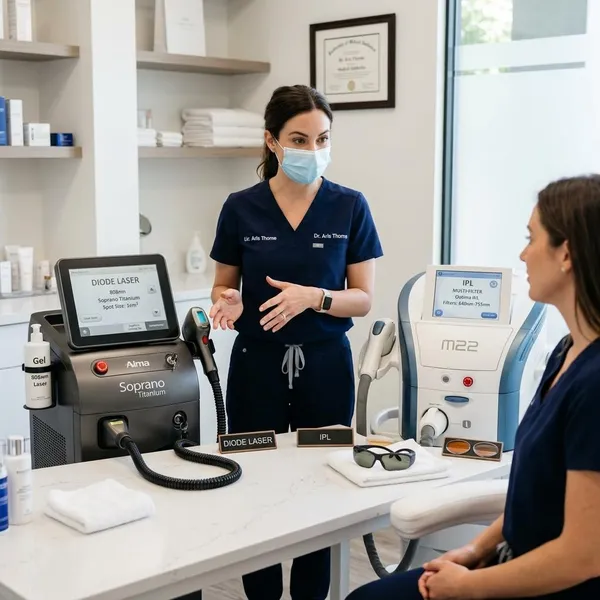
IPL and laser hair removal are often compared because both use light to reduce hair growth. The real choice is not simply which one is "better"; it is which one fits your hair, skin, budget, patience, and comfort with home treatment versus professional treatment.
IPL uses broad-spectrum light while laser uses focused wavelengths
IPL uses broad-spectrum light, which means each flash contains a range of wavelengths. Laser hair removal uses a more focused wavelength aimed at the follicle. In plain terms, laser is usually more targeted, while IPL is often more accessible for home use.
Differences in precision power and treatment settings
Professional laser treatments are commonly stronger and adjusted by a trained provider. Home IPL devices are usually less powerful, which can make them more convenient and gentler for some users, but also means they often require more patience.
| Choice | Usually suits | Main trade-off |
|---|---|---|
| Home IPL | People who want lower-maintenance grooming at home and can repeat sessions consistently | Gradual results and more responsibility for correct use |
| Professional laser | People who want stronger, more targeted treatment with provider oversight | Higher cost, appointments, and potentially sharper discomfort |
Which option fits home use and professional treatment
Choose IPL if your hair and skin are compatible and you want a routine you can manage yourself, especially for larger areas such as legs or underarms. Choose laser if you want professional setting adjustments, have dense stubborn growth, or feel unsure about treating yourself safely.
Who Is IPL Hair Removal Best For?
IPL is most promising when the hair has enough pigment and the skin tone is within the device's safe-use range. If either part is a poor match, results may be limited or the treatment may not be recommended.
People with dark blonde brown or black hair
Dark blonde, brown, and black hair usually respond better because they contain more pigment for the light to target. Coarser hair can also make progress easier to notice, which is why underarms, lower legs, and the bikini line are common treatment areas.
Fine or hormonal facial hair is less predictable. A person treating occasional upper-lip hair may need a more cautious approach than someone treating dark lower-leg hair, especially because facial skin can be more sensitive and device rules for face use vary.
People with suitable skin and hair contrast
The clearest match is darker hair against lighter to medium skin, but compatibility depends on the specific device. Some IPL devices include skin tone sensors or wider tone ranges, while others should not be used on certain skin tones.
- Check before use: match both your skin tone and hair color to the device chart.
- Patch test first: especially on sensitive areas or if you are new to IPL.
- Avoid risky timing: do not treat recently sunburned, irritated, or freshly tanned skin.
Situations where IPL may provide limited results
Very light blonde, red, gray, or white hair often responds poorly because there may not be enough dark pigment to absorb the light. IPL can also be unsuitable over tattoos, irritated skin, or areas affected by certain medications or light sensitivity concerns.
If your main goal is a quick fix for one event, shaving or waxing may make more sense. If your goal is to reduce long-term grooming and your hair-skin contrast is suitable, IPL is more worth considering.

What Results Can You Expect From IPL?
The most realistic result is less frequent and less noticeable regrowth, not guaranteed permanent hair removal. Some users see a clear change after several sessions, while others need longer or find that certain areas respond better than others.
When reduced regrowth usually becomes noticeable
Reduced regrowth often becomes noticeable after a few consistent sessions rather than after the first use. The first signs may be subtle: shaving less often, seeing patchier regrowth, or noticing that treated hairs shed over time.
Why results vary between users
Results vary because hair color, hair thickness, skin tone, hormones, body area, device quality, and technique all matter. Missed patches, overly low settings, or long gaps between sessions can make IPL look less effective than it might have been with steadier use.
Season also matters for some people. If you tan easily or spend a lot of time in the sun, you may need to pause or adjust treatment according to the device guidance, which can slow progress.
Why maintenance treatments are still needed
Maintenance is usually needed because some follicles recover and new growth can appear, especially with hormonal changes. After the initial routine, many people move to occasional touch-ups based on regrowth rather than treating as frequently as they did at the start.

Conclusion
IPL is worth considering if you have suitable hair and skin contrast, want gradual hair reduction, and can follow a routine instead of expecting a one-time fix. Check compatibility first, treat cautiously, and judge success by reduced regrowth and easier maintenance rather than a promise of perfect permanence.