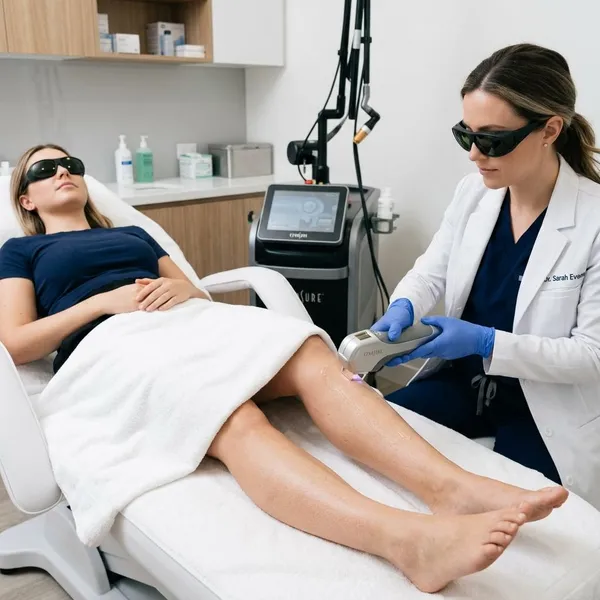
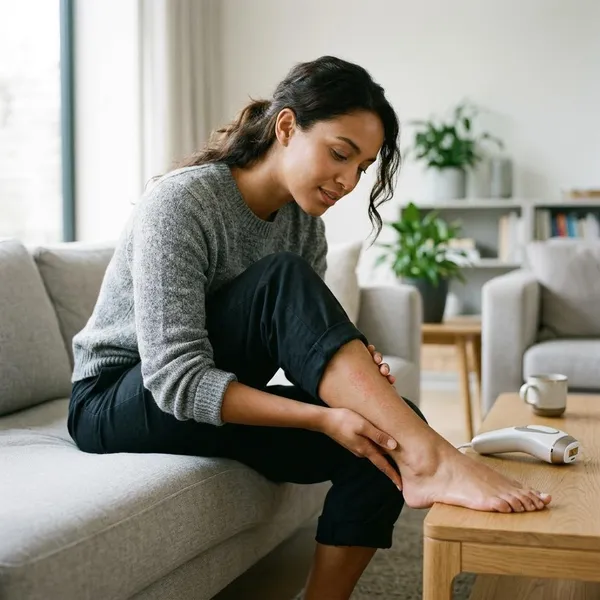
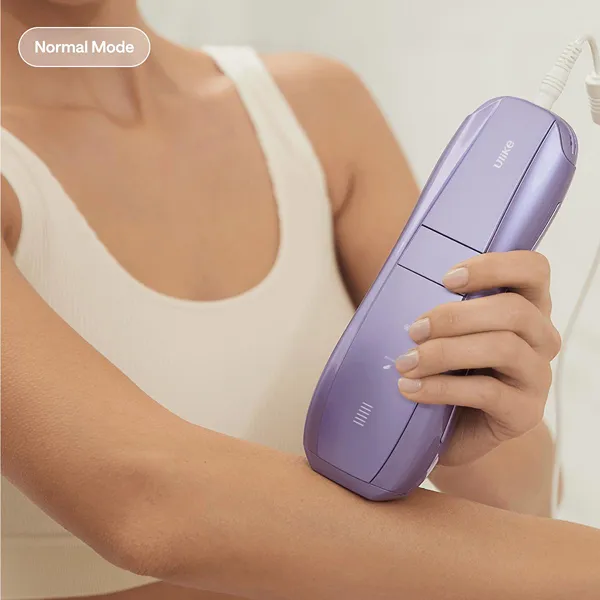
For PCOS hair, the best at home laser hair removal for pcos is usually the device you can use consistently on dark, coarse hair, while accepting that maintenance is part of the deal. Braun is the strongest all-round pick for speed, Ulike is worth considering if comfort matters most, and Nood can make sense if you want a simpler starting point. If your hair is light, very fine, or your skin tone falls outside a device's safe range, at-home IPL is much less likely to be the right first choice.
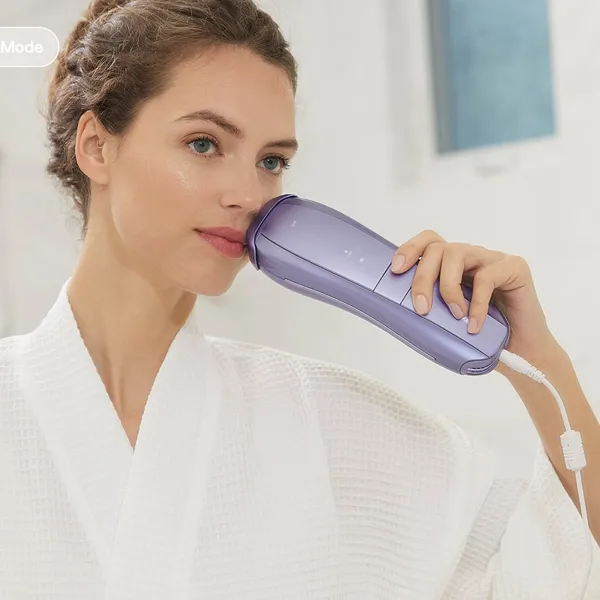
At-home IPL devices to consider for PCOS hair
Most home "laser hair removal" devices are actually IPL devices. They use light to target pigment in the hair, which is why the first thing to check is not the brand name, but whether your hair and skin are suitable for IPL at all.
| Device | Best fit | PCOS hair situation where it makes sense |
|---|---|---|
| Braun Silk-expert Pro 5 | Speed and guided intensity | You treat several areas and want sessions to feel manageable |
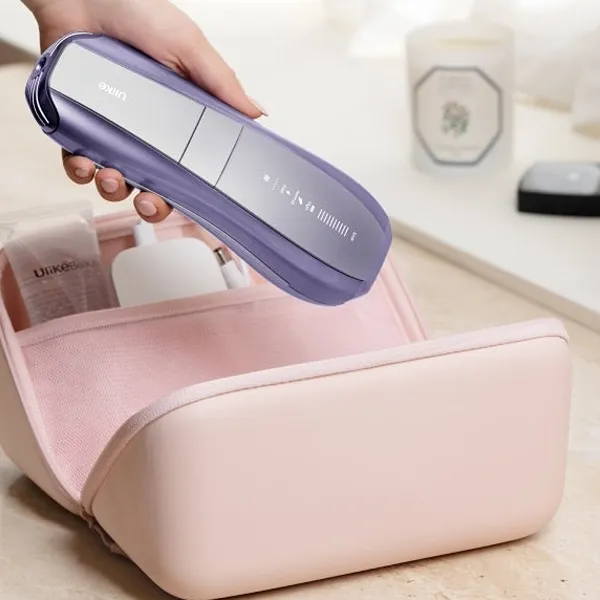
| Ulike Air 10 | Comfort-focused use | You are mainly worried about sensitive facial areas like the chin or upper lip |
| Nood The Flasher 2.0 | Simple routine | You want an easier entry point before spending more or booking clinic sessions |
Does at-home IPL work for PCOS hair?
At-home IPL can work for PCOS hair, but "work" usually means less visible regrowth, thinner hair, and fewer shaving sessions rather than permanent removal. That distinction matters because PCOS hair is often driven by hormones, so new or reactivated growth can keep appearing over time.
The most useful order of checks is simple: first check whether your hair is dark enough for IPL, then check whether your skin tone is within the device's safety range, then decide whether you can realistically keep up with the schedule. Skipping any of those three makes disappointment more likely.
- Shave before treatment. Do not pluck or wax, because IPL needs the hair root area to remain in place.
- Use clean, dry skin. Avoid treating over irritated skin, fresh fake tan, or broken skin.
- Follow the startup schedule. Random use only when hair annoys you usually gives weaker results.
- Judge progress slowly. Look for slower growth and patchier regrowth over weeks, not overnight change.
Dark coarse hair usually responds best
Dark, coarse hair is usually the best match because IPL relies on pigment. Thick chin hairs, bikini-line hair, underarm hair, and dark leg hair are more likely to absorb enough light energy for gradual reduction.
A realistic early sign is not perfectly bare skin. It is often a longer gap between shaving, fewer sharp stubbly patches, or hair that comes back finer in some spots.
Light hair responds poorly to IPL
Blonde, red, gray, white, and very pale fine hair usually responds poorly because there is not enough pigment for the light to target. If your PCOS facial hair is mixed, you may see the dark hairs reduce while lighter strands remain.
That uneven result can feel frustrating, but it does not always mean the device is defective. It may simply mean IPL is only suitable for part of your hair pattern.
Regular sessions improve hair reduction
Consistency matters because hairs are not all in the same growth phase. A fixed weekly or device-recommended routine is usually better than waiting until the area looks bad again.
- Occasional body-hair use: easier to maintain if you mainly treat legs, arms, or underarms before summer.
- Year-round facial upkeep: harder, because even a few returning chin hairs can feel urgent.
- Interrupted routine: more likely to look like "no results," especially with hormone-driven regrowth.
Ongoing maintenance is often needed
Maintenance is normal with PCOS hair. After the first reduction phase, you may still need touch-ups when growth becomes noticeable again, especially on the face.
The practical goal is to reduce the workload. If you go from shaving every day to touching up occasionally, that can be a worthwhile result even if the area is not permanently hair-free.
Why PCOS hair can be harder to manage
PCOS hair can be harder to manage because the follicle may keep receiving hormonal signals to produce thicker, darker hair. That is different from treating ordinary body hair that is not being pushed by the same hormonal pattern.
Hormonal hair can grow back more persistently
Persistent regrowth is common when hormones continue stimulating the follicles. IPL may weaken some hairs, but it does not remove the reason PCOS hair appears in the first place.
That is also where expectations protect you from wasting money. If you need a completely smooth result for a high-stress facial area, at-home IPL may feel too slow or too limited on its own. If you mainly want shaving to feel less constant, it may be a sensible tool.
Facial hair may need more upkeep
Facial hair usually needs the most careful approach because it is visible, emotionally loaded, and often more sensitive to treat. A device that feels fine on the legs can feel too hot or awkward around the upper lip.
- Use only facial-approved areas. Do not assume every device is suitable for the chin or upper lip.
- Patch test first. This is especially important if your skin marks easily.
- Avoid treating irritated skin. Shaving rash, active breakouts, or broken skin can make reactions more likely.
Regrowth can continue after initial reduction
Some regrowth after a good first result is not unusual. New hairs may enter a growth phase later, and PCOS-related hormonal changes can keep the pattern active.
The more useful question is whether the regrowth is easier to live with. Thinner, slower, patchier hair may still make a big difference if your old routine involved daily shaving, frequent ingrowns, or visible shadow by the end of the day.
Conclusion
Choose Braun if you want a fast all-round IPL device, Ulike if comfort is the thing most likely to keep you consistent, and Nood if you want a simpler first step. At-home IPL is most worth it when your PCOS hair is dark, coarse, and safe to treat with the device you choose; it is less convincing for light hair, unsuitable skin tones, or anyone expecting a one-time permanent fix. The smartest purchase is the one that reduces your real grooming burden without pretending hormonal regrowth will disappear forever.