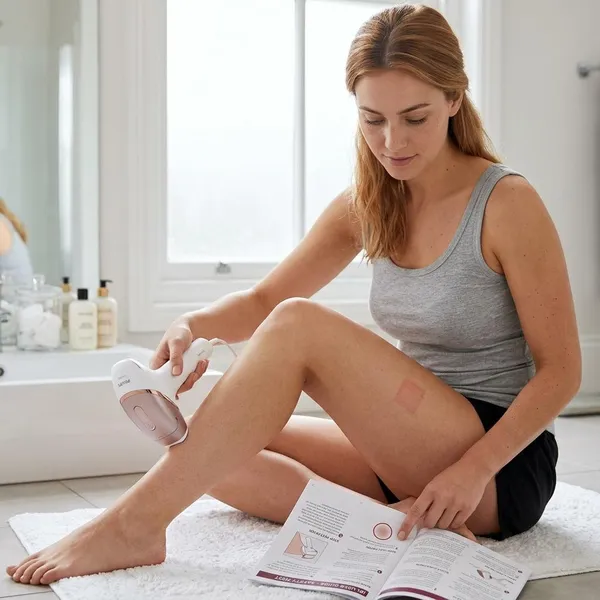
If you want permanent upper lip hair removal, start with the honest distinction: electrolysis is the strongest option for true permanent removal of treated hairs, while laser is usually better for faster long-term reduction when the hair is dark enough. The right choice depends less on trends and more on your hair color, skin sensitivity, hormones, and how much maintenance you are willing to accept.
What Is the Best Permanent Upper Lip Hair Removal Method?
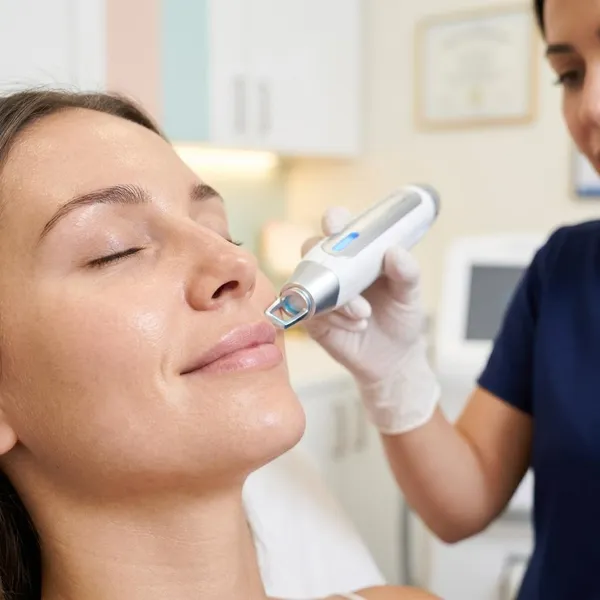
For the most permanent result, electrolysis is usually the best upper lip hair removal method because it treats follicles one by one and does not rely on hair pigment. Laser can still be a very good choice, but it is better described as long-term hair reduction rather than guaranteed removal of every hair.
The quickest way to narrow your choice is to check three things first: whether the hair is dark or light, whether your skin reacts easily, and whether the growth seems stable or hormone-driven. A few stubborn pale hairs and a shadow of coarse dark hair need different plans.
Electrolysis for permanent removal of individual hairs
Electrolysis is the clearest choice when your goal is to remove specific upper lip hairs permanently. A fine probe is used to treat each follicle, so it can work on dark, blonde, gray, red, white, or mixed-color hair.
It suits someone who has a handful of visible hairs that keep coming back, light hairs that laser cannot target well, or leftover hairs after laser. The tradeoff is time: facial hair grows in cycles, so several appointments are usually needed before the area feels consistently clear.
Laser for faster reduction on suitable hair types
Laser is often the better first step if your upper lip hair is dark, coarse, and spread across the area. It can treat multiple follicles quickly, so many people choose it when they are tired of constant threading, waxing, or seeing a shadow return soon after shaving.
- Best fit: darker hair with enough pigment for the laser to target.
- Main benefit: faster visible thinning over the whole upper lip.
- Main limit: some regrowth or future maintenance may still happen.
IPL and temporary methods for lower-commitment options
IPL and temporary methods are useful when you want lower commitment, but they should not be treated as the same thing as permanent removal. At-home IPL may slow regrowth for some people with darker hair, while shaving, dermaplaning, threading, waxing, and sugaring are mainly maintenance choices.
How Hair Type and Skin Affect Upper Lip Hair Removal Results
Upper lip results depend heavily on the hair itself. Dark coarse hair often responds better to laser, while fine light hair usually points toward electrolysis. Skin sensitivity also matters because the upper lip is thin, visible, and easily irritated by heat, pulling, exfoliants, and strong skincare products.
Hormones can complicate the picture. Treatment can remove or reduce existing hair, but hormonal shifts may activate new follicles later, especially with facial hair.

Dark coarse hair compared with fine light hair
Dark coarse upper lip hair usually gives laser the best chance because the device targets pigment in the follicle. If the hair is visibly dark and you want the area to look thinner faster, laser may be the most efficient starting point.
Fine blonde, gray, white, and many red hairs are different. They often do not contain enough pigment for reliable laser results, so electrolysis is usually the more sensible option. A common mistake is paying for laser because it sounds faster, then realizing the hair was never a strong laser target in the first place.
Sensitive skin and irritation concerns
Sensitive skin does not automatically rule out laser or electrolysis, but it does mean you should be more careful with timing and aftercare. Waxing or threading may be too harsh if you use retinoids, acne treatments, exfoliating acids, or strong brightening products around the mouth.
- Before treatment: ask the provider what skincare you should pause and for how long.
- After treatment: keep the area simple with gentle cleansing, moisturizer, and sun protection.
- Between sessions: avoid waxing or tweezing if the follicle needs to remain in place for treatment.
Hormonal hair growth and realistic expectations
Hormonal facial hair can still be treated, but the result may need more patience and occasional maintenance. Hair that becomes noticeably darker or heavier around puberty, pregnancy, perimenopause, or irregular cycles may not behave like a stable patch of body hair.
If upper lip hair appears suddenly, gets much heavier quickly, or comes with acne, irregular periods, or thinning scalp hair, it is sensible to speak with a doctor or dermatologist. Treating the hair can help the appearance, but checking the possible cause can make the long-term plan more realistic.
Electrolysis vs Laser for Upper Lip Hair
The electrolysis vs laser decision is mostly a tradeoff between permanence, speed, and suitability. Electrolysis is more precise and works on any hair color. Laser is faster across a larger patch but works best when the hair has enough pigment.
- Choose by goal first: permanence points to electrolysis; faster reduction points to laser.
- Choose by hair color next: light or gray hair usually needs electrolysis; dark hair may suit laser.
- Choose by maintenance tolerance: laser may need touch-ups; electrolysis often asks for more patience upfront.
Which method offers more permanent results
Electrolysis offers the more permanent result because it is designed to disable individual treated follicles. When a follicle is fully treated, it should not keep producing the same hair.
Laser can give a big cosmetic improvement, but it is usually described as permanent reduction rather than total permanent removal. That difference matters if you would be unhappy with even a few visible hairs returning.
Which method works faster
Laser usually works faster for visible thinning because it can treat many follicles in a short session. For someone with a dark upper lip shadow who wants less daily maintenance as soon as possible, that speed can be the deciding factor.
Electrolysis is slower because each follicle is treated individually. It may still be the better use of time if the hair is light, sparse, mixed in color, or already resistant to laser.
Which option fits different hair colors and budgets
Budget is not only about the price per session. A cheap laser package is poor value if your hair is too light to respond, while electrolysis can feel slower but more targeted on a small area like the upper lip.
- Light, gray, red, or scattered hairs: electrolysis is usually the smarter spend.
- Many dark hairs across the upper lip: laser may reduce the area faster for the money.
- Mixed hair after laser: electrolysis can clean up the remaining visible hairs.
- Hormonal growth: budget for possible future maintenance, whichever method you choose.
How to Choose the Right Upper Lip Hair Removal Method
Pick the method by working from the most important factor to the least important: hair color first, then your goal, then skin tolerance, then budget and convenience. That order prevents the common mistake of choosing the fastest or cheapest option before knowing whether it can actually work on your hair.
Choose electrolysis for the strongest permanent goal
Choose electrolysis if you want the most definitive result, especially for light, gray, red, white, sparse, or stubborn upper lip hairs. It is also a good option when you only have a few hairs that bother you and you would rather target them precisely than treat the whole area.
Choose laser for faster long-term reduction
Choose laser if your hair is dark enough and your main frustration is frequent upkeep. This is the practical route for someone who sees shadow quickly after shaving or gets irritation from constant threading but does not need every follicle permanently removed.
Choose temporary options for occasional maintenance
Temporary options make sense when the hair is minimal, your budget is tight, or you only need smoothness now and then. Shaving or dermaplaning is quick, while threading, waxing, or sugaring may last longer but can irritate the upper lip.
Natural remedies and DIY mixtures may feel appealing, but they should not be relied on for permanent removal. If you are removing the same hair every few days and getting bumps or redness, that is usually a sign to move from temporary maintenance to a more planned professional option.
Conclusion
The most practical choice is simple once you separate true removal from reduction: choose electrolysis when permanence matters most or the hair is light, choose laser when dark hair needs faster thinning, and keep temporary methods for low-commitment maintenance. If your hair pattern is changing quickly or your skin reacts easily, get a professional opinion before spending money on a package that may not match your situation.