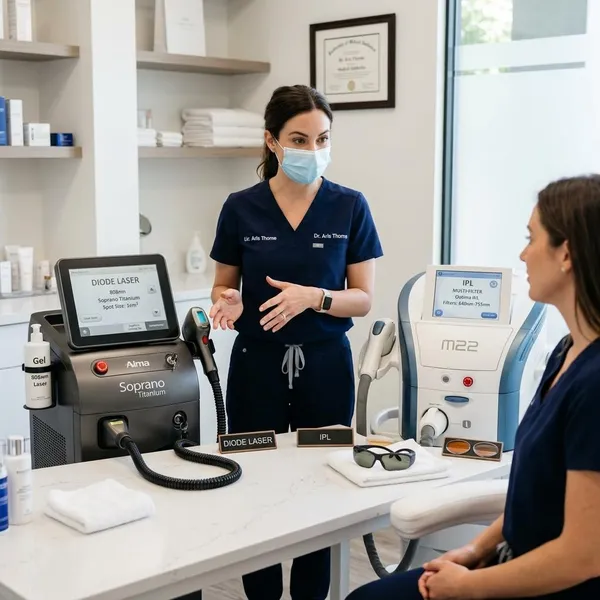
If you want hair gone for good, start with the honest distinction: electrolysis is the option used for true permanent hair removal, while laser and IPL usually reduce growth long term. The best choice depends less on the boldest promise and more on your hair color, skin tone, treatment area, and how much maintenance you are willing to accept.

What Is Permanent Hair Removal?
Permanent removal means a treated follicle can no longer produce a hair. Long-term reduction means fewer hairs grow back, or the regrowth becomes finer, slower, and easier to manage. Those sound similar in ads, but they lead to different expectations.
Electrolysis is the only FDA-recognized permanent hair removal method
In the United States, electrolysis is the only FDA-recognized method for permanent hair removal. It treats follicles individually, so it is slow compared with laser, but that same precision makes it useful when every visible hair matters.
It is often the better match for small areas such as the upper lip, chin, brows, fingers, areola, or scattered hairs left after laser. If you are bothered by ten stubborn light hairs on the face, electrolysis usually makes more sense than buying a large laser package.
Laser and IPL provide long-term hair reduction instead
Laser and IPL are better understood as reduction methods. They can make a big difference, especially on dark coarse hair, but some follicles may recover and new hairs can appear later, particularly in hormonally influenced areas such as the face.
- Laser: stronger, more targeted light treatment, usually done professionally.
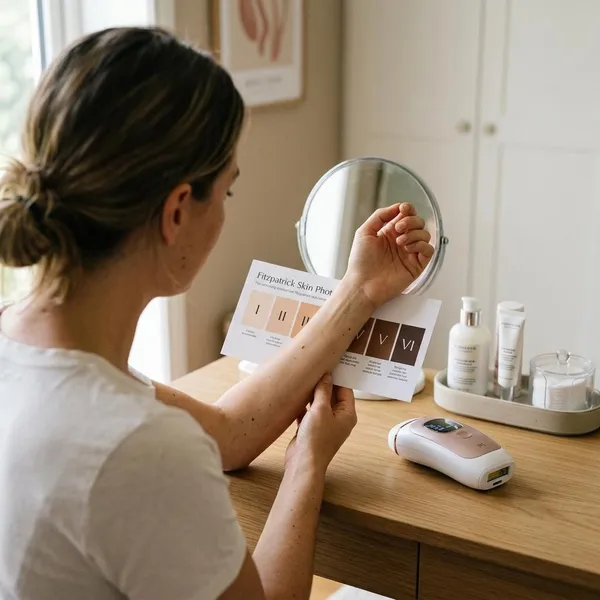
- IPL: broader light energy, often used in home devices for gradual reduction.
- Maintenance: common with both, even after good initial results.
How Electrolysis Achieves Permanent Hair Removal
Electrolysis works by treating the follicle directly instead of relying on color contrast between hair and skin. That is why it can be used on dark, blonde, gray, white, and many red hairs. The tradeoff is time: it is precise, not fast.
How individual hair follicles are treated
A trained electrologist inserts a very fine sterile probe into the natural follicle opening, then applies energy to damage the growth area. The hair is then lifted out with tweezers; it should not need forceful plucking if the follicle has been treated well.
- One follicle at a time: excellent for accuracy, slow for large areas.
- Multiple visits: needed because hairs grow in cycles.
- Technique matters: poor insertion or overtreatment can increase irritation.
Why electrolysis works on different hair colors
Electrolysis does not need melanin in the hair shaft, so it can treat colors that laser and IPL often miss. This is the main reason it is commonly recommended for blonde, gray, white, and red facial hairs.
Benefits limitations and possible side effects
The main benefit is true follicle-by-follicle permanence when treatment is successful. It also works across hair colors and many skin tones, which makes it more flexible than light-based methods.
| Worth choosing electrolysis when | Think twice when |
|---|---|
| You need precise removal on a small visible area | You want to clear very large areas quickly |
| Your hair is light, gray, white, red, or mixed | You cannot commit to repeated appointments |
| You want leftover hairs removed after laser | Your skin is reacting poorly and the provider cannot explain why |
How Laser Hair Removal Works for Long-Term Reduction
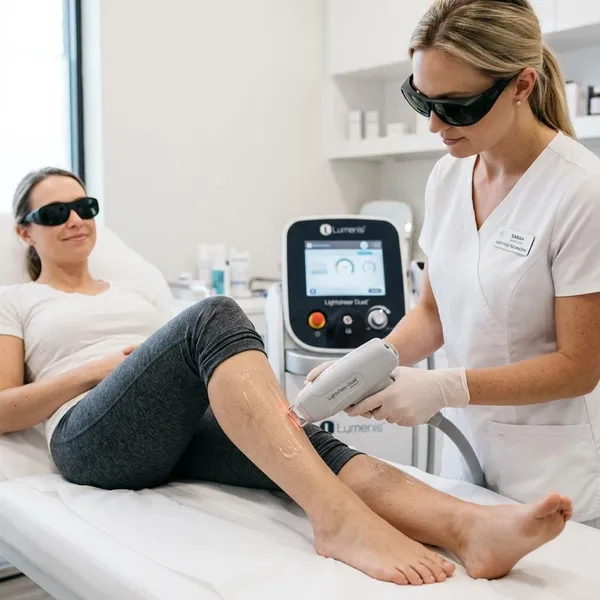
Laser hair removal is usually the practical choice when you want noticeable reduction over a larger area. It can treat many follicles at once, so it is much faster than electrolysis for legs, underarms, chest, back, or the bikini line. The result is often smoother skin and less shaving, not a guarantee that every follicle is gone forever.
How laser energy targets hair pigment
Laser devices send concentrated light into the skin. Pigment in the hair absorbs that light and converts it into heat, which can damage the follicle enough to reduce future growth.
Best candidates based on skin tone and hair color
The classic strong candidate is someone with dark hair and lighter skin, but newer professional laser systems have made treatment more accessible for many darker skin tones. The key is whether the clinic has the right device and enough experience with your complexion.
Do not judge by skin tone alone. A good consultation should also ask about tanning, medications, active skin irritation, and whether you have a history of hyperpigmentation or unusual scarring.
Results timeline and maintenance needs
Laser results build over a course of sessions because only some hairs are in the right growth phase at each appointment. Many people need several sessions for strong reduction, and the exact number varies by area, hair density, hormones, and device type.
Expect the first meaningful change to be slower regrowth, softer texture, or fewer ingrown hairs rather than instant bare skin. For someone with dark underarm hair before summer, laser can be a very practical reduction plan. For someone with hormonal facial growth year-round, it may still help, but touch-ups are more likely.
How At Home IPL Fits Into Hair Removal
At-home IPL is best seen as a convenience option for gradual reduction, not a replacement for electrolysis or professional laser. It can be useful if your hair and skin match the device chart and you are consistent with the schedule. It is less convincing if you want fast clearing, true permanence, or treatment on hair colors that light devices cannot target well.
How IPL differs from laser treatment
IPL uses broad-spectrum light rather than a single focused laser wavelength. Home devices are also designed with lower power and built-in limits for consumer use, which can make them more accessible but usually slower and less dramatic than in-office treatment.
Who may benefit from home IPL devices
Home IPL may suit someone with brown or black hair and a compatible light to medium skin tone who wants to reduce shaving on legs, arms, underarms, or another device-approved area. It can also be useful for a privacy-focused person who prefers short sessions at home over repeated clinic appointments.
Limits safety concerns and realistic expectations
Home IPL usually performs poorly on blonde, gray, red, or white hair. It may also be unsuitable for deeper skin tones or recently tanned skin because the light can interact with skin pigment as well as hair pigment.
Common reactions include warmth, mild redness, or temporary irritation. Stop if you see blistering, strong pain, burns, or unusual dark or light patches. A patch test and careful reading of the manual are not optional with this kind of device.
A good expectation is less regrowth and longer gaps between shaving, not permanent clearance. If you want to remove a few stubborn pale facial hairs, save the IPL money and look at electrolysis instead.
Choosing the Best Method for Your Skin Hair and Treatment Area
Choose by matching the method to the problem in front of you. Hair color comes first, then skin safety, then treatment area and convenience. Price matters, but a cheaper method is wasted money if your hair cannot respond to it.
| Your situation | Usually the better starting point |
|---|---|
| Small area, light or mixed-color hairs | Electrolysis |
| Large area with coarse dark hair | Professional laser |
| Compatible hair and skin, modest at-home reduction goal | Home IPL |
| Darker skin tone or recent tanning | Professional assessment before light-based treatment |

Conclusion
If you want the most permanent result on individual follicles, electrolysis is the method to compare everything else against. If your goal is easier grooming over a larger area, professional laser may be the better practical choice, while home IPL is only worth considering when your hair, skin, and patience match the device. The safest decision is the one that fits your actual hair type and area, not the one with the strongest promise.