
Most permanent hair removal side effects are short-lived skin reactions, not lasting damage. Redness, small bumps, mild swelling, tenderness, and temporary sensitivity are common after laser hair removal or electrolysis, while burns, blisters, scarring, and pigment changes need more caution. The safest approach is to judge your reaction by severity and whether it improves over the next day or two.
What side effects can permanent hair removal cause?
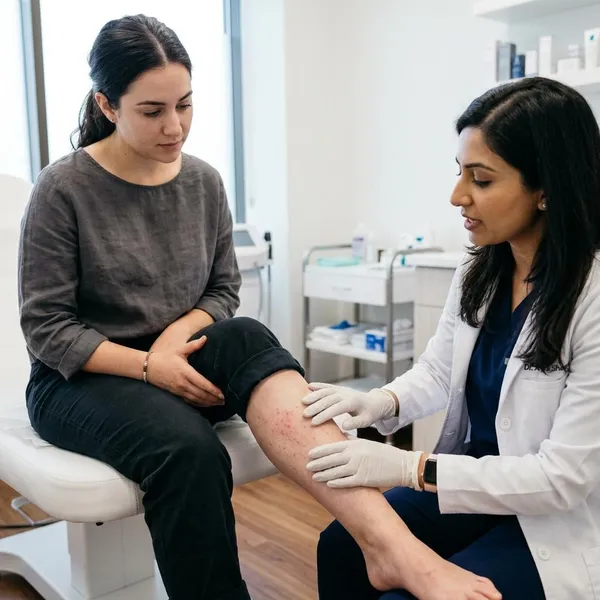
Permanent hair removal can irritate the skin because the treatment targets hair follicles with heat, electrical current, or focused energy. A mild local reaction is expected for many people, especially after the first session or in areas with dense, coarse hair.
Redness and mild swelling
Redness and mild swelling usually appear around individual follicles, almost like tiny raised dots or a mild shaving rash. This is common after laser sessions and can also happen after electrolysis because the follicle has been irritated on purpose.
On the legs, the reaction may look mild and fade quickly. On the upper lip, underarms, or bikini line, the same level of treatment can look more dramatic because the skin is thinner, the hair is coarser, or clothing causes friction.
Tenderness and skin sensitivity
Treated skin may feel warm, tight, prickly, or slightly sore when touched. If clothing rubs the area, or if you wash with hot water too soon, that sensitivity can feel worse than it actually is.
Temporary pigment changes
Temporary pigment changes can show up as darker or lighter patches after treatment. They are more likely when skin has been recently tanned, is already inflamed, or is treated with settings that are too aggressive for that skin type.
- Darker marks: often linked with inflammation and sun exposure.
- Lighter patches: may happen if pigment cells are affected.
- Delayed appearance: uneven color can become clearer several days later.
Burns, blisters, or scarring
Burns, blisters, and scarring are not routine side effects. Warning signs include intense heat, sharp pain, blistering, broken skin, crusting, oozing, or a clearly worsening patch after treatment.
Do not pick, scrub, exfoliate, or cover the area with random home remedies. Keep it clean and protected, then contact the provider or a medical professional, especially if the skin is open, very painful, or showing signs of infection.
Common side effects after treatment
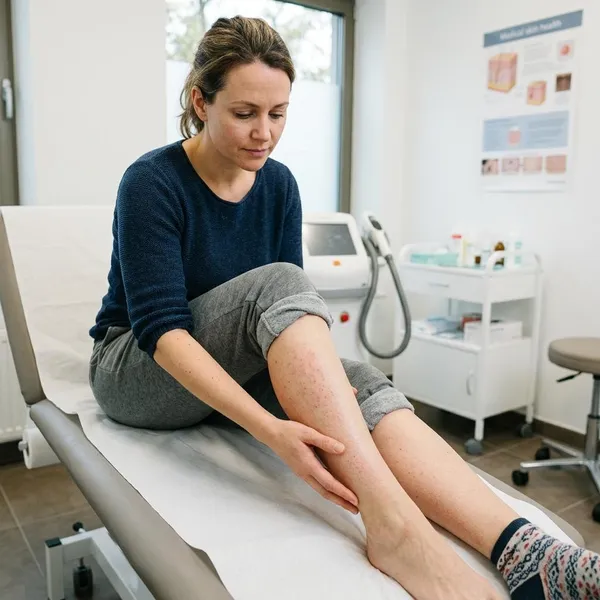
The common side effects are usually local and temporary. They should gradually calm down rather than expand, darken sharply, or become more painful. A useful rule is simple: mild and improving is usually reassuring; intense or worsening needs advice.
Redness around treated follicles
Redness around treated follicles is one of the clearest signs that the follicle has responded. It may look like small red dots instead of one large rash, especially after laser hair removal on areas with visible coarse hair.
Friction can make this last longer. If you treat the bikini line and then wear tight leggings, or treat the underarms and use deodorant too soon, a mild reaction can become more irritated.
Mild swelling
Mild swelling often stays close to the follicle and may make the skin look slightly bumpy. Facial areas can puff up more noticeably, even when the reaction is still mild.
A cool compress can help, but avoid placing ice directly on treated skin. If swelling spreads widely, becomes painful, or appears with hives or breathing symptoms, get medical help promptly.
Itching or tenderness
Itching or tenderness can happen as the skin settles. The main mistake is scratching, because broken skin is more likely to sting, crust, or become infected.
- Better choice: use a plain soothing moisturizer if your provider allows it.
- Avoid: scratching, shaving over irritated bumps, or applying perfume-heavy creams.
- Watch closely: tenderness that gets worse instead of better.
Temporary skin sensitivity
Temporary skin sensitivity means the area reacts more than usual to heat, products, sweat, or touch. This is especially common after a first appointment because you do not yet know your skin's normal response.
For someone treating a small patch on the lower legs, sensitivity may barely affect the day. For someone treating the upper lip before an event, even mild redness or stinging can feel more noticeable, so it is smarter not to book a first session right before a wedding, holiday, or photoshoot.
What increases the risk of side effects?
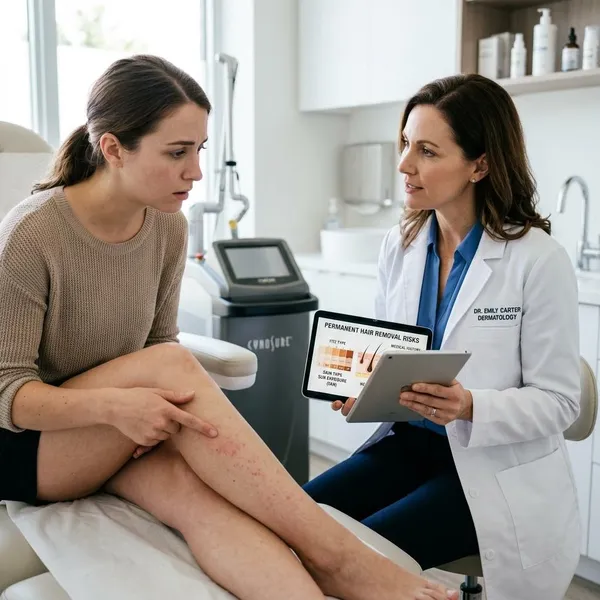
Side effects become more likely when the skin is already stressed or when treatment is not matched to the person. The biggest checks before an appointment are recent sun exposure, skin irritation, medication or product use, and whether the provider has experience with your skin tone and hair type.
Recent tanning or sun exposure
Recent tanning is one of the most avoidable risks. Tanned skin contains more pigment, and with laser treatment that can mean the skin absorbs more energy than intended.
This does not only mean a beach holiday. Outdoor work, weekend sun, tanning beds, or self-tanner can all affect how the skin looks and responds. If the treatment area is darker than usual or even slightly sunburned, delaying the session is often the safer choice.
Incorrect treatment settings
Settings need to match skin tone, hair thickness, treatment area, and previous reactions. Too little energy may do very little; too much can overheat the skin.
| What to ask before treatment | Why it matters |
|---|---|
| Have you treated my skin tone before? | Different skin tones need different caution. |
| Will you adjust settings by area? | Upper lip, bikini line, and legs may not react the same way. |
| Can we do a patch test? | It shows how your skin responds before a full area is treated. |
Sensitive or irritated skin
Skin that is already inflamed is more likely to react badly. Active eczema, dermatitis, razor burn, acne irritation, recent waxing, or a damaged skin barrier can make normal treatment feel harsher.
Strong skincare can matter too. Retinoids, exfoliating acids, and harsh scrubs may leave the skin more reactive, so tell the provider what you use rather than guessing on your own.
Poor treatment technique
Poor technique can cause preventable problems even with a good device. Heavy overlapping, rushing, treating over unsuitable skin, or failing to watch how the skin reacts during the session can increase the chance of burns and uneven irritation.
For electrolysis, precision matters because each follicle is treated individually. If insertions are inaccurate or too aggressive, soreness and tiny scabs can be worse than expected.
Poor aftercare
Poor aftercare often turns a mild reaction into a longer one. Heat, sweat, friction, exfoliation, and sun exposure are common reasons treated skin stays red or irritated.
How long do side effects usually last?
Mild reactions often improve within hours to a couple of days, but the exact timing depends on the area treated, your skin sensitivity, and the method used. Electrolysis may leave tiny follicle marks for longer in some people because each follicle is treated separately.
Do not judge only by the clock. Judge by the direction of healing. Skin that is steadily less red, less sore, and less swollen is usually behaving normally. Skin that becomes hotter, more painful, blistered, or wet-looking needs advice.
Mild redness often settles quickly
Mild redness commonly fades the same day or by the next day, though coarse-hair areas can stay pink a little longer. Cooling the skin and avoiding hot showers, workouts, and friction can make a real difference.
Swelling may last longer in sensitive areas
Swelling can last longer on the upper lip, bikini line, underarms, or other delicate areas. Small, local puffiness that improves is usually less concerning than swelling that spreads, throbs, or appears with blistering.
If you are treating a visible area such as the face, leave a buffer before social plans. Even a normal reaction can be inconvenient when it happens somewhere hard to cover.
Pigment changes can take longer to fade
Pigment changes may take weeks or months to fade, especially darker marks after inflammation. They can look worse with sun exposure, so daily protection is more than a cosmetic step.
If a mark is not improving, is spreading, or is paired with texture changes, a dermatologist or qualified clinician can check whether it is still temporary pigmentation or something that needs treatment.
Persistent symptoms need professional advice
Persistent symptoms need professional advice when they are not clearly improving or when they include pain, blisters, crusting, discharge, spreading redness, or a change in skin texture.
- Check the area in good light. Look for blisters, open skin, sharp borders, or spreading redness.
- Compare day by day. Improvement is reassuring; worsening is not.
- Protect the skin while waiting for advice. Avoid sun, heat, friction, and picking.
How to reduce hair removal side effects
You cannot remove every risk, but you can lower it by preparing the skin properly and choosing a provider who does not treat every client the same way. The safest plan starts before the appointment, not after a reaction appears.
Put the big items first: no recent tanning, no active irritation, appropriate settings, and clear aftercare. Smaller details matter too, but those are the checks most likely to prevent the side effects people regret.
Choose an experienced provider
Choose someone who asks about your skin tone, medical history, medications, recent sun exposure, previous reactions, and skincare routine before treating you. A rushed consultation is a warning sign.
It is reasonable to ask how they handle darker skin tones, sensitive skin, or delicate areas. A careful provider should explain when treatment should be delayed, not just when they can fit you in.
Patch test before full treatment
A patch test is a small trial area used to see how your skin responds. It is especially useful if you have sensitive skin, deeper skin tone, recent sun exposure, or no previous experience with the treatment.
Skipping it may save time, but it also removes one of the simplest safety checks. For a large area such as legs or back, a cautious test spot is usually worth the wait.
Avoid tanning before treatment
Avoid tanning before treatment because it makes laser sessions harder to judge safely. Tell the provider about sun exposure, tanning beds, and self-tanner, even if the color looks subtle to you.
If the area is recently tanned, postponing can feel annoying, but it is often better than dealing with burns or months of uneven color.
Follow proper aftercare
Proper aftercare should be simple and specific. Keep the area cool if needed, cleanse gently, avoid strong skincare, skip heavy sweating for a short time if advised, and do not pick at bumps or shedding hairs.
- Use gentle products: fragrance-free is usually safer on reactive skin.
- Avoid heat: hot showers, saunas, and intense workouts can prolong redness.
- Reduce friction: loose clothing helps after bikini line, underarm, or thigh treatment.
- Ask for written advice: vague aftercare instructions are easy to misread.
Protect treated skin from the sun
Protecting treated skin from the sun helps reduce lingering redness and pigment changes. Use shade, clothing, and broad-spectrum sunscreen when the area is exposed and your provider says sunscreen is suitable for the treated skin.
Conclusion
The practical way to think about permanent hair removal side effects is to separate normal irritation from warning signs. Mild redness, swelling, tenderness, and sensitivity should calm down, while blisters, worsening pain, spreading redness, or lasting color changes deserve professional advice. If your skin is tanned, irritated, or being treated by someone who skips proper checks, waiting or choosing a better provider is the safer decision.


