Permanent hair removal cost is best judged by the full treatment plan, not the price of one session. Laser usually gives the strongest value for larger areas, electrolysis is the better choice when true permanence or light hair matters, and at-home IPL is cheapest upfront but takes the most self-discipline. Before booking, compare the method, the number of sessions, what counts as the treatment area, and whether maintenance will be needed later.

Laser vs Electrolysis vs IPL Cost Comparison
The cheapest option on day one is not always the cheapest option after six months. Laser, electrolysis, and IPL use different technology, so the real comparison is cost per useful result: how much hair is reduced, how long it lasts, and how much effort you still have to put in.
| Method | Best fit | Cost pattern | Main tradeoff |
|---|---|---|---|
| Laser | Dark, coarse hair on medium or large areas | Moderate to high per session, often sold in packages | Usually reduces hair very well, but may need touch-ups |
| Electrolysis | Small areas, light hairs, or complete follicle removal | Often billed by time, so large areas become expensive | Precise and permanent, but slow |
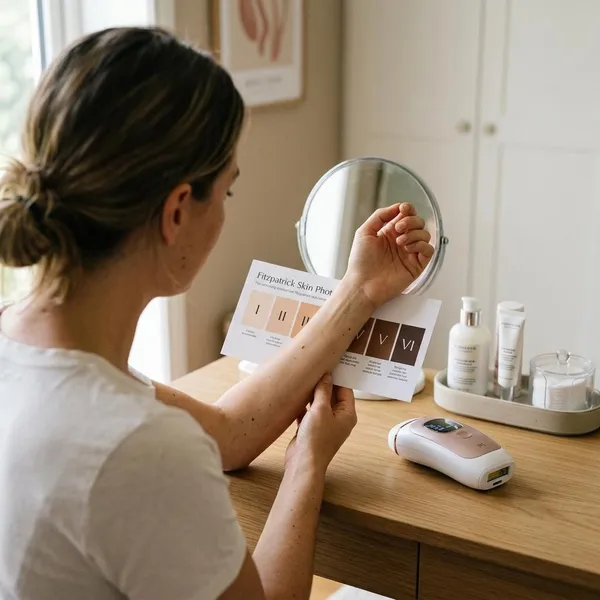
| At-home IPL | Lower-budget users who can treat consistently at home | One device purchase, often around $150 to $600 | Convenient, but weaker than professional treatment |
Permanent Hair Removal Cost by Treatment Area
Treatment area changes the price more than most people expect. A clinic may advertise an affordable "starting from" price, but that usually applies to a small zone. For fair comparison, ask each provider to define the area, session count, and package terms in writing.
Small areas like upper lip chin and underarms
Small areas often range from about $50 to $250 per laser session, depending on the clinic and city. Upper lip and chin treatments are quick, but facial hair can be influenced by hormones, so maintenance may be more likely than with underarms.
Underarms are often a good first laser area because the zone is small and the hair is usually coarse. If you are nervous about spending thousands, starting here lets you test the provider, your skin response, and the real appointment experience before committing to larger areas.
Medium areas like bikini line and combined zones
Bikini line, Brazilian, half legs, lower arms, and combined facial zones usually sit in the middle price range. A bikini line may be quoted around $100 to $350 per session, while more extended bikini or Brazilian treatments often cost more.
Large areas like full legs back and full body
Large areas can cost several hundred dollars per session and sometimes over $1,000 at higher-priced clinics. Full legs, back, chest, and full-body plans are expensive because they take more time, but they may still offer better value per square inch than repeatedly treating small areas separately.
- Pick the highest-payoff area first. Choose the zone that causes the most shaving irritation, ingrown hairs, or daily hassle.
- Multiply by the full series. A single $200 visit becomes $1,200 to $1,600 across 6 to 8 sessions.
- Check whether touch-ups are extra. A cheaper package may cost more later if maintenance is billed at full price.
What Affects the Total Cost of Hair Removal?
The final bill depends on more than the body part. Hair color, density, skin tone, provider skill, technology, location, and add-on fees can all change the number of sessions needed. The most important question to ask is: "What will this likely cost to reach my goal, not just to start?"
Number of treatments needed
Session count is usually the biggest cost driver. Laser needs repeated visits because hair grows in cycles, while electrolysis needs time because each follicle is treated separately. If a provider promises complete permanent results in only one or two sessions, treat that as a warning sign.
Hair density and treatment area size
Dense hair can make a treatment plan longer, but coarse dark hair may also respond better to laser than fine pale hair. That is why two people treating the same lower legs can receive different estimates.
If your hair is blonde, red, gray, or white, ask directly whether laser is likely to work before buying a package. Paying for the wrong method is one of the easiest ways to waste money on permanent hair removal.
Technology provider experience and location
Better equipment and a more experienced provider can cost more, but price should be judged against safety, settings, and likely efficiency. This matters more for deeper skin tones, sensitive skin, or areas where irritation and pigmentation changes would be especially upsetting.
Location also affects pricing. Clinics in large cities or higher-rent neighborhoods often charge more, but a higher price does not automatically prove better care. Look for clear consultations, realistic expectations, appropriate device choice, and transparent pricing.
Package pricing and additional fees
A package can be a good deal when you already trust the clinic and the number of sessions matches your expected needs. It is less useful if the package expires too quickly, excludes basic aftercare guidance, or charges separately for things you assumed were included.
- Ask for the full recommended series price. Do not compare one clinic's single-session quote with another clinic's package quote.
- Confirm consultation and patch-test fees. These may be included, free, or billed separately.
- Check cancellation and expiration rules. Strict policies can reduce the value of a discounted package.
- Ask who performs the treatment. Provider experience can affect both safety and results.
How Much Should You Budget for Permanent Hair Removal?
A realistic budget starts with your goal. If you want less shaving before summer, your budget may be smaller and more flexible. If you want long-term clearance on facial hair or a full-body laser plan, you need to plan for a full series, possible maintenance, and a buffer for extra sessions.
Choose the method that matches your goal
Choose laser if you want efficient reduction across areas such as underarms, bikini line, legs, chest, or back. Choose electrolysis if the area is small, the hairs are light, or the goal is permanent removal rather than broad reduction. Choose IPL only if lower upfront cost and at-home convenience matter more than speed or maximum results.
Estimate sessions and maintenance costs
For laser, start with a rough estimate of 6 to 8 sessions, then add room for extra visits if the area is hormonal, dense, or slow to respond. For electrolysis, ask for an estimated treatment timeline in hours, not just the price of a 15-minute or 30-minute appointment.
For IPL, include the time cost. A device that sits unused in a drawer is not cheaper than a clinic package; it is just a delayed decision.
Compare package prices and included services
When comparing packages, build a simple side-by-side note with the same details for each provider: treatment area, number of sessions, device type, who performs the treatment, expiration date, maintenance pricing, and refund rules. This prevents a low advertised price from hiding weak value.

How to Save Money on Permanent Hair Removal
The safest way to save money is not to chase the lowest price. It is to avoid paying for the wrong method, unclear packages, or treatments that are unlikely to work for your hair and skin combination.
Compare treatment packages
Get quotes from two or three providers before committing. A good comparison should show the total series price, what body zones are included, and whether maintenance is discounted. If one quote is far cheaper, ask what is different rather than assuming you found the same service for less.
Look for seasonal promotions and payment options
Promotions can be worthwhile when they apply to the exact area and number of sessions you already planned to buy. Holiday sales, slower-season discounts, or bundled areas may lower the total cost without lowering treatment quality.
Payment plans can help with cash flow, but read the terms. Interest, admin fees, or non-refundable deposits can turn an attractive monthly price into a more expensive package overall.
Avoid choosing only based on the lowest price
A very cheap offer can become expensive if the device is not suitable, appointments are rushed, or the provider gives unrealistic promises. You want a clinic that is willing to say when laser is not the right choice, especially for light hair or situations where electrolysis would be more appropriate.
- Do not buy a large package at the first visit. Start smaller if you are unsure about the provider.
- Avoid vague "full body" deals. Get the included zones listed before paying.
- Be careful with permanent-result promises. Strong reduction is common with laser, but guaranteed total removal is not a safe assumption.
- Value convenience honestly. Less shaving, fewer ingrown hairs, and fewer waxing appointments can make a higher upfront cost worthwhile.
Conclusion
The best permanent hair removal cost is the one that matches the result you actually want. Laser is usually the practical choice for larger dark-hair areas, electrolysis is worth considering for small or light-hair problems, and IPL only makes sense if you will use it consistently. Get the full treatment estimate in writing before paying, because the real value is in the final outcome, not the cheapest first appointment.