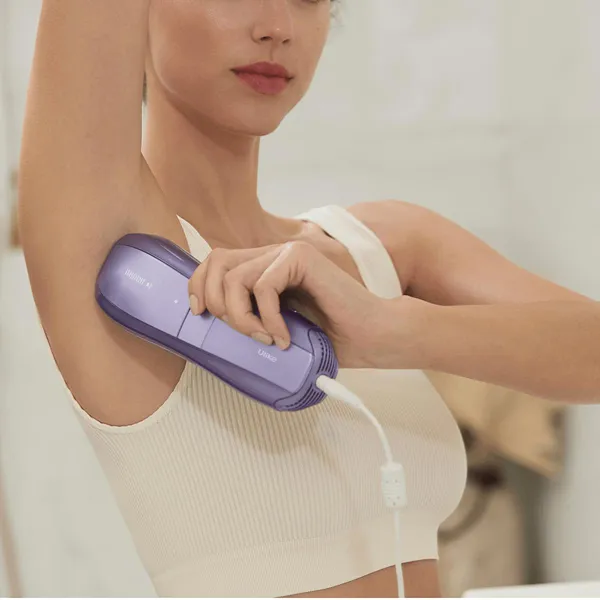
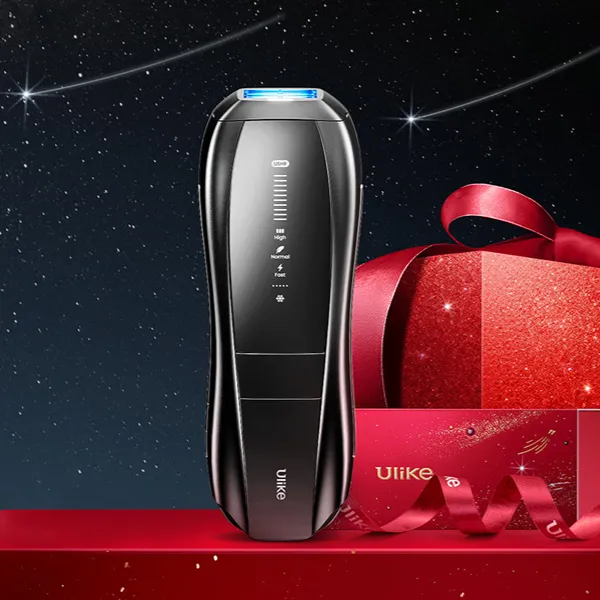
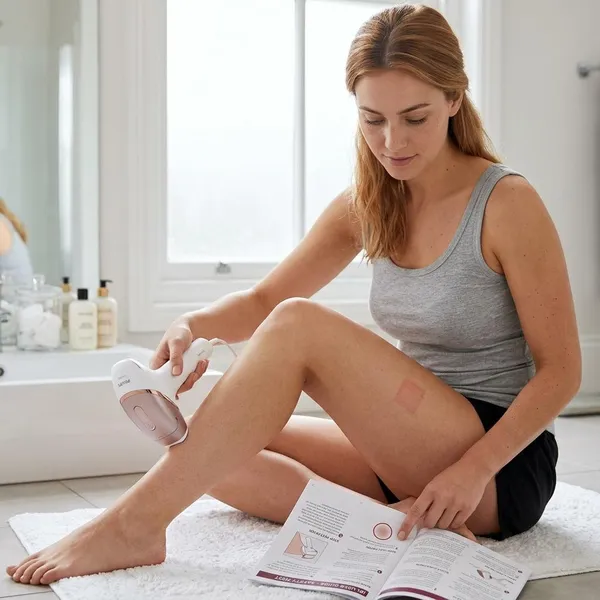
At home, "permanent" underarm hair removal usually means reducing hair growth for a long time, not making every hair disappear forever. If your underarm hair is dark and your skin tone is compatible with the device, IPL is the most realistic home option; shaving, waxing, and sugaring are better for short-term smoothness or maintenance.
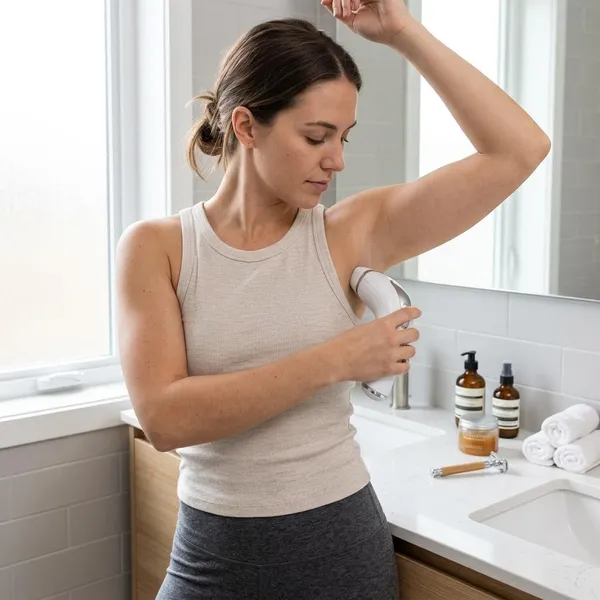
Best At Home Options for Underarm Hair Removal
The first thing to decide is whether you want quick smoothness or actual hair reduction. Shaving is cheap and fast, waxing or sugaring lasts longer, and IPL is the only common home method that tries to slow regrowth by affecting the follicle.
IPL devices for long-term underarm hair reduction
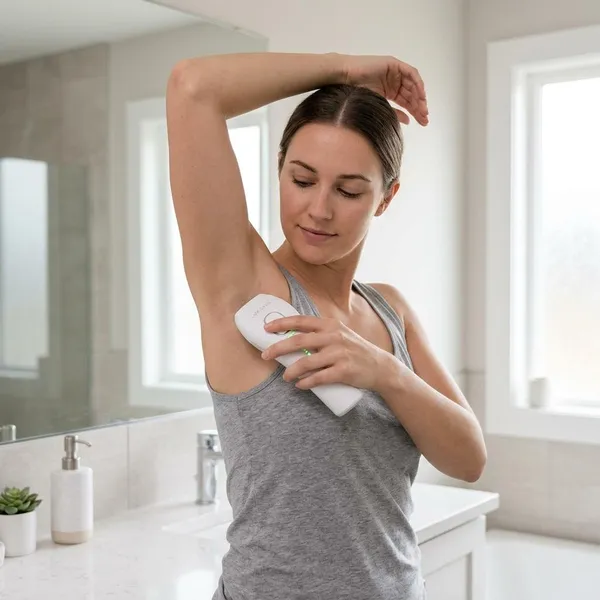
IPL devices are the strongest at-home choice for long-term underarm hair reduction. They use pulses of light to target pigment in the hair, which can gradually weaken the follicle so hair grows back slower, finer, or in fewer patches.
This is not the same as guaranteed permanent removal. A realistic good result is needing to shave less often and seeing lighter regrowth after consistent use. IPL is most promising when the underarm hair is brown or black and the surrounding skin is within the device's approved range.
- Best fit: dark underarm hair, compatible light to medium skin tone, and patience for several weeks of sessions.
- Less ideal: very light, red, gray, or white hair because there may not be enough pigment for the light to target.
- Main commitment: regular treatments first, then occasional maintenance when hair starts returning.
Shaving for quick maintenance
Shaving is still the easiest option when you need underarms smooth today. It removes hair at the surface, so it will not reduce future growth, but it is practical, inexpensive, and useful between IPL sessions.
For IPL users, shaving is usually the right preparation because the hair root remains under the skin. Avoid dry shaving right before treatment if your underarms get irritated easily; a rushed shave can make IPL feel sharper than it needs to.
Waxing and sugaring for temporary smoothness
Waxing and sugaring pull hair from the root, so they usually keep underarms smooth longer than shaving. They can be a good choice if you want a few weeks of lower maintenance without buying a device.
The trade-off is comfort and timing. Underarm skin is delicate, and both methods can cause redness, tenderness, or ingrown hairs. They also do not pair well right before IPL because IPL needs the root in place to target the follicle.
| Goal | Best home method | What to watch |
|---|---|---|
| Same-day smoothness | Shaving | Use gentle pressure to reduce bumps and irritation. |
| Two to four weeks without shaving | Waxing or sugaring | Skip if the skin is already sore or freshly irritated. |
| Less regrowth over time | IPL | Check skin tone and hair color compatibility first. |
How Does IPL Work on Underarm Hair?
IPL works by using light energy to heat pigment in the hair. When enough energy reaches the follicle, the hair can grow back more slowly and less strongly over repeated sessions.
How IPL light targets pigment in hair follicles
IPL depends on contrast. Dark hair absorbs the light more readily, while the surrounding skin should absorb as little as possible. That is why many devices work best on darker hair with lighter or medium skin tones.
If the hair is blonde, gray, white, or red, there may not be enough melanin for the device to work well. If the skin is too dark for the device's range, the skin may absorb more light than intended, which can raise the risk of burns or pigment changes.
Why multiple sessions are required
One session cannot catch every underarm hair at the right moment. Hair grows in cycles, and IPL is most useful when a follicle is in its active growth phase.
Why underarm hair often responds well to IPL
Underarm hair often gives IPL a better target because it tends to be coarse, dark, and concentrated in a small area. A session can take only a few minutes, which makes it easier to stay on schedule than treating larger areas like legs.
Is At Home IPL Safe for Underarms?
At-home IPL can be safe for underarms when the device is suitable for your coloring and the skin is calm before treatment. The main safety mistake is treating skin that is irritated, freshly inflamed, covered in deodorant residue, or outside the device's approved skin tone range.
Best skin tone and hair color combinations
The easiest match for many home IPL devices is light to medium skin with brown or black hair. In that combination, the device has a clearer target and a lower chance of heating the surrounding skin too much.
A skin tone sensor can help, but it should not replace the brand's chart. Use the chart for the underarm area specifically, because underarm skin can be darker or more sensitive than nearby skin.
Skin types and hair colors requiring extra caution
Be more cautious if you have dark skin, a history of hyperpigmentation, very sensitive skin, or hair that is blonde, red, gray, or white. These are the situations where home IPL may be less effective, less safe, or both.
- Do not treat over tattoos, raised moles, broken skin, or active rashes.
- Pause after irritation. Razor burn, strong deodorant reactions, or chafing can make IPL feel worse.
- Ask a professional if you are near the edge of the device chart. Guessing is not worth a burn or dark mark.
Someone with very dark underarm hair and compatible skin may be a reasonable home IPL candidate. Someone with light hair or a skin tone the device does not approve is better off looking at professional options before spending money on a home device.
Patch testing and sensitivity considerations
Patch testing is worth doing even if the device looks simple. Treat a small underarm spot at the suggested starting level, then wait the time recommended by the manufacturer before doing the full area.
Mild warmth or short-lived redness can happen. Strong pain, blistering, swelling, or lasting discoloration is a stop sign, not something to "push through." For comfort, use IPL on clean, dry skin and avoid deodorant, oils, acids, retinoids, or harsh exfoliants right before treatment.
How Often Should You Use Underarm IPL?
Most home IPL routines start with regular sessions for several weeks, then switch to maintenance once regrowth slows. The exact timing should follow the device manual because power levels and recommended schedules vary.
Using IPL more often than directed usually does not speed up results. It is more likely to irritate underarm skin, especially if you also shave, sweat, use deodorant, or wear tight clothing that rubs the area.
The first 8 to 12 weeks of treatment
Many devices use a weekly or every-two-week schedule during the first 8 to 12 weeks. Treat this phase like a routine, not a one-off experiment.
Underarms are a good area for beginners because each session is short. If you are trying IPL before summer, start well before you want visible results; beginning a week before a holiday is more likely to disappoint than help.
When visible hair reduction usually appears
Early changes often show after a few sessions: slower stubble, softer regrowth, or small patchy areas where hair seems thinner. More noticeable reduction commonly takes the full starting phase.
If nothing changes after consistent use, do a practical check before blaming the device: did you shave instead of wax, cover the full area, use the recommended schedule, and stay within the approved skin and hair range? If yes, your hair or skin may simply not be a strong match for home IPL.
Maintenance sessions after initial results
Maintenance depends on how your underarm hair returns. Some people only need occasional touch-ups, while others need a session every few weeks to keep regrowth under control.
This is where home IPL feels more like long-term management than permanent removal. For daily shavers, even needing maintenance can still be a win if it reduces stubble, bumps, and last-minute shaving.
When Professional Underarm Hair Removal Is Better
Professional treatment is worth considering when home IPL is unlikely to work for your coloring, when your skin reacts easily, or when you want the strongest chance of lasting reduction. It can cost more, but it may save time if a home device would be a poor match from the start.
When home IPL does not match your skin or hair type
Choose professional advice first if your skin tone is outside the home device range, your hair is very light, or you have a history of burns, pigment changes, or strong reactions after hair removal. Clinics may have more adjustable technology and trained oversight, which matters more in higher-risk situations.
When electrolysis is better for permanent removal goals
Electrolysis is the better fit when your goal is true permanent hair removal rather than long-term reduction. It treats follicles one by one, so it is slower than IPL or laser, but underarms are small enough that the process can be more manageable than treating large body areas.
It is also an option for hair colors that light-based devices often miss, including gray, red, blonde, and white hair. If you want the most permanent route and can commit to appointments, electrolysis is usually the clearer choice than buying another home device.
Conclusion
If your underarm hair is dark, your skin tone fits the device, and you are willing to stay consistent, at-home IPL is the best home route for noticeably less regrowth. If you need smooth skin right away, shave or wax; if your coloring is not IPL-friendly or you want the closest thing to true permanence, professional laser or electrolysis is the more sensible investment.