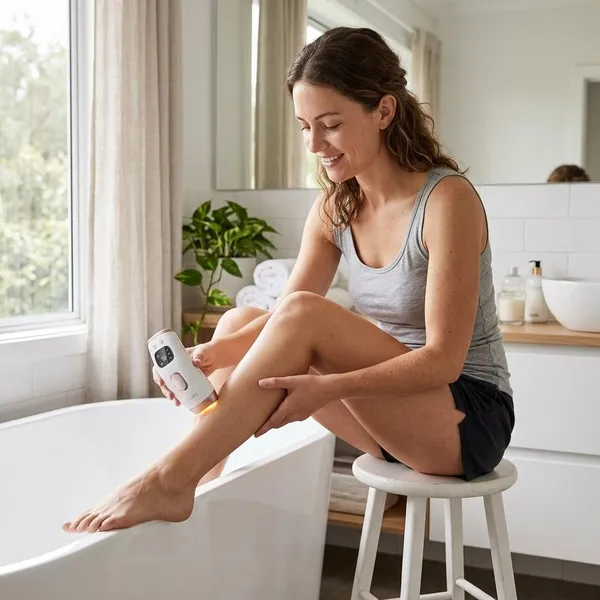
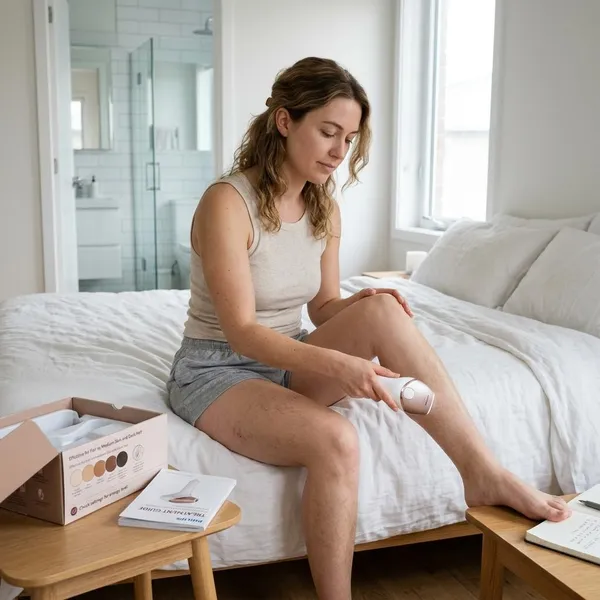
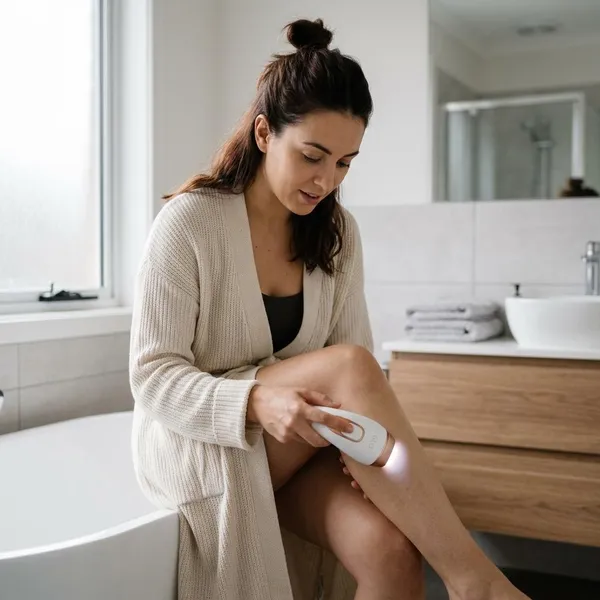
IPL hair removal is not permanent in the "never grows back again" sense. It is better to treat it as long-term hair reduction: good IPL results can mean fewer hairs, slower regrowth, and less shaving, but most people still need touch-ups to keep the result.
Is IPL Hair Removal Permanent?
The practical answer is: IPL can make hair growth much easier to manage, but it should not be sold or expected as guaranteed permanent removal. If your goal is to stop shaving every few days, IPL may be useful. If your goal is to remove every treated hair forever with no upkeep, it is likely to disappoint.
IPL provides long-term hair reduction rather than guaranteed permanent removal
IPL uses light energy to target pigment in the hair and heat the follicle. When a follicle responds well, it may produce weaker, finer hair or stay inactive for a long time. That is why many people describe the result as smoother skin rather than total hair removal.
Why treated hair can grow back over time
Hair can grow back because IPL does not affect every follicle equally. Hair grows in cycles, and IPL works best when the hair is in its active growth phase. Follicles that were resting during treatment, only partly weakened, or later stimulated by hormones can produce hair again.
- Missed growth phases: one session only catches some active hairs.
- Partly affected follicles: some recover and start growing again.
- Hormonal influence: areas like the chin, upper lip, and bikini line can be more stubborn.
- Device strength: home IPL is convenient but often needs more patience than clinic-based treatments.
Why maintenance sessions are usually needed
Maintenance is the part that keeps IPL results from slowly fading. After the first treatment phase, touch-ups deal with new active hairs and follicles that were not fully disabled.
For casual body-hair reduction, maintenance may be occasional. For someone dealing with facial hair, PCOS-related growth, or year-round smoothness for underarms or bikini line, it is safer to expect a more regular upkeep habit rather than a finished "one and done" result.
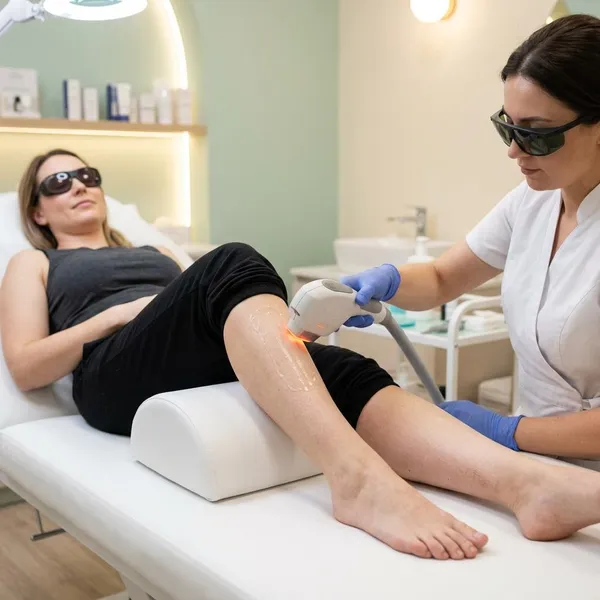
How Long Do IPL Hair Removal Results Last?
IPL results usually build gradually. Some people notice slower regrowth after a few sessions, but the more reliable change tends to appear after a full treatment course. The treated area matters too: legs and underarms often behave more predictably than hormonally sensitive facial areas.
Early results after the first treatment sessions
Early changes are often subtle. Hair may feel softer, grow back more slowly, or return in patchy areas instead of evenly. Some treated hairs may also look like they are still growing before they shed, so judging the result after one or two sessions is usually too early.
Typical timeline for visible hair reduction
Many users start seeing clearer reduction after about 4 to 6 sessions, with a fuller course often taking around 8 to 12 sessions. Device instructions vary, so the schedule should come from the specific device or clinic plan rather than guesswork.
| Stage | What you may notice | How to judge it |
|---|---|---|
| First few sessions | Slightly slower or patchy regrowth | Too early to decide whether IPL is working |
| Middle of the course | Less dense hair and longer gaps between shaving | Progress should be easier to see on dark, coarse hair |
| After a full course | Finer, sparser regrowth | Time to shift from frequent treatments to maintenance |
Long-term maintenance and touch-up sessions
After the main course, touch-ups may be needed every few weeks or every few months, depending on the area and your regrowth pattern. A good practical rule is to maintain when visible regrowth starts becoming annoying again, not after every tiny hair appears.
What Affects How Long IPL Results Last?
The biggest factors are not all under your control. Hair color, skin tone, growth cycle, hormones, and how consistently you treat the area all affect whether IPL results last for months or need frequent touch-ups.
Hair color thickness and growth cycle
IPL usually works best on dark, coarse hair because there is more pigment for the light to target. Blonde, red, grey, white, or very fine hair is harder to treat and may show weaker results.
The growth cycle is just as important. If treatments are too random, fewer hairs are caught in the active phase, and the final reduction may be less even. This is one of the most common reasons people think IPL "didn't work" when they actually stopped too soon or skipped the schedule.
Skin tone and device compatibility
Skin tone affects both safety and results because IPL responds to pigment in the skin as well as the hair. The easiest match is often darker hair against lighter skin, but device compatibility varies a lot.
Before buying or using an IPL device, check the brand's skin tone and hair color chart, then be honest about where you fall on it. If your skin tone is near the edge of the approved range, if you tan easily, or if you have a history of pigmentation issues, professional advice is the safer route.
Treatment consistency and correct usage
Consistency matters more than doing one high-intensity session and hoping for the best. IPL depends on repeated treatments over the hair growth cycle.
- Shave first: IPL needs the follicle target, not surface hair absorbing energy.
- Do not wax or pluck between sessions: removing the root can make treatment less effective.
- Use the right intensity: higher is not better if it irritates your skin or is outside the device guidance.
- Cover the area evenly: rushed sessions often leave missed patches.
- Avoid recent tanning: extra skin pigment can increase irritation risk.
Hormones and individual factors
Hormones can make IPL results less predictable. Pregnancy, menopause, PCOS, thyroid issues, certain medications, and other individual factors may encourage new or stronger regrowth even after good reduction.
This does not automatically mean IPL is a bad choice. It means the expectation should change: IPL may still reduce density and texture, but maintenance will likely matter more, especially on the face, bikini line, and lower abdomen.
IPL vs Laser Hair Removal
IPL and laser hair removal are often compared because both aim for long-term hair reduction. The better choice depends less on the word "permanent" and more on your hair and skin match, budget, tolerance for maintenance, and whether you want home convenience or professional treatment.
Differences in technology and treatment method
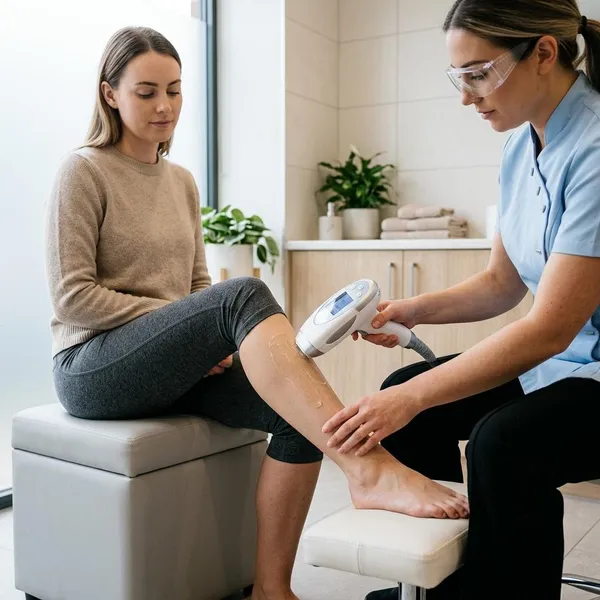
IPL uses broad-spectrum light with multiple wavelengths, while laser hair removal uses a more focused wavelength. In clinic settings, laser treatment is often more targeted and can be adjusted by a trained provider.
Home IPL has a different advantage: convenience. If you are treating larger areas like legs or arms and are comfortable following instructions carefully, doing short sessions at home may fit real life better than booking repeated appointments.
Differences in long-term results and maintenance
Professional laser may produce faster or longer-lasting reduction for some people because the energy is more concentrated. IPL can still give strong results, but it is usually more gradual and more dependent on consistent use.
The maintenance question is important. If you know you will not keep up with home treatments, clinic laser may be worth considering. If you prefer lower ongoing effort per session and can build IPL into your routine, at-home treatment can still be a practical option.
Choosing based on goals budget and expectations
Choose IPL if you want flexibility, are treating suitable hair and skin, and are comfortable with slower progress. Choose laser if you want professional oversight, have stubborn growth, or prefer a stronger treatment plan even if the upfront cost is higher.
- Best fit for IPL: dark body hair, compatible skin tone, patient user, lower-cost home routine.
- Best fit for laser: stubborn areas, need for professional settings, faster-results priority.
- Be cautious with either: unsuitable skin tone, recent tanning, very light hair, or hormone-driven facial hair.

Conclusion
IPL is worth considering if you want less regrowth and fewer shaving or waxing sessions, but it is not the right choice if you expect a permanent, no-maintenance result. Check hair color, skin compatibility, and your willingness to follow a schedule first; if those line up, IPL can be a practical long-term reduction method rather than a permanent removal promise.