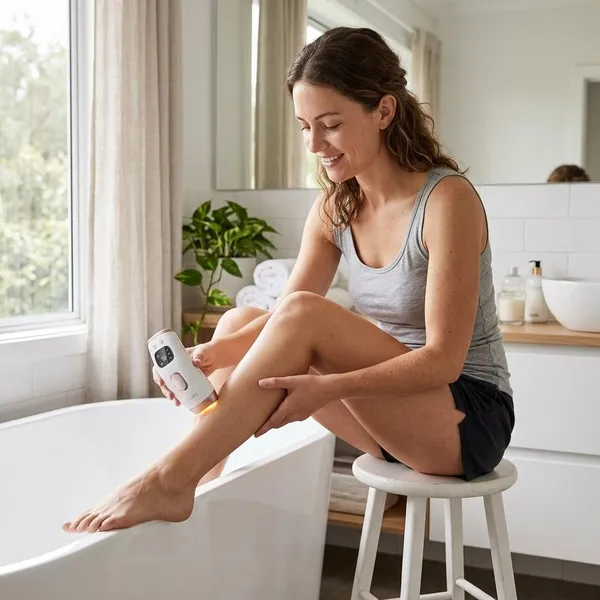
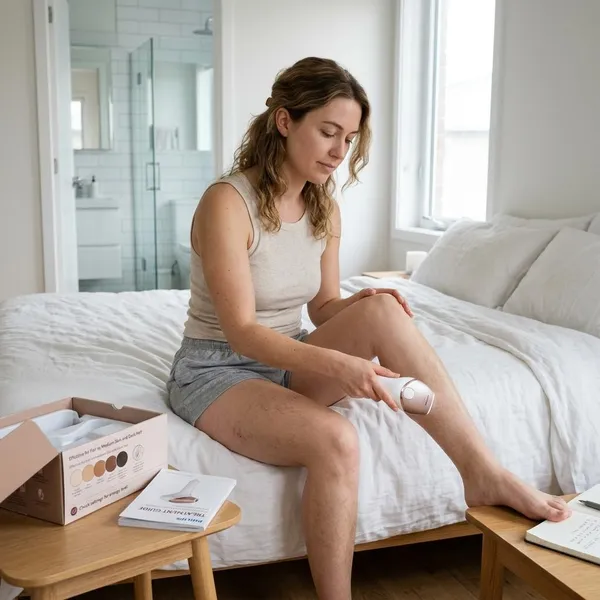
At-home IPL devices do work for many people, but they work best as gradual hair reduction, not instant or guaranteed permanent hair removal. The first things to check are your hair color, skin tone, and whether you can follow the treatment schedule for several weeks. If your hair is dark, your skin tone is within the device's safe range, and you are happy with maintenance, home IPL can be a practical way to shave less often.
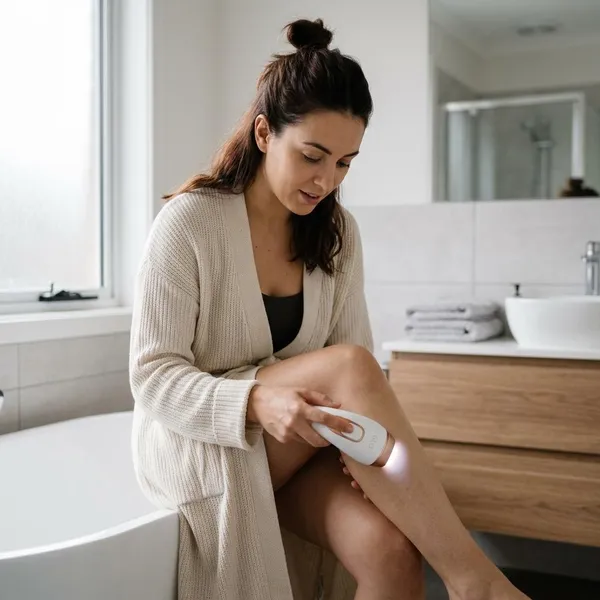
Do At Home IPL Devices Really Work?
Home IPL uses light to target pigment in the hair. When the pigment absorbs that light, heat reaches the follicle and can weaken future growth. That is why the result is usually slower, finer, or patchier regrowth rather than every hair disappearing for good.
At-home IPL can provide long-term hair reduction for suitable users
For suitable users, at-home IPL can give noticeable long-term hair reduction. Legs, underarms, and bikini areas with darker hair often respond better than areas with very fine or pale hair, because the device has a clearer pigment target.
Think of it as reducing the amount of hair you need to manage. A good result might mean shaving every few weeks instead of every few days, or dealing with softer regrowth and fewer rough stubble patches. That is still useful, even though it is not the same as permanent hair removal.
Results depend on skin tone hair color and consistent use
The strongest results usually happen when there is contrast between darker hair and lighter-to-medium skin. Blonde, red, gray, and white hair often respond poorly because there is not enough dark pigment for the light to target. Very dark skin may also be unsuitable for many home IPL devices because the light can be absorbed by skin pigment, raising the risk of irritation or marks.
- Check the compatibility chart first: do this before buying, not after opening the box.
- Use the skin tone sensor if the device has one: do not override safety warnings.
- Avoid treating recently tanned skin: tanning can change how the skin absorbs light.
- Shave before sessions: waxing or plucking removes the root the device needs to target.
Maintenance is usually needed for lasting smoothness
Maintenance is normal with home IPL. After the initial treatment phase, many people need occasional top-ups to keep regrowth slow and sparse, especially on hormonally influenced areas such as the face or bikini line.
Who Gets the Best Results From At Home IPL?
The best candidates are not simply the people who buy the most expensive device. Results depend more on whether your skin and hair match the technology, and whether you are consistent enough to finish the early treatment phase.
Users with dark hair and suitable skin tones
Dark brown or black hair usually gives home IPL the best target. Light to medium skin tones are often within the safe range for many consumer devices, but the exact range varies by model, so the brand's chart matters more than a general rule.
If your hair is pale blonde, red, gray, or white, the device may flash normally but produce little change. That is not a patience problem; it is usually a pigment problem.
People who follow a consistent treatment schedule
Consistency is where many home IPL routines succeed or fail. Hair grows in cycles, so one session cannot catch every follicle at the right stage. Most devices ask for regular sessions at the start, often weekly or every other week depending on the brand.
- Patch test first: treat a small area and wait as instructed before doing a full session.
- Prepare the skin: shave, clean, and dry the area before flashing.
- Use the right intensity: start within the recommended setting for your skin tone.
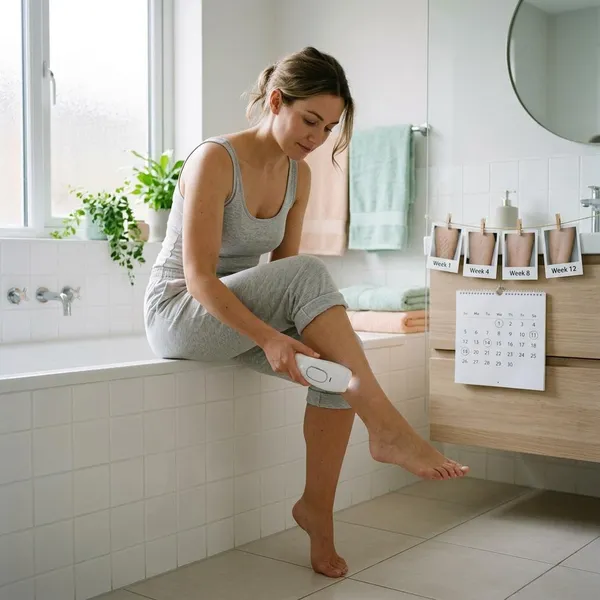
- Track the first phase: put sessions on your calendar so you do not drift into random use.
- Switch to maintenance only after progress: do not stop completely as soon as the area looks smoother.
How Long Does It Take for At Home IPL to Work?
Home IPL is slow by design. You may notice small changes early, but clear reduction usually takes repeated sessions because only some hairs are in the right growth stage each time you treat the area.
It helps to judge progress by regrowth speed, density, and texture instead of expecting bare skin after a few flashes. If shaving feels easier and the hair comes back softer or patchier, the device may be working even before the result looks dramatic.
Early changes after the first few sessions
The first signs are usually subtle: slower regrowth, softer stubble, or small patches where hair seems less dense. Fast-notice areas such as underarms may show changes sooner than large areas like legs, simply because you tend to notice regrowth there more often.
Visible hair reduction after consistent use
Many users need around 8 to 12 weeks of regular use before the difference feels obvious, although the exact timing depends on the device, body area, hair type, and schedule. Patchy regrowth is common and can be a good sign that some follicles are responding before others.
If you have hair growth affected by hormones, such as facial hair or growth linked to PCOS, progress may be slower and upkeep may be more demanding. In that situation, home IPL may still reduce grooming effort, but it should not be judged against the easiest leg-hair scenario.
Long-term maintenance after the initial treatment phase
Once the starting phase is finished, maintenance keeps the result from fading. Some people need touch-ups every few weeks, while others can wait longer; the safest guide is the device schedule plus what you actually see growing back.
| Stage | What you may notice | Best response |
|---|---|---|
| First few sessions | Little change or slightly slower regrowth | Keep following the schedule |
| Several weeks in | Patchier, finer, or less frequent regrowth | Continue until the initial phase is complete |
| After good reduction | Some hairs return over time | Use maintenance sessions instead of starting over |
At Home IPL vs Professional Laser Hair Removal
At-home IPL and professional laser hair removal both use light energy, but they are built for different priorities. Home IPL is made for convenience and safer self-use. Professional laser is usually stronger, more targeted, and handled by someone trained to adjust the treatment.
The better choice depends on your goal. Choose home IPL if privacy, budget, and gradual improvement matter most. Consider a clinic if you want faster reduction, have a more complex skin or hair situation, or do not want to manage the process yourself.
Differences in power and treatment precision
Professional laser systems typically use more focused energy than home IPL devices. That can make them more precise and efficient, especially when settings are adjusted for hair thickness, skin tone, and treatment area.
Home devices use lower power because they are designed for non-professional use. That safety trade-off is sensible, but it also explains why home IPL usually needs more patience and more maintenance.
Differences in speed and number of sessions
Professional treatments often show stronger results in fewer appointments, while home IPL usually needs a longer routine. The trade-off is that clinic sessions require booking, travel, and higher upfront or package costs.
Differences in cost convenience and maintenance
Home IPL usually costs less over time if the device suits you and you keep using it. Professional laser costs more, but part of that price pays for stronger equipment, supervision, and a treatment plan that can be adjusted as your skin and hair respond.
- Home IPL fits: privacy, flexible timing, smaller budgets, and gradual hair reduction.
- Professional laser fits: faster progress, stronger targeting, complex cases, and users who want guidance.
- Either option needs realism: long-term reduction is more realistic than a promise of never seeing hair again.
Is At Home IPL Worth Trying?
At-home IPL is worth trying if your hair and skin are suitable, your goal is less frequent grooming, and you can commit to the schedule. It is less worth it if your hair color is unlikely to respond, your skin tone is outside the device's range, or you want instant permanent removal.
Best for users wanting convenient hair reduction
Home IPL works especially well for people who want a manageable routine rather than a dramatic one-time fix. Someone preparing for summer may use it to reduce shaving before bare-leg weather, while someone who wants year-round smoothness should expect ongoing maintenance rather than a seasonal sprint.
Best for users who prefer home treatments
It is also a good match for people who value privacy or dislike clinic appointments. Treating a small area at home can be easier to keep up with than arranging repeated visits, as long as you are careful with settings and do not treat irritated, sunburned, or recently tanned skin.
Less suitable for users wanting instant permanent removal
Home IPL is not the best choice if you want immediate smoothness, guaranteed permanent removal, or results on hair colors that lack enough pigment. It is also not something to use casually on unsuitable skin tones or areas the device manual says to avoid.
If you are unsure because of a skin condition, medication, pregnancy, recent tanning, or unusual irritation after a patch test, pause and get professional advice before continuing. A cautious delay is better than trying to force a device to work in a situation it was not designed for.
Conclusion
Home IPL can be a smart buy when the match is right: dark hair, compatible skin, steady use, and realistic expectations. It is not the fastest or strongest route, but for reducing shaving effort at home, it can be genuinely useful. If your hair or skin falls outside the safe and effective range, save the money and look at professional options instead.