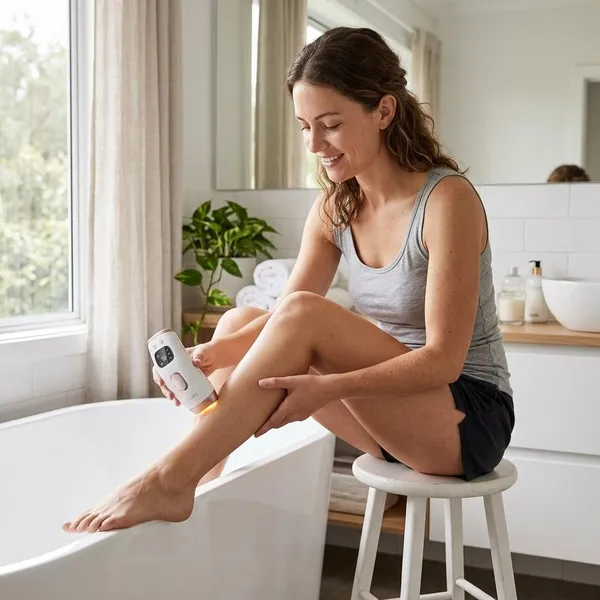
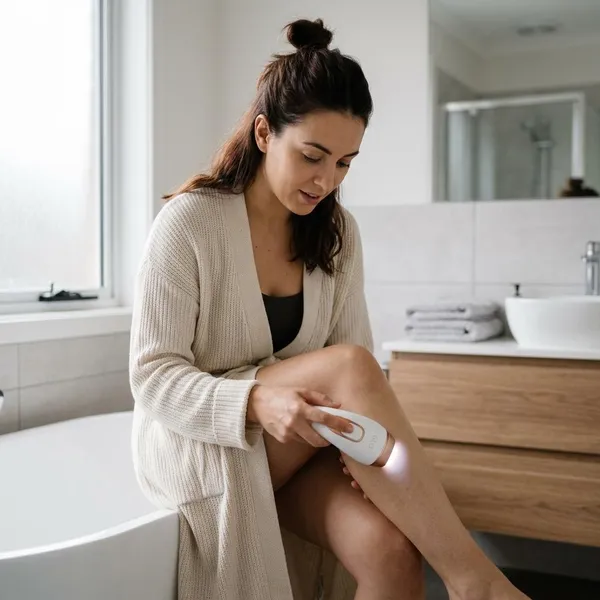
Most people start noticing IPL hair reduction after about 3 to 4 weeks, with clearer results usually building around 8 to 12 weeks if treatments are consistent. The first sign is usually not perfectly bare skin; it is slower regrowth, softer stubble, or patches where hair does not come back as strongly. If nothing changes after several weeks, the first things to check are your hair and skin suitability, your schedule, and whether you are using a safe but effective intensity.
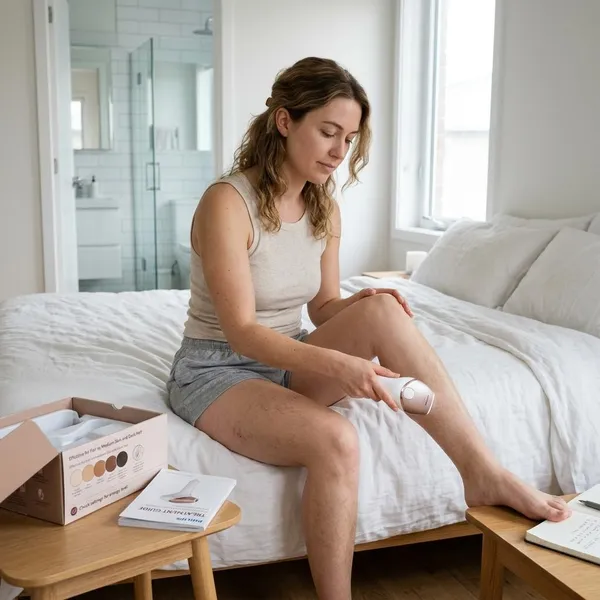
What affects how fast IPL works
IPL timing varies because the light needs pigment in the hair and repeated sessions to catch hairs during the right growth phase. Dark, coarse hair on compatible skin usually responds fastest. Fine, light, hormone-driven, or irregularly treated hair often takes longer and may need more maintenance.
| Factor to check first | What it usually means for your timeline |
|---|---|
| Dark hair with clear skin contrast | Often the fastest and most noticeable response |
| Very light, red, gray, or white hair | Often weak or unpredictable because there is less pigment to target |
| Underarms or bikini line | May show patchiness sooner because the hair is often coarse |
| Face, chin, or jawline | Can be slower, especially if hormones influence the growth |
| Skipped sessions or very low settings | Progress may look stalled even when the device is suitable |
Hair color and skin tone
Hair color and skin tone are usually the first things to check if IPL feels slow. IPL targets melanin, so dark brown or black hair tends to absorb light better than blonde, red, gray, or white hair. Skin tone matters too because the device needs to treat the hair safely without sending too much energy into the surrounding skin.
Treatment area
Some areas simply show progress sooner than others. Underarms and bikini lines often respond well because the hair is usually darker and thicker. Legs can also improve clearly, but the change may feel slower because the area is large and gradual thinning is harder to notice at first.
Facial hair deserves more patience and more caution. Upper lip, chin, and jawline hair can be influenced by hormones, so it may reduce in thickness without disappearing as quickly as body hair. If you are treating a few stubborn chin hairs, expect the timeline to be less predictable than treating coarse underarm hair.
Device power and settings
Professional IPL systems are often stronger than at-home devices, so clinic results may appear sooner. At-home IPL usually builds more gradually because the energy level is designed for safer personal use.
- Too low: the session may feel easy, but the follicle may not get enough energy.
- Too high: redness, discomfort, or irritation can make consistent treatment harder.
- Best choice: the highest comfortable setting allowed for your skin tone and hair color.
If your device has a skin sensor, treat it as a safety check rather than permission to ignore the manual.
Treatment consistency
IPL is not a one-session test. Hair grows in cycles, and only some hairs are in the best stage for treatment during each session. That is why a regular weekly or every-two-week starting schedule, depending on the device instructions, usually matters more than trying to do one very intense session.
Hormones and natural hair growth
Hormones can make IPL slower and more maintenance-heavy, especially on the face, lower stomach, and other areas where hair growth can reactivate. People with hormone-related growth patterns, including conditions such as PCOS, may still see finer or slower regrowth, but they often need a longer routine and more touch-ups.
How can you tell IPL is working
The best signs are practical ones: hair takes longer to return, regrowth feels softer, and shaving becomes less urgent. Do not judge only by whether every hair is gone. IPL often works unevenly at first because different follicles respond at different times.
For a fair check, compare the same area every two weeks under similar lighting. This is especially useful for legs, where a real reduction can be spread over a large area and feel less dramatic than a small patch of underarm hair that suddenly stops returning.

Hair grows back more slowly
Slower regrowth is often the first useful sign. If you used to feel stubble after one or two days and now the same area stays smooth for several more days, the follicles are likely being affected even if hair is still visible.
Regrowth becomes finer and patchier
Patchiness can look odd, but it is usually a good sign. It means some follicles are responding earlier than others. Coarse hair may also come back thinner or softer, which can make the area look less shadowed even before it is mostly smooth.
Do not "fix" those patches by waxing or plucking between sessions. Shave if you want the area tidy, because IPL still needs the root in place for the next treatment to be useful.
You need to shave less often
Needing to shave less often is one of the easiest real-life markers of progress. For someone treating underarms before summer, that might mean fewer rushed shaves and less irritation. For someone using IPL year-round on legs, it may mean shaving becomes an occasional touch-up instead of a constant routine.
How can you get better IPL results
Better IPL results usually come from doing the basics well rather than adding extra sessions. Shave first, follow the starting schedule, use a suitable intensity, avoid removing the root, and continue maintenance once the main reduction phase is over.
- Suitability: is your hair color and skin tone within the device's recommended range?
- Preparation: are you shaving instead of waxing or plucking?
- Schedule: are you treating regularly during the first 8 to 12 weeks?
- Intensity: are you using a safe setting that is not unnecessarily low?
- Area type: is the hair hormone-driven or very fine?
Shave before each treatment
Shaving helps the light focus below the skin instead of being wasted on hair sitting above the surface. It can also reduce the burnt-hair smell and sharp snapping feeling that happen when longer hairs absorb heat.
Most devices suggest shaving within about a day before treatment, but irritated skin needs a pause. If you nicked yourself or the area feels raw, wait until it calms down rather than flashing over damaged skin.
Follow the recommended schedule
The starting schedule is where many results are won or lost. Weekly or every-two-week use is common for at-home devices, but the right rhythm depends on the model. Treating randomly makes it much harder to catch hairs in the active growth phase.
More often is not automatically better. If the manual says to wait, waiting gives your skin time to recover and keeps the routine sustainable.
Use the recommended intensity
Use the strongest level that is allowed for your skin tone and still comfortable enough to repeat. A setting that makes you dread the next session is not practical, but a very low setting may stretch the timeline unnecessarily.
Avoid waxing or plucking between sessions
Waxing, plucking, and epilating remove the root that IPL needs to target. This is one of the easiest ways to accidentally slow your own progress. Shaving is the better in-between option because it keeps the surface smooth while leaving the follicle available for treatment.
Keep up with maintenance treatments
IPL is best thought of as long-term reduction, not a promise that no hair will ever return. After the initial phase, many people need occasional touch-ups every few weeks or months, depending on the area and their growth pattern.
Maintenance is especially useful for long-term routines, such as keeping legs smoother through the year or managing hormone-influenced facial hair. If you only care about a short summer window, you may still want to start well before you need the result, because IPL does not work instantly.

Conclusion
IPL usually starts showing small changes after a few weeks, but the result worth judging normally takes a consistent 8 to 12 weeks. If your hair is suitable for IPL and you are treating on schedule, slower, finer, patchier regrowth is a good sign to keep going; if nothing changes at all, check suitability, settings, and hair-removal habits before blaming the device.