
IPL hair removal works by using flashes of light to heat pigment inside the hair, which can weaken the follicle's ability to produce strong regrowth. The first thing to check is whether your hair has enough contrast against your skin for the light to target it safely and effectively. Darker hair on lighter skin usually responds best, while very light, gray, red, or white hair is often much harder to treat.
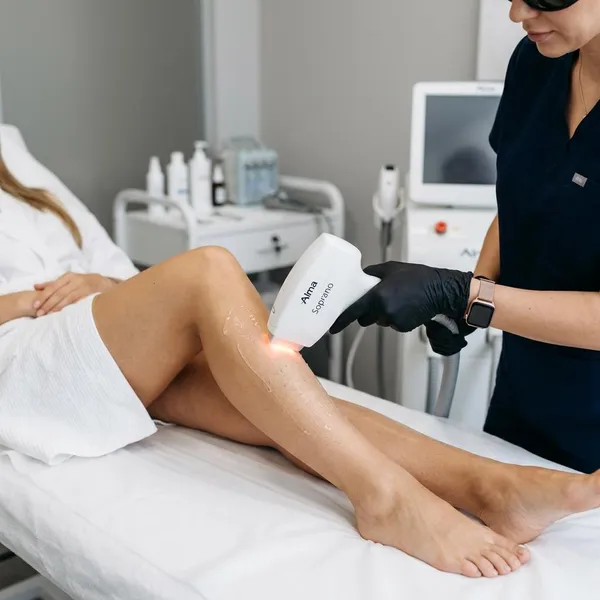
It helps to think of IPL as a gradual hair-reduction routine, not a one-time way to make every hair disappear. Shaving before treatment, using the correct intensity, and sticking to the recommended schedule matter more than trying to use the strongest setting or treating too often.
How Does IPL Hair Removal Work?
IPL stands for Intense Pulsed Light. Unlike shaving, which cuts hair at the surface, IPL aims below the surface where the pigmented hair and follicle sit. The goal is to make regrowth slower, finer, and less dense over time.
Light targets pigment in the hair
The flash from an IPL device is attracted to melanin, the pigment that gives hair its color. This is why darker hair is usually easier to treat: it gives the light a clearer target. Hair that is blonde, gray, white, or very red may not absorb enough light for strong results.
Shaving first is important because it leaves the hair root under the skin while removing surface hair. Waxing or plucking before IPL is a common mistake because it removes the root IPL needs to target.
Pigment absorbs the light energy
Once the light reaches the pigmented hair, the melanin absorbs that energy and turns it into heat. A simple way to picture it is dark fabric warming faster in the sun than pale fabric. The better the hair absorbs the light, the more useful heat can be created.
Skin tone matters because skin also contains melanin. If the surrounding skin absorbs too much energy, the treatment can become less precise and more irritating. For at-home devices, the safer move is to start with the manufacturer's skin-tone guidance and patch-test approach instead of guessing based on comfort alone.
Heat reaches the hair follicle
The useful part happens when heat travels down the hair toward the follicle, the structure that helps produce new hair. IPL does not simply "burn hair away" from the surface; it tries to disturb the follicle so future growth becomes weaker.
- Good candidate: dark body hair with a clear contrast against the skin.
- Less predictable: facial hair affected by hormones or mixed hair colors in one area.
- Not ideal: very light hair with little pigment for the light to absorb.
Follicle activity slows with repeated treatments
A single flash does not switch off every follicle. With repeated sessions, more follicles are exposed to heat at useful moments, and their activity can gradually slow. That is why the first visible win is often needing to shave less often rather than seeing perfectly bare skin.
If you are treating legs before summer clothing season, the routine may feel worthwhile even when the result is not "finished" yet, because softer, slower regrowth can already reduce daily shaving. For someone treating a small underarm area year-round, consistency may matter more than speed because missed patches are easier to notice.
Why Does IPL Need Multiple Sessions?
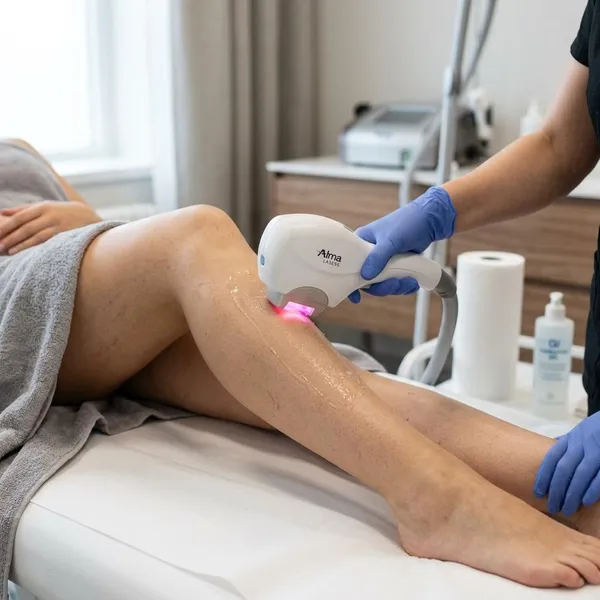
IPL needs multiple sessions because hair does not grow in one synchronized pattern. Some hairs are in the right stage for treatment today, while others are resting, shedding, or not strongly connected to the follicle. Seeing hair after the first few sessions is normal and does not automatically mean the device failed.
Hair grows in different cycles
Body hair moves through growth, transition, and resting phases. Hairs on the same area of skin can be in different phases at the same time, which is why IPL results often look patchy at first.
IPL works best during active growth
IPL is most useful when the hair is in active growth because the hair and follicle are more directly connected. That connection gives heat a better path to reach the follicle.
Only some hairs are active at once
Only a portion of hairs are in active growth at any given time, and the pattern can vary by body area. Underarms or bikini lines may show changes sooner for some people, while legs can feel slower simply because the area is larger and easier to miss in small strips.
Hormonal areas, especially parts of the face, can be more stubborn. If facial hair is new, rapidly changing, or unusually dense, it is sensible to be more cautious and consider whether a medical or hormonal factor could be involved before relying only on IPL.
Repeat sessions target newly active hairs
Each repeat session gives you another chance to catch hairs that were not in the active phase last time. Follow the timing allowed by your device rather than trying to rush the process; using IPL too often or too intensely can raise irritation risk without making every follicle respond faster.
- Stay consistent: missed sessions can slow visible progress.
- Do not overtreat: more flashes than recommended is not a shortcut.
- Track the area: work in small sections so you do not leave untreated gaps.
What Results Can You Expect From IPL?
Expect gradual reduction, not instant hairlessness. The most realistic early signs are slower regrowth, softer stubble, and fewer hairs appearing between shaves. Results depend on hair color, skin tone, body area, device strength, and how closely you follow the schedule.
Hair starts growing back more slowly
Slower regrowth is often the first change people notice. If you normally shave your legs every couple of days, a useful early result might be simply getting longer between shaves. That may not sound dramatic, but it is often the point where the routine starts to feel worth continuing.
Regrowth can become finer and lighter
When follicles are weakened but not fully inactive, the hair that returns may feel thinner or softer. Stubble can feel less sharp, and the area may look smoother even when some hair is still present.
This is especially helpful for people who get irritation from frequent shaving. Fewer thick hairs pushing through the skin can make daily grooming feel easier, although IPL is not a guaranteed fix for every bump, ingrown hair, or skin reaction.
Hair density can decrease over time
With regular use, overall hair density can drop because more follicles are affected during active growth. The area may look less crowded with hair, and regrowth may appear in smaller, lighter patches instead of an even thick layer.
For a quick vacation timeline, IPL may not deliver the full reduction someone imagines if they start too late. For longer-term use, such as reducing underarm or leg maintenance over months, the slower build-up makes more sense.
Maintenance may help preserve results
Maintenance is often needed because some follicles can recover or become active again. After the starting phase, many users move to occasional touch-ups when regrowth becomes more noticeable, rather than keeping the same frequent schedule forever.
- Best expectation: less hair and easier upkeep.
- Unrealistic expectation: every hair gone permanently after one course.
- Smart check: compare shaving frequency and hair texture, not just bare-skin days.

Conclusion
IPL is worth considering when your hair and skin contrast makes targeting realistic, and when you are prepared for a routine rather than an instant result. Check suitability first, shave instead of waxing before sessions, use the device as directed, and measure progress by slower, finer, less dense regrowth. If your hair color, skin tone, medical situation, or treatment area falls outside the device guidance, it is better to pause than force the treatment.


