
If you are wondering does IPL hurt, the honest answer is: usually not much, but it should not feel like burning or sharp ongoing pain. Most people feel a quick warm snap with each flash, and the stronger spots are usually areas with coarse hair or more sensitive skin.
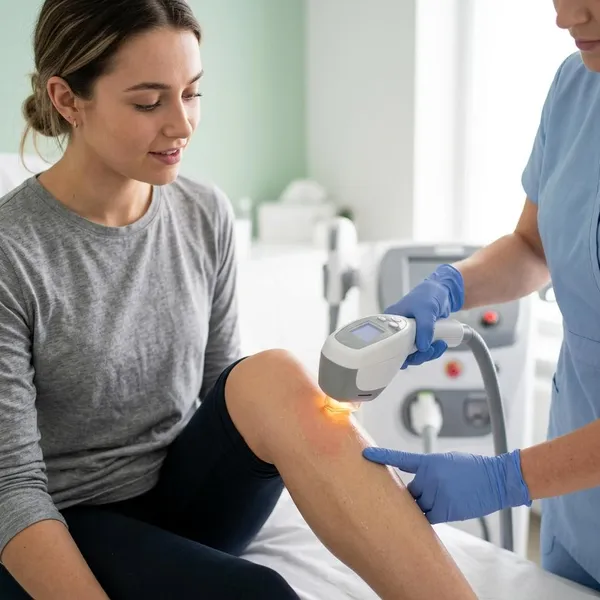
What Does IPL Hair Removal Feel Like?
IPL is usually more surprising than painful. The flash is fast, so the sensation comes and goes before you have much time to react. If you are using an at-home device, the feeling is often milder than a salon treatment because home devices are generally designed with lower energy levels.
A warm sensation on the skin
The warmth comes from light energy being absorbed around the hair follicle. On low-risk areas like the lower legs, this may feel like a small warm pulse rather than pain. On denser hair, the same flash can feel hotter because more pigment is absorbing the light.
A light rubber-band snap
Many people describe IPL as a tiny rubber-band flick against the skin. It is quick, slightly sharp, and then gone. The snap is usually more noticeable during the first session because you are waiting for it.
If every flash feels like a harsh sting, do not push through it. That usually means the intensity is too high for that area, the skin is irritated, or the device is not suitable for your skin or hair type.
Brief tingling after each flash
A little tingling or prickling after a flash can happen, especially on thinner skin such as the upper lip or underarms. It should fade quickly and should not turn into a lasting sting.
Mild warmth after treatment
After a session, the skin may feel lightly warm, a bit like post-shave sensitivity or mild sun warmth. That is usually manageable if it settles soon.
What Makes IPL Feel More Painful?
The biggest comfort factors are intensity, treatment area, hair type, and skin condition. If you only check one thing before starting, check whether your skin is calm and whether the setting is suitable for that body area.
Two people can use the same device and describe completely different pain levels. Someone treating lightly haired legs may barely notice it, while someone treating a coarse bikini line on a high setting may find it much sharper.
Higher intensity settings
Higher intensity usually means a stronger flash. That does not automatically make it the better choice, especially for a first session.
- First-time use: start lower and learn how your skin reacts.
- Long-term use: increase only if your device allows it and your skin stays calm.
- Sensitive areas: use a more cautious setting than you would on the legs.
More sensitive treatment areas
Areas with thinner skin or more nerve endings usually feel sharper. The upper lip, underarms, and bikini line often need more patience than legs or arms.
Coarser and darker hair
Coarse, dark hair often makes IPL feel stronger because the light targets pigment. This is why underarms and bikini areas can feel more intense at the beginning, when the hair is still dense.
Many users find later sessions easier as the hair becomes finer or grows back less densely. That does not mean you should force a painful setting early on; consistency matters more than turning every session into a test of tolerance.
Irritated or recently tanned skin
IPL is more likely to hurt when the skin is already stressed. Avoid using it on sunburned, freshly tanned, inflamed, broken, or freshly irritated skin.
This also applies to everyday situations: if you just shaved roughly, exercised heavily, used strong exfoliants, or took a hot shower and your skin feels reactive, wait. Calm skin is usually the difference between a tolerable snap and an unnecessarily painful session.
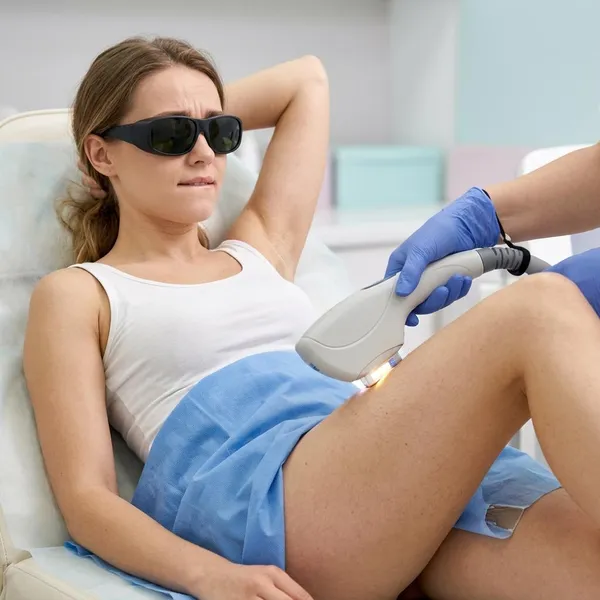
Which IPL Areas Hurt the Most?
IPL discomfort is not evenly spread across the body. The areas that tend to feel strongest usually combine sensitive skin with thicker, darker hair. Larger areas with less delicate skin often feel easier, even if they take longer to treat.
Bikini areas tend to feel stronger
The bikini area is often one of the more intense places to use IPL. The skin is sensitive, and the hair is usually coarse, so the flash can feel like a hotter snap than it does on the legs.
For this area, treat comfort as a safety signal. A small patch test, a lower starting level, and stopping when the skin feels too hot are better than trying to rush through a full session.
Underarms can feel more sensitive
Underarms can feel sharp because the area is small, curved, and often has thick hair. The good news is that the session is usually quick.
- Remove deodorant before treatment.
- Wait if shaving left bumps or razor burn.
- Keep the skin fully dry before flashing.
Legs usually feel milder
Legs are usually the easiest place to start. The sensation is often more like a warm flick than a painful snap, especially on the lower legs.
The trade-off is time. A leg session can feel easy but still be tiring because the area is large, so it helps to work slowly instead of rushing and missing spots.
Facial areas vary by device and location
Facial IPL depends heavily on the device and the exact area. The upper lip can feel quite sharp, while other facial zones may feel milder.
Only use IPL on facial areas your device specifically allows. Be especially cautious around delicate skin, and stop if the flash feels too hot or the skin reacts more than expected.
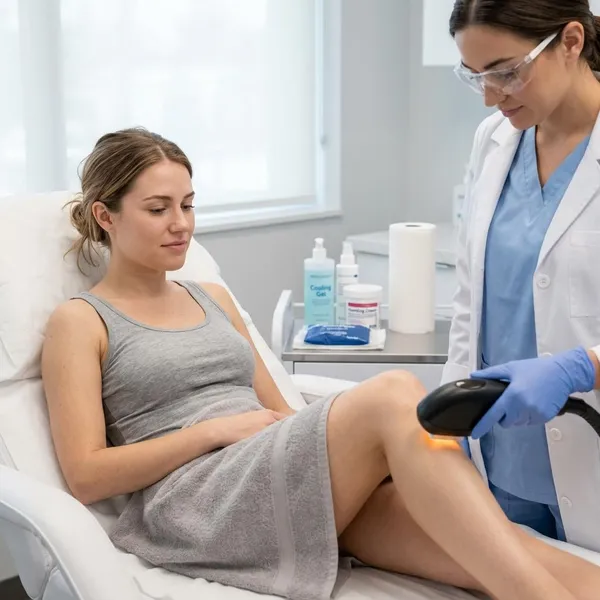
How to Make IPL Hair Removal Hurt Less
The easiest way to make IPL more comfortable is to control the basics before you flash: shaved skin, calm skin, clean skin, and a setting you can tolerate. Do not treat pain as proof that it is working. A manageable routine is more useful than one aggressive session you never want to repeat.
- Check skin first: skip the session if the area is sunburned, irritated, or freshly tanned.
- Start gently: use a lower level on new or sensitive areas.
- Watch the reaction: brief warmth is fine; burning or lasting discomfort is a stop sign.
Shave before treatment
Shaving helps because IPL needs access to the hair beneath the skin, not long hair sitting on the surface. Visible hair can heat up during the flash and make the treatment feel hotter than it needs to.
Do not wax or pluck before IPL, because the follicle needs to be present for the light to target it. If shaving gives you razor burn, wait until the skin settles before using the device.
Start with a comfortable intensity
A comfortable setting is not a weak choice; it is what helps you keep using the device regularly. If you are treating legs for the first time, you may be able to increase sooner. If you are treating bikini, underarms, or face, move more slowly.
Keep the skin clean and dry
Lotions, oils, deodorant, sweat, sunscreen, and fake tan can make treatment less predictable. Wash the area, dry it fully, and treat only when the device sits cleanly against the skin.
Use built-in cooling when available
Cooling can soften the hot snap, especially on areas that react quickly. If your device has a cooling mode or cooling contact surface, use it as instructed rather than treating it as an optional extra.
If your device does not have cooling, short pauses can still help. Give the skin a moment if repeated flashes start to feel hotter in one area.
Follow the device instructions
Device instructions matter because IPL is not suitable for every skin tone, hair color, body area, or schedule. The safest check is simple: confirm your skin and hair type are allowed, use the approved attachment, and follow the recommended treatment frequency.
Conclusion
IPL should feel manageable: a quick warm snap, not a burning or lingering pain. Start with calm, shaved skin and a sensible setting, then adjust based on the area you are treating rather than trying to use the highest level everywhere. If a session feels harsh, stopping and reassessing is the smarter choice.


