If you want bikini line permanent hair removal, the first thing to know is that "permanent" depends on the method. Laser usually gives long-term hair reduction, electrolysis treats individual follicles more permanently, and shaving or waxing only keeps the area smooth temporarily. The best choice depends on your hair color, skin tone, irritation history, budget, and how much maintenance you are willing to keep doing.
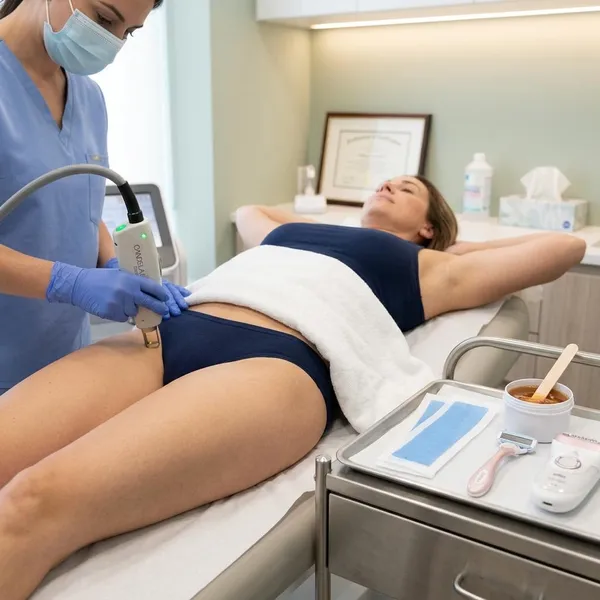
Bikini Line Hair Removal Options Explained
The main decision is whether you want quick grooming, long-term reduction, or the closest option to permanent follicle removal. A basic bikini line usually treats the hair that sits outside underwear or swimwear; an extended bikini or Brazilian covers more, so the time, cost, and sensitivity level can change.
| Method | Best for | Main limit |
|---|---|---|
| Laser | Reducing dark, coarse bikini hair over several sessions | Regrowth can happen, especially with hormonal changes |
| At-home IPL | Private, gradual maintenance for compatible hair and skin types | Usually slower and less powerful than clinic laser |
| Electrolysis | Treating individual hairs permanently, including lighter hairs | Slow for larger bikini areas |
| Shaving or waxing | Short-term smoothness without a treatment plan | Does not reduce future growth |
Who Is a Good Candidate for Bikini Laser Hair Removal?
A good candidate usually has hair with enough pigment for the laser to target and skin that can be treated safely with the right settings. The strongest results are often seen on darker, coarser hair, but the clinic's device and experience matter a lot, especially for deeper skin tones.
Skin tone and hair color considerations
Dark bikini hair usually responds best because the laser is attracted to pigment. Very light, gray, white, or many red hairs may respond poorly, so electrolysis may be more suitable if those hairs are your main concern.
For darker skin, the question is not simply whether laser is possible; it is whether the provider has the right technology and knows how to use it carefully. Ask what device they use for your skin tone, whether they perform patch tests, and how they reduce pigmentation risk.
Sensitive skin and irritation concerns
If shaving leaves you with razor burn or ingrown hairs, laser may reduce the cycle of repeated irritation by reducing the amount and thickness of regrowth. That said, the bikini area can still feel warm, red, or bumpy after treatment for a short time.
- Lower-risk situation: mild razor bumps, no active rash, and skin that calms quickly after grooming.
- More cautious situation: eczema flares, frequent infections, strong pigment marks, or skin that reacts badly to waxing.
If the second description sounds more like you, do not skip the consultation details. Treatment may still be possible, but timing, settings, and aftercare need more care.
Hormonal factors and unexpected hair growth
Hormones can change how long results last. PCOS, pregnancy-related changes, some medications, and other endocrine factors may trigger new growth even after a good laser series.
Mention sudden changes in thickness, pattern, or spread of hair before starting. Laser can reduce active follicles, but it cannot guarantee that your body will never activate new ones later.
How to Prepare for Your First Bikini Laser Session
Preparation is mostly about giving the laser a clear target while keeping the skin calm. The biggest mistakes are tanning beforehand, waxing too close to the appointment, or arriving with irritated skin from shaving too aggressively.
If you are planning treatment around summer, holidays, or swimwear season, start earlier than you think. Sun exposure and fresh tanning can delay sessions, and a full series takes time.
Shaving before treatment
Shaving is usually recommended before a bikini laser session because it removes surface hair while leaving the follicle under the skin. Many clinics suggest shaving about 24 to 48 hours before treatment, but follow your provider's timing if they give different instructions.
Use a clean razor, avoid dry shaving, and do not chase a perfectly close shave if your skin gets irritated easily. Small cuts or razor burn can be enough reason for a provider to postpone or adjust treatment.
Avoiding tanning and skin irritation
Avoid tanning beds, sunbathing, and self-tanner before treatment. Extra pigment at the skin surface can make the area more reactive and may increase the chance of burns or discoloration.
- Pause harsh products: scrubs, strong acids, retinoids, or anything that stings the bikini area.
- Delay if needed: do not treat over active irritation, sunburn, open cuts, or a rash.
- Plan around trips: if the area will be exposed in swimwear, ask the clinic how much time to leave before and after sun exposure.
What to discuss during your consultation
Your consultation should make the plan specific to your skin, hair, and grooming goal. Ask which device will be used, whether your hair color is likely to respond, how many sessions are realistic, and what maintenance might look like after the first series.
Also mention medications, recent tanning, pigment changes, scarring history, pregnancy, hormonal conditions, and any past reaction to waxing or laser. Those details can change whether treatment should go ahead that day or be adjusted.
What Happens During a Bikini Laser Hair Removal Session?
A bikini laser appointment is usually short. The provider confirms the treatment area, checks the skin, gives you protective eyewear, and works across the bikini line with controlled pulses.
The most important thing during the session is communication. If the heat feels sharp, uneven, or more painful than expected, say so early rather than trying to tolerate it silently.
Treatment steps and expected session time
A basic bikini line may take around 15 to 20 minutes once you are ready, while extended bikini or Brazilian treatments can take longer. The provider may mark the area, adjust settings, treat section by section, and finish with cooling or a soothing product.
How discomfort usually feels
Most people describe the feeling as a hot snap, quick sting, or rubber-band flick. Coarser areas can feel stronger in the first few sessions, then become easier as the hair gets finer.
If you find waxing unbearable, laser may still be manageable because the pulses are quick and the appointment is usually shorter than a waxing session. Pain tolerance varies, so it is reasonable to ask about cooling or breaks before treatment starts.
Cooling and comfort methods used during treatment
Clinics may use built-in cooling tips, cold air, cooling gel, or cool compresses. These methods help protect the skin surface and make the bikini area easier to tolerate.
- Before the appointment: ask whether numbing cream is allowed or recommended.
- During treatment: speak up if one area feels unusually hot.
- After treatment: wear loose underwear and avoid trapping heat against the skin.
Bikini Laser Hair Removal Aftercare and Safety
Aftercare should be simple: keep the area cool, clean, and low-friction. The bikini line sits under clothing, so heat and rubbing are the main things that turn mild redness into longer irritation.
Do not overdo skincare after treatment. A gentle, provider-approved soothing product is usually better than layering acids, fragrance, oils, or exfoliants on already reactive skin.
What skin reactions are normal after treatment
Mild redness, warmth, tingling, and small bumps around follicles can be normal after a session. Treated hairs may also look like they are still growing before they shed gradually, so do not pull at them.
Contact the clinic if you notice blistering, worsening pain, signs of infection, or unexpected dark or light patches. Those reactions are not the usual "wait and see" irritation.
Products and activities to avoid temporarily
For the first day or two, avoid hot tubs, saunas, very hot showers, intense workouts, fragranced lotions, harsh exfoliants, and tight clothing that rubs the bikini line. Shaving is usually allowed between sessions once the skin has calmed, but waxing, tweezing, and plucking should stay off the list because they remove the follicle the laser needs to target.
Reducing irritation and pigmentation risks
The best way to reduce risk is to combine good timing with a careful provider. Do not treat recently tanned, inflamed, or freshly irritated skin, and be extra cautious if you are prone to dark marks after bumps or shaving.

Conclusion
For most people, laser is the most practical route when the goal is less bikini-line maintenance rather than a promise that every hair is gone forever. Choose electrolysis if you need true follicle-by-follicle permanence or have hair laser cannot target well, and keep shaving or waxing for temporary grooming when commitment is not worth it. The smartest first step is not buying the cheapest package; it is checking your hair color, skin tone, irritation history, and the provider's experience before you start.