
The best home laser hair removal for Indian skin is not automatically the strongest device; it is the option that matches your actual skin tone first. For light brown to medium brown skin within the device's approved range, Ulike Air 10 is a strong home IPL pick, while deeper brown skin is usually safer with professional Nd:YAG treatment.
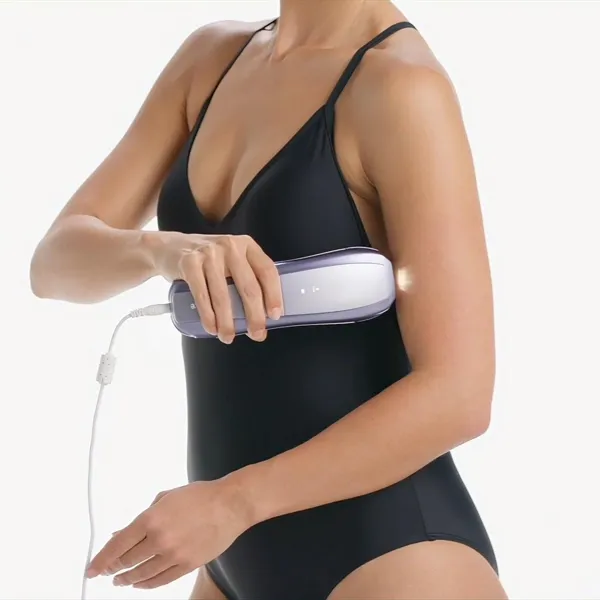
Best home laser hair removal options for Indian skin
Start with one check before comparing features: does your skin tone fall inside the device's official approved range for the exact area you want to treat? Indian skin can vary a lot between the forearm, legs, underarms, knees, and bikini line, so one "yes" for the body does not always mean every area is suitable.
Ulike Air 10 for the best overall IPL experience
Ulike Air 10 is the better home option for many Indian users whose skin tone is within its approved IPL range. Its main advantage is not just power; it combines skin sensing, cooling, coarse-hair support, and faster coverage, which are the features that matter most when treating brown skin at home.
- Best fit: light brown to medium brown skin with dark body hair.
- Most useful areas: legs, arms, underarms, and bikini line if each area passes the tone check.
- Less predictable use: very fine facial hair or areas that are noticeably darker than the rest of the body.
Professional Nd:YAG for deeper skin tones
For deeper Indian skin tones, professional Nd:YAG is usually the safer route. Its 1064nm wavelength is generally considered more suitable for melanin-rich skin than standard IPL because it is less focused on pigment near the skin surface.
This matters if you are Fitzpatrick V or VI, have a history of hyperpigmentation, or notice dark marks after minor irritation. In that situation, saving money with a home device can be a false economy if the device is not designed for your skin depth.
Why Ulike Air 10 is our top home IPL pick
Ulike Air 10 stands out because it addresses the problems that often make home IPL difficult for Indian skin: uneven tone across body areas, heat discomfort, coarse hair, and long sessions that people stop doing after a few weeks.
If you only want to treat your lower legs in winter and your skin is clearly within range, the decision is fairly simple. If you want to treat underarms, bikini line, and legs year-round, the cooling and skin-sensing features become more important because those areas can be darker, more sensitive, or recently exposed to sun.
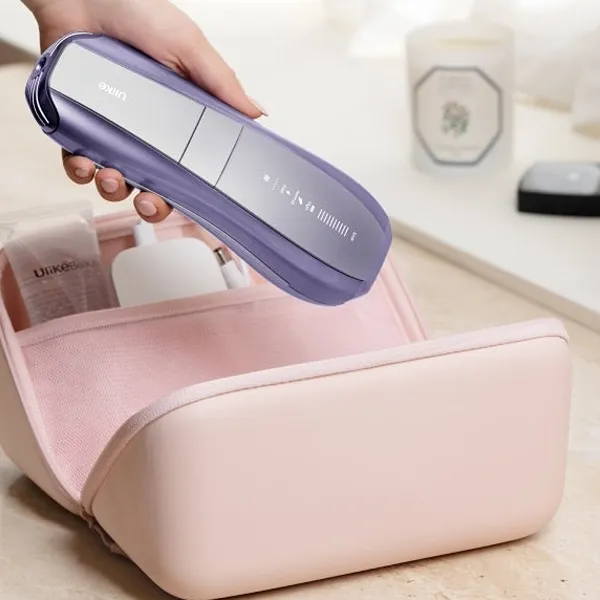
SkinSensor adjusts energy to your skin
SkinSensor helps reduce guesswork by checking the skin before treatment and adjusting how the device responds. That is useful on Indian skin because tone is often not uniform; underarms, knees, elbows, and bikini line may sit closer to the upper safety limit than the arms or legs.
It is still not permission to treat every shade. If the device does not approve an area or refuses to flash, treat that as a safety warning rather than a technical annoyance.
Sapphire cooling improves comfort
Sapphire cooling makes sessions feel less sharp and hot on the skin surface, which can help beginners stay consistent without rushing. It is especially helpful on areas with coarse hair, where flashes can feel more intense.
SHR mode targets coarse hair
SHR mode is useful if your main concern is thick, dark regrowth on the legs, underarms, or bikini line. Coarse black hair gives IPL a clearer target than pale, red, grey, or very fine hair, but results still depend on safe skin contrast and repeated sessions.
A realistic expectation is gradual reduction, not instant smooth skin after one use. If you are switching from waxing, wait for the hair to regrow, then shave the area before starting IPL. Avoid waxing, plucking, or threading during your IPL treatment course because these methods remove the pigmented hair root that IPL needs to target.
AutoGlide speeds up larger areas
AutoGlide matters most when you plan to treat larger areas such as both legs or arms. A faster routine is not just convenient; it makes you more likely to follow the schedule long enough to see a change.
Why skin tone matters for Indian skin
IPL works by targeting pigment in the hair, but melanin in the skin can also absorb light energy. The closer your skin tone is to your hair color, the narrower the safety margin becomes.
Indian skin ranges from light to deep
Indian skin can range from light brown to deep brown, and it can also change with sun exposure. Someone who can safely use IPL on their lower legs in winter may need to pause after a sunny holiday or avoid treating darker areas like the bikini line.
More melanin can absorb more IPL energy
More melanin means more light may be absorbed by the skin surface instead of mainly by the hair follicle. That can raise the risk of burns, lingering redness, blistering, or post-inflammatory hyperpigmentation.
If your skin marks easily after pimples, shaving irritation, or mosquito bites, be extra cautious. That does not automatically rule out IPL, but it makes patch testing and conservative settings more important.
Skin and hair contrast affects results
Dark coarse hair on lighter brown skin usually gives home IPL the best chance of working well. Dark coarse hair on deep brown skin is more complicated because the device has less room to target the hair without heating the skin.
- Good contrast: more likely to see visible reduction with consistent use.
- Low contrast: higher chance of limited results or irritation.
- Grey, blonde, or red hair: usually poor candidates for IPL because there is less pigment to target.
Device limits vary by skin tone
Every home IPL device has limits, even if it has smart sensors. Check the official skin tone chart in natural daylight, compare the specific treatment area, and do not use the device if that area falls outside the approved range.
How to use home IPL safely on Indian skin
Safe home IPL is mostly about restraint: treat only approved skin tones, keep the skin calm, and follow the schedule instead of chasing faster results. The first things to check are skin tone, recent sun exposure, irritation, and whether the area has been shaved rather than waxed.
If you are using IPL casually before a holiday, do not start on freshly tanned or sun-sensitive skin. If you are planning long-term hair reduction, consistency over several weeks matters more than using the highest setting on day one.
Shave before each session
Shave before IPL so the light is not wasted heating hair above the skin. Avoid waxing, plucking, or threading right before treatment because those methods remove the follicle target that IPL needs.
If shaving leaves your skin red or bumpy, shave the night before and treat only once the area looks calm.
Start with a patch test
Patch test each new area before a full session, especially underarms, bikini line, or any zone that is darker than your legs or arms. Use an approved low setting, then wait 24 to 48 hours and look for unusual redness, heat, swelling, or pigment change.
Use only approved intensity levels
Higher intensity is not automatically better on brown skin. Use only levels approved by the device for your skin tone, and lower the setting or stop if the flash feels painful rather than briefly warm.
- Acceptable: mild warmth or slight redness that settles quickly.
- Not acceptable: stinging pain, persistent heat, swelling, blistering, or new dark patches.
Avoid tanned or irritated skin
Do not use Ulike IPL on areas affected by eczema or other skin conditions listed in the device contraindications. If you have eczema or another known skin disorder, check the Ulike safety guidance and seek medical advice before using the device rather than assuming it is suitable between flare-ups.A tan adds surface pigment, and irritated skin is already more reactive, so both increase the chance of a bad response.
Do not resume Ulike IPL simply because the skin looks normal again. Ulike currently recommends waiting at least two weeks after tanning and at least one month after sunburn, and treatment should only resume once the skin has fully recovered and falls within the approved skin-tone range.This is especially important in summer or after travel, when skin may be darker even if it does not look obviously burned.
Follow the recommended schedule
Follow the device schedule rather than adding extra sessions. Most home IPL routines work gradually because hair grows in cycles, so over-treating the same area usually adds irritation without giving faster long-term reduction.
Keep a simple note of treatment dates, settings, and skin reactions for each body area. It is an easy way to avoid repeating a setting that worked on your legs but was too much for your underarms.
Conclusion
Choose the technology before choosing the brand: Ulike Air 10 makes sense for many light brown to medium brown Indian users within the approved IPL range, but deeper skin tones are usually better served by professional Nd:YAG. If your tone sits near the limit, if the area is darker than the rest of your body, or if your skin marks easily, take the cautious route instead of forcing a home device to fit.


